Why Families Want Educated but Jobless Brides
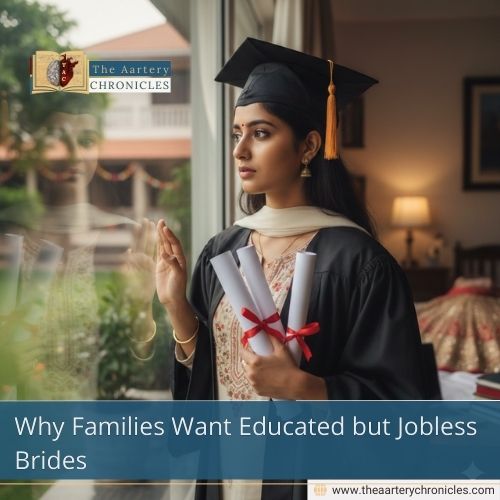
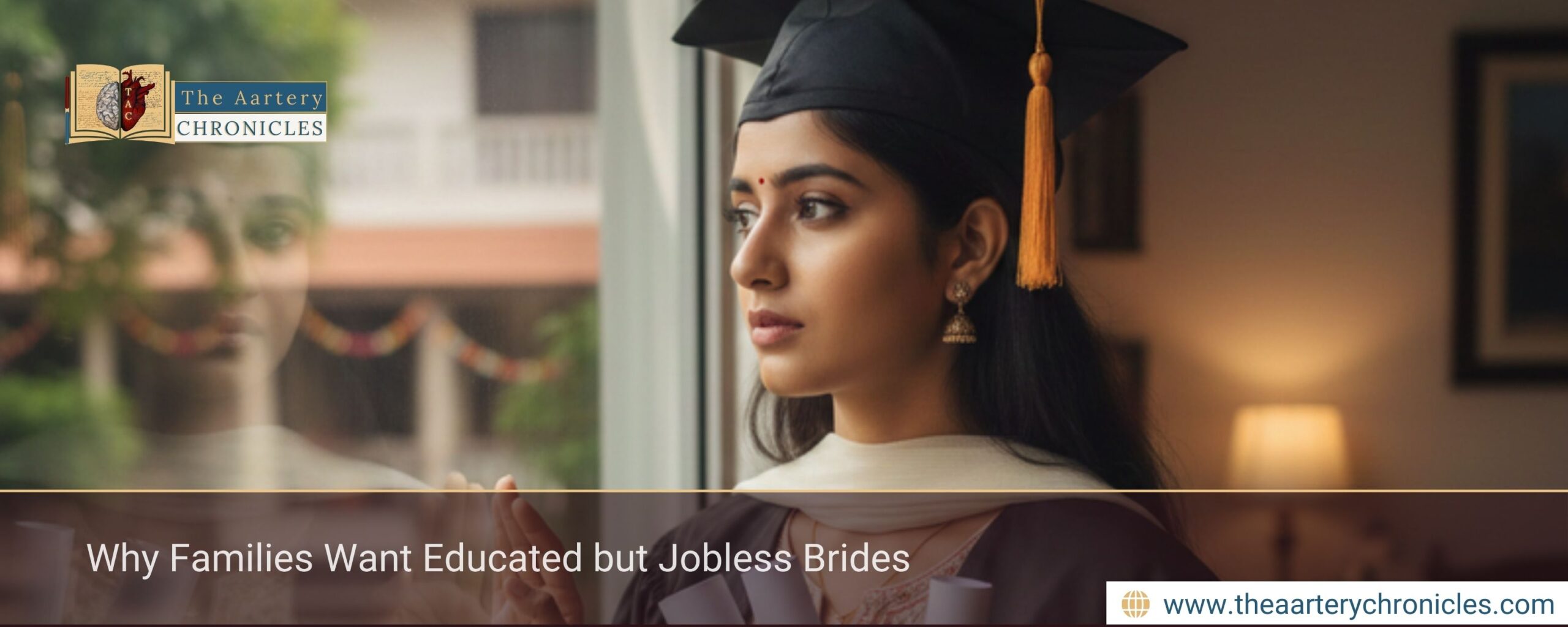
A recent viral post has brought fresh attention to a long-standing issue in India’s arranged marriage system. The story highlights how families often seek brides who are educated but not working, a preference that continues to shape many marriage discussions today.
The account came from a matchmaking firm in Delhi and described a conversation with the mother of a high-earning groom. The family wanted a tall woman, fair-skinned, polite, and educated at a reputed college. However, they also made it clear that she should stop working after marriage. This contrast has sparked wide public discussion because it reflects a pattern many professionals say they see regularly.
When education becomes a status symbol
In many urban households, education is no longer viewed only as preparation for a career. Instead, it often serves as a marker of family reputation and social comfort. Families ask for degrees, fluent English and exposure to elite colleges, yet expect the woman to remain at home.
This demand for an educated but not working bride shows how education sometimes adds social value without granting independence. Health experts note that this gap between learning and lived freedom can affect a woman’s emotional well-being and sense of identity.
Mental health concerns behind marriage expectations
Research in mental health shows that loss of autonomy and limited decision-making power can increase stress, anxiety and depressive symptoms in women. When families encourage academic success but restrict professional life later, many women experience frustration and reduced self-worth.
Doctors and psychologists often see these pressures surface as sleep problems, mood changes and chronic stress, especially after marriage. Social roles that conflict with personal goals can quietly harm mental health over time.
A double burden in modern urban families
Urban India has changed rapidly. More women now study medicine, engineering and other demanding fields. Dual-income households are common, and many couples support shared responsibilities. Even so, families involved in arranged marriages often hold on to older ideas.
Matchmaking professionals report frequent requests for women who appear modern on paper but remain traditional in daily life. This puts women in a difficult position. They invest years in education only to face limits later. The educated but not working expectation creates a double burden that affects confidence and long-term well-being.
Why this conversation matters for public health
Health is not limited to the absence of disease. Social roles, respect and autonomy play a major part in overall wellness. Sociologists and medical experts agree that societies in transition often adopt visible signs of progress faster than bigger changes in gender roles.
As public discussion grows, experts stress the need to view marriage expectations through a health lens as well. Supporting women’s choices after marriage can improve mental health outcomes and strengthen family relationships.
Conclusion
This viral story resonates because it reflects a reality many families quietly accept. Addressing the educated but not working mindset requires open conversations about partnership, respect and shared responsibility. Empowering women to use their education fully supports not only their careers but also their emotional and psychological health.
As India continues to evolve, aligning social expectations with personal well-being will remain an important public interest issue.
Source: Inputs from various media Sources

I’m a pharmacist with a strong background in health sciences. I hold a BSc from Delhi University and a pharmacy degree from PDM University. I write articles and daily health news while interviewing doctors to bring you the latest insights. In my free time, you’ll find me at the gym or lost in a sci-fi novel.
- Priya Bairagi
- Health News and Updates,People Forum
- 25 February 2026
- 19:00