Marriage and Mental Health: Why Women Are Opting Out
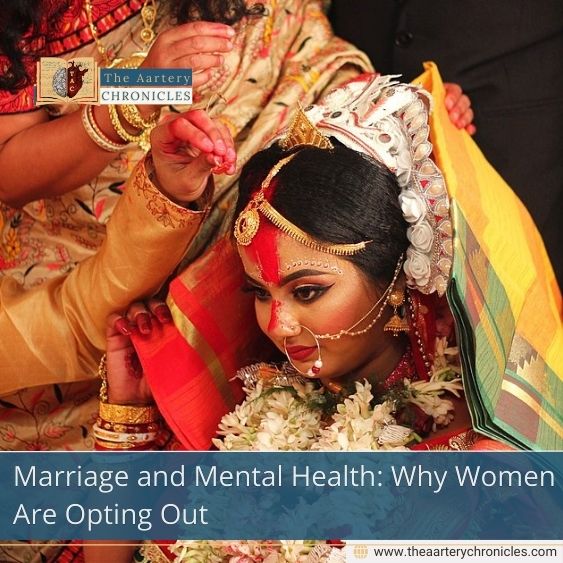
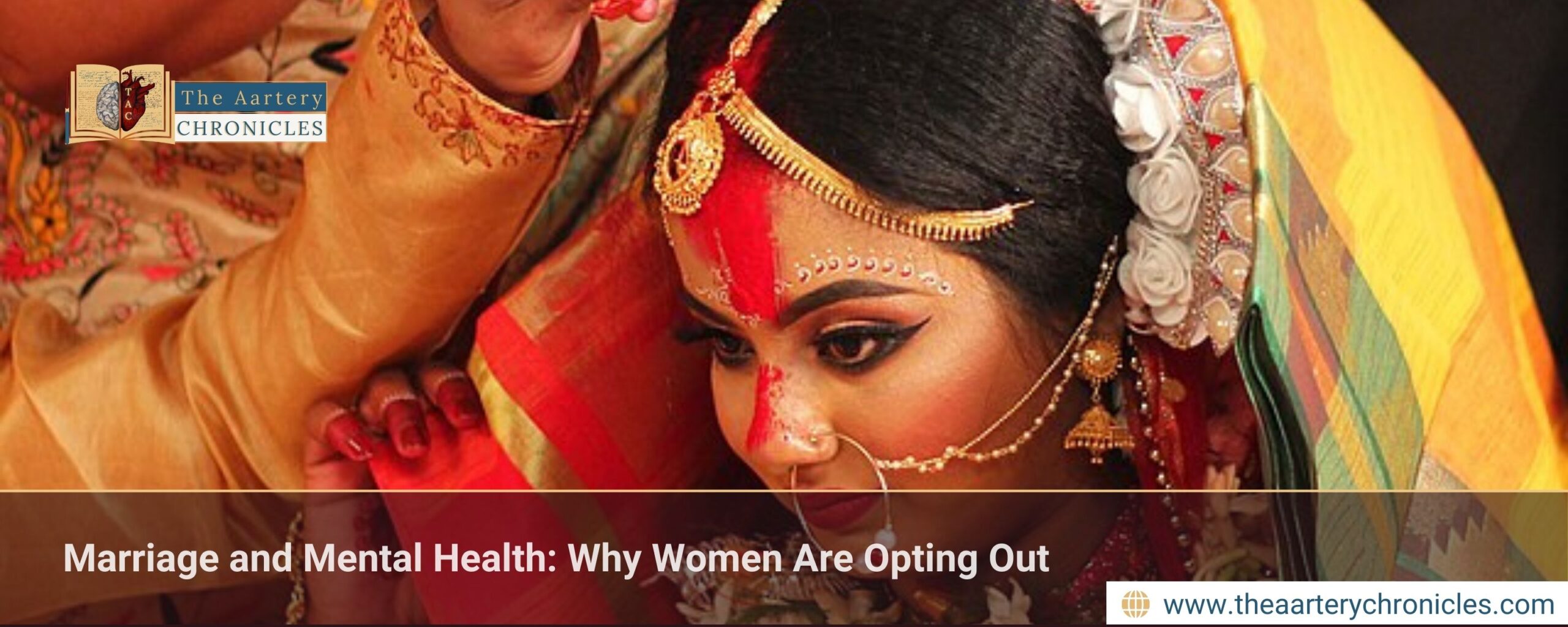
For generations, many Indian women grew up watching their grandmothers eat last, their mothers hide exhaustion behind brave smiles, and silence being praised as strength. Today, a growing number of women are choosing a different path, not out of anger, but awareness. Why marriage is not necessary for women anymore is no longer just a social debate; it is increasingly understood as a matter of mental health, emotional safety, and long-term wellbeing.
This shift reflects a deeper understanding that peace, autonomy, and dignity are essential for psychological health. Modern women are not rejecting relationships; they are rejecting systems that demand self-erasure.
Early Conditioning and Its Mental Health Impact
From a young age, many girls were taught to rely on protection rather than develop independence. Curiosity was often discouraged, while obedience was rewarded. Even education was frequently framed as preparation for marriage rather than personal growth.
Over time, this conditioning created emotional dependence. Ironically, women were later criticised for the very dependence they were taught. Such contradictions increase anxiety, low self-worth, and chronic stress. Choosing independence today is often a step toward emotional resilience, not rebellion.
The Hidden Burden of Emotional Labour
Women’s rights in India have always come through struggle, not generosity. Access to education, employment, and legal protection required courage and resistance. Despite progress, women remain underrepresented in the workforce and continue to face wage gaps, unsafe work environments, and social pressure tied to marital status.
Lack of autonomy is linked to poorer mental outcomes. Therefore, when women say they do not need marriage to feel complete, they are asserting a right to psychological safety and self-determination.
Autonomy Was Earned, Not Given
In many households, women manage not only daily tasks but also the emotional climate of the family. They remember appointments, resolve conflicts, and absorb stress often without recognition. This invisible labour contributes to burnout, depression, and emotional fatigue.
When women step back from these roles, they are frequently labelled selfish. In reality, setting boundaries is a recognised mental health strategy. Choosing not to carry disproportionate emotional responsibility is a form of self-care.
The “Good Woman” Ideal and Chronic Stress
Society has long praised women who tolerate discomfort quietly. Adjusting, enduring, and staying silent were framed as virtues. However, suppressing emotions is associated with higher risks of anxiety disorders and psychosomatic illness.
The modern shift away from this ideal supports healthier emotional expression. Women today are not asking to be seen as “good”; they are asking to be seen as human, with legitimate needs and limits.
How Patriarchal Norms Affect Men Too
Traditional gender roles have also limited men by discouraging emotional openness and empathy. When relationships are based on control rather than mutual respect, both partners suffer.
As women redefine relationships on equal terms, discomfort can arise. However, from a relational health perspective, equality improves communication, reduces conflict, and supports long-term wellbeing for everyone involved.
Choosing Peace Over Permission
Increasingly, women report that living alone or delaying marriage brings a sense of calm and control. Financial independence, rest, and freedom of choice contribute positively to mental health.
Solitude, when chosen, is not isolation. Research consistently shows that autonomy and reduced chronic stress improve sleep, mood, and overall quality of life. This explains why marriage is not necessary for women anymore, for many seeking emotional balance.
Love Without Equality Is a Health Risk
Healthy relationships support identity rather than erase it. When love demands silence, constant compromise, or loss of self, it becomes psychologically harmful.
Women are not rejecting love; they are rejecting inequality presented as affection. Relationships lacking respect increase the risk of depression, anxiety, and trauma-related symptoms.
Conclusion
Every woman who chooses herself today interrupts a cycle of endurance passed down through generations. This choice has a ripple effect, reducing inherited stress patterns and modelling healthier norms for future generations.
When a woman says she does not need marriage to feel whole, she is not rejecting people. She is rejecting centuries of enforced dependence. Her decision reflects recovery, not resistance and explains once again why marriage is not necessary for women anymore in the context of health, dignity, and self-respect.
From a health and well-being standpoint, autonomy, emotional safety, and equality are protective factors. Whether married or single, women thrive when their choices are respected and their identities preserved. This conversation is not about abandoning relationships; it is about building healthier ones, starting with the self.
Source: Inputs from various media Sources

I’m a pharmacist with a strong background in health sciences. I hold a BSc from Delhi University and a pharmacy degree from PDM University. I write articles and daily health news while interviewing doctors to bring you the latest insights. In my free time, you’ll find me at the gym or lost in a sci-fi novel.
- Priya Bairagi
- Health News and Updates,People Forum
- 13 January 2026
- 11:00