Can a Simple Paper Bag Reduce Panic Symptoms?
Panic attacks can feel sudden, intense, and overwhelming. People often describe a racing heart, tightness in the chest, dizziness, or a fear that something serious is wrong. An AIIMS-trained neurologist has explained how a simple paper bag may help reduce these symptoms during an anxiety episode. This technique, known as paper bag breathing for panic attacks, helps correct changes in breathing that occur during acute stress and may bring relief within minutes.
The explanation was shared by Dr Priyanka Sehrawat, general physician and neurologist with an MD in Medicine and DM in Neurology from AIIMS Delhi, through an Instagram post on February 1.
What happens during a panic attack
A panic attack occurs when the body’s fear response activates without any real danger. During this time, breathing becomes very fast and shallow. This rapid breathing causes the lungs to expel carbon dioxide faster than the body can produce it.
Carbon dioxide plays an important role in maintaining the normal chemical balance of the blood. When its levels fall too quickly, the balance shifts. This change can trigger physical symptoms that make the panic feel more intense.
People may experience palpitations, chest tightness, muscle stiffness in the shoulders or back, tingling sensations, and a feeling of restlessness or impending doom.
Why fast breathing worsens symptoms
When carbon dioxide levels drop, the pH of the blood rises. This change affects nerves and muscles, leading to sensations such as heaviness in the chest, pain around the chest or shoulders, and increased anxiety.
These symptoms often cause a person to breathe even faster, which further lowers carbon dioxide levels. As a result, the panic attack feeds on itself.
How paper bag breathing helps during panic attacks
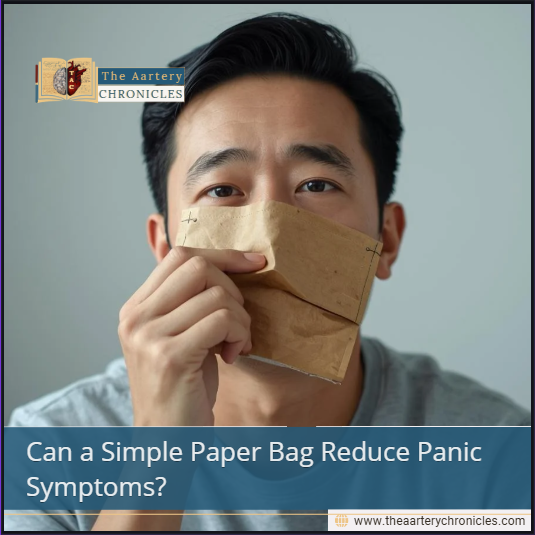
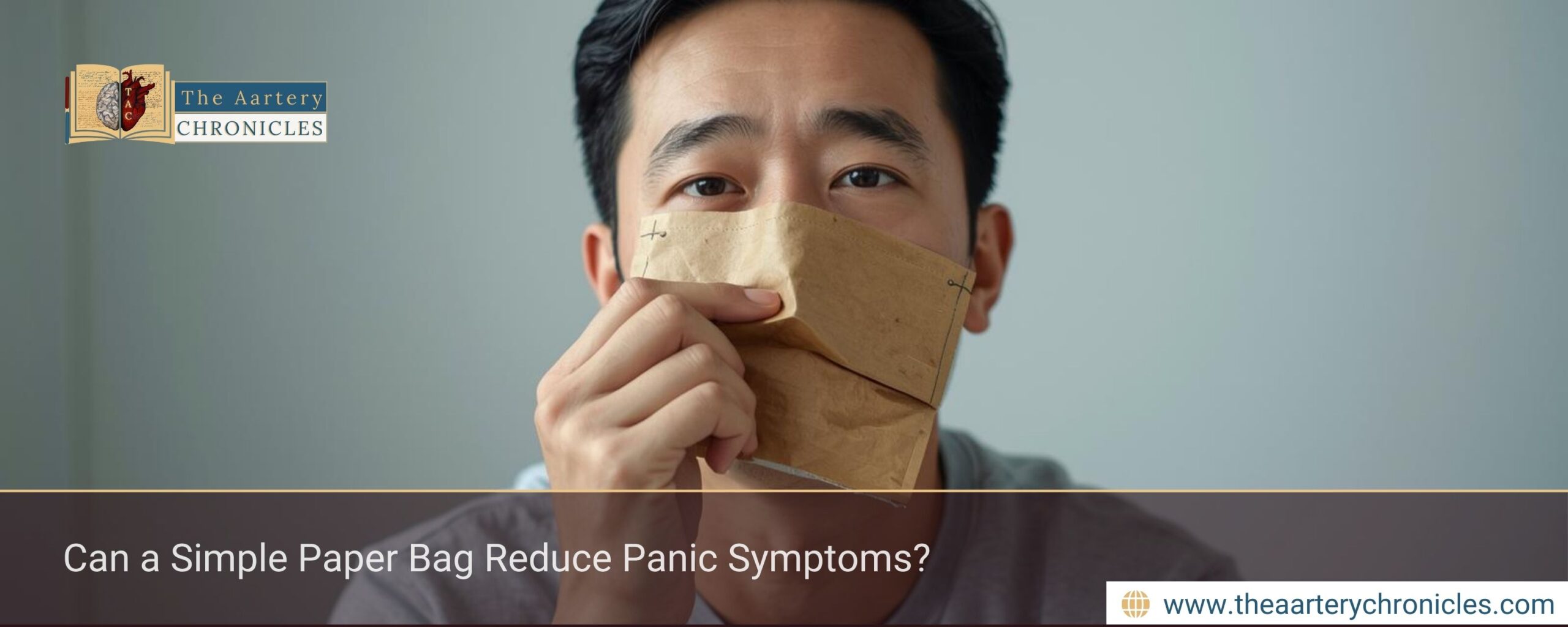
This is where paper bag breathing for panic attacks may help some people. Breathing into a paper bag allows a person to re-inhale a portion of the carbon dioxide they breathe out. This helps restore carbon dioxide levels closer to normal.
As carbon dioxide levels stabilise, the blood pH also begins to normalise. When this happens, the physical symptoms linked to panic often reduce gradually. Many people feel calmer within a few minutes.
How to use a paper bag correctly
For individuals who already know they suffer from anxiety or panic attacks, keeping a simple paper bag nearby can be helpful.
During an episode, the person should gently place the paper bag over the nose and mouth. The bag should be held so that air does not easily escape. They should then breathe slowly in and out for about six to ten breaths.
Slow, controlled breathing is essential. Rushing or forceful breathing reduces the benefit. When used properly, paper bag breathing for panic attacks can help ease symptoms in a short time.
Important safety points to remember
Paper bag breathing is not suitable for everyone. People with asthma, chronic lung disease, heart conditions, or unexplained chest pain should avoid this technique unless advised by a doctor.
If symptoms are severe, unusual, or do not improve, medical attention is necessary. This method offers temporary relief and does not replace professional treatment.
Conclusion
Frequent panic attacks require proper evaluation. Consulting a psychiatrist or psychologist can help identify triggers and develop a long-term management plan. Treatment may include therapy, lifestyle changes, stress management, and medication when needed.
In summary, a simple paper bag can sometimes help calm the body during a panic episode by correcting breathing patterns. However, ongoing anxiety should always be addressed with medical guidance for lasting relief.
Source: Inputs from various media Sources

I’m a pharmacist with a strong background in health sciences. I hold a BSc from Delhi University and a pharmacy degree from PDM University. I write articles and daily health news while interviewing doctors to bring you the latest insights. In my free time, you’ll find me at the gym or lost in a sci-fi novel.
- Priya Bairagi
- Health News and Updates,People Forum
- 5 February 2026
- 11:00