
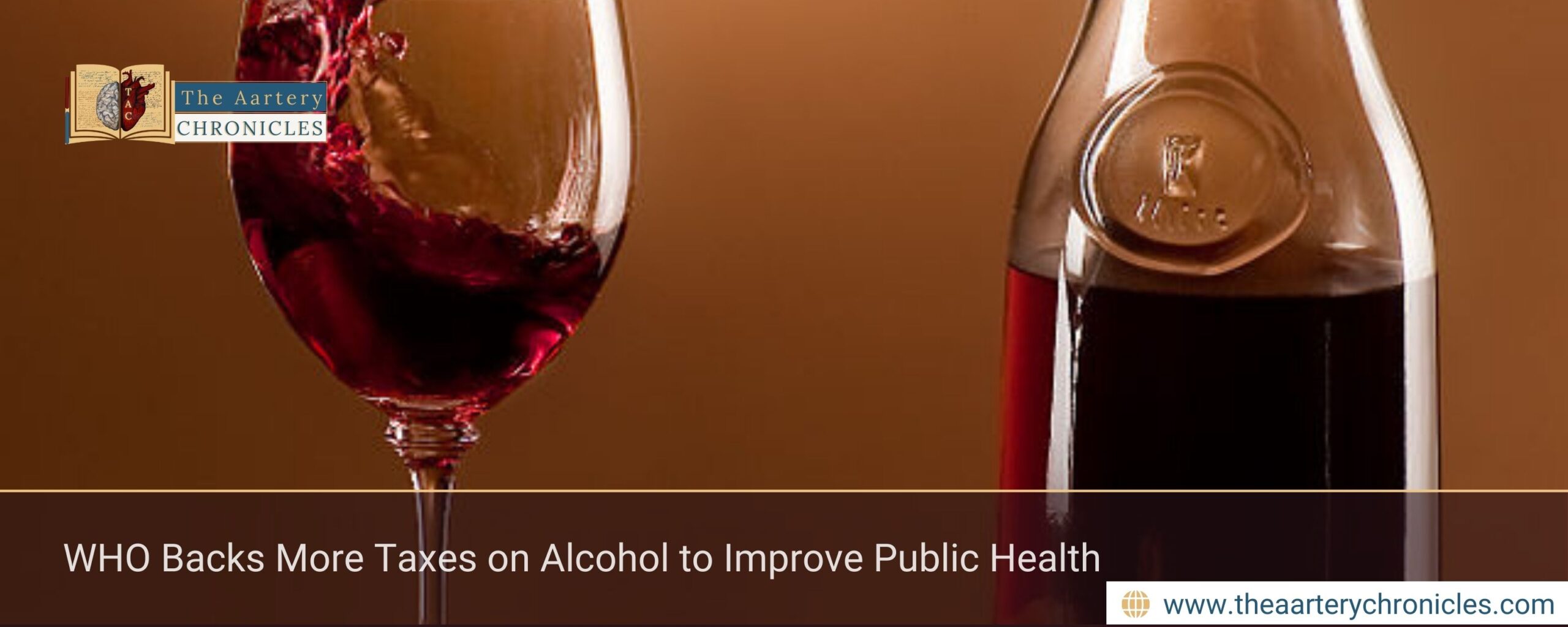
WHO Backs More Taxes on Alcohol to Improve Public Health
Summary: The WHO (World Health Organisation) has urged countries to increase taxes on sugary beverages and alcohol, in a bid to reduce their consumption and prevent non-communicable diseases.
The WHO has said that most countries have low taxes on sugary beverages and alcohol, which is leading to more consumption and the onset of diseases like obesity, diabetes, heart ailments and cancer.
The WHO also stated that these beverages generate more revenue but only a small part via health-driven taxes, whereby the burden of long-term health and economic costs falls on society at large.
The chief of the WHO, Tedros Adhanom Ghebreyesus, said that health taxes are the “strongest tools” to promote health and prevent diseases. He said that if governments raise taxes on sugary beverages, alcohol and tobacco, then these products will be consumed less and the revenue can be used to provide vital healthcare services.
The poorer countries often receive limited financial aid, and thus, this taxation method can make them self-reliant and have a better healthcare system to deal with non-communicable diseases.
The Chief also stated that implementation of health taxes cannot be easily implemented, as they may face opposition from powerful industries, which may lose out on revenue and consumers as a result. He also said that if properly implemented, then this can be a ‘powerful tool for health’.
WHO reports
Twin global reports issued by WHO state :
- At least 116 countries tax sugary beverages like colas, but other high-sugar beverages like 100% fruit juices, sweetened milk drinks, and ready-to-drink tea and coffee are not taxed.
- Beer is more affordable in 56 countries (as per data from 2022 to 2024) and least affordable in 37 countries.
- Wine is exempt from excise taxes in at least 25 countries, especially in Europe.
The WHO said that excise taxes should be levied on all alcoholic beverages, making them less available, thereby leading to less consumption of alcohol.
The Head of WHO’s health determinants, promotion and prevention department, Etienne Krug, said that more affordable alcohol leads to violence, injuries and disease. Though the industry may amass high revenue, the actual price is paid by society, in terms of money and health.
Source: Inputs from various media Sources

- Rupal Sonpal
- Health News and Updates,People Forum
- 23 January 2026
- 17:00