
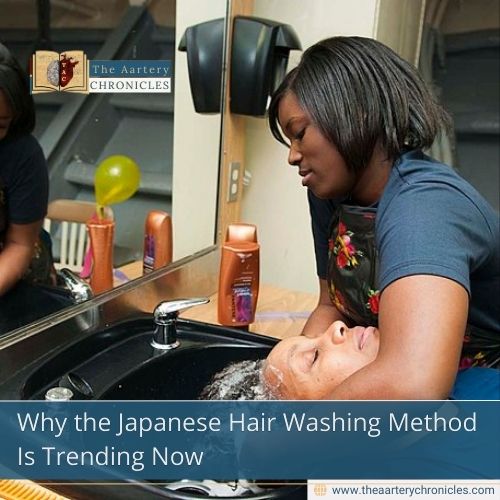
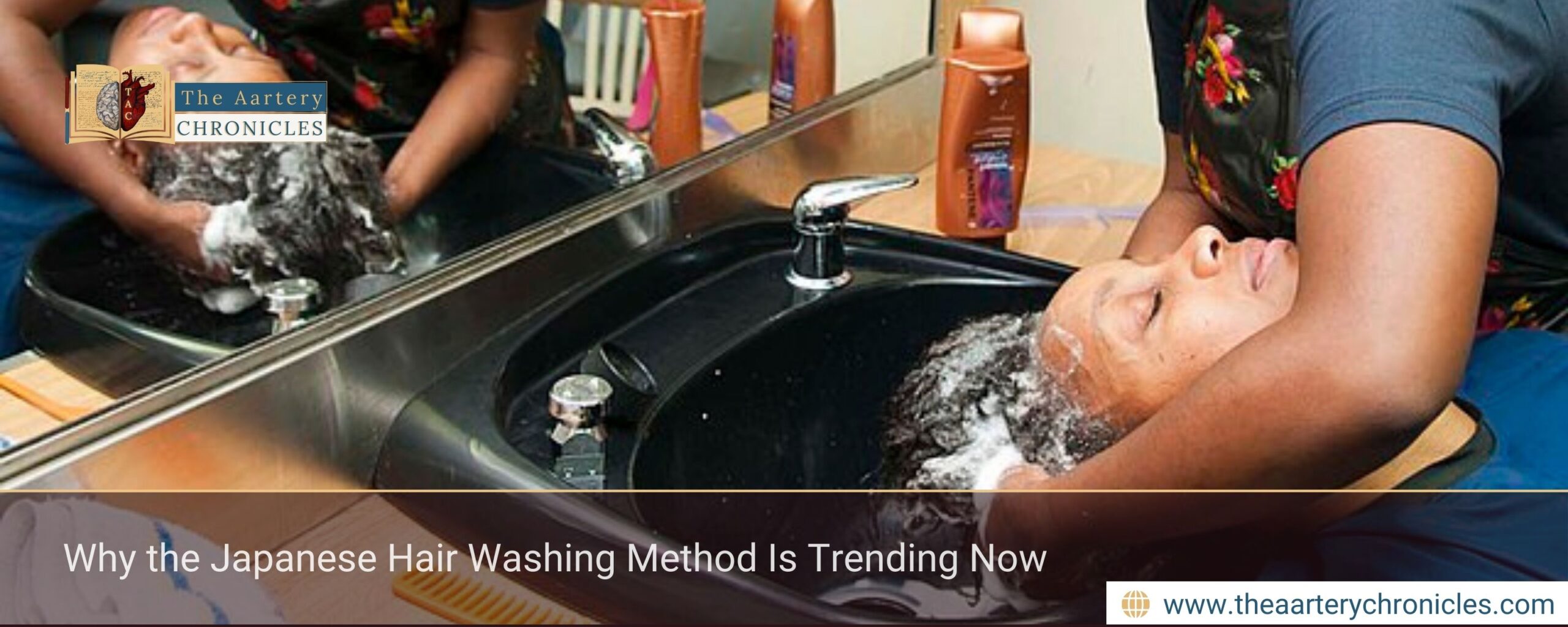
Why the Japanese Hair Washing Method Is Trending Now
The Japanese hair washing method is quickly gaining global attention for its gentle, scalp-first approach to hair care. Instead of relying on expensive products or complicated routines, this technique focuses on how you wash your hair rather than what you use. Rooted in mindfulness and scalp health, it turns a daily habit into a simple self-care ritual, one that many people say leads to healthier, shinier, and stronger hair over time.
In a world filled with fast beauty fixes, this method stands out for its simplicity, effectiveness, and long-term benefits.
What Makes the Japanese Hair Washing Method Different?
At its core, the Japanese hair washing method is about treating the scalp as living skin that needs care, not harsh scrubbing. Here’s how the process works in easy-to-follow steps:
1. Start with a Thorough Rinse: Before using shampoo, rinse your hair and scalp with lukewarm water for about one to two minutes. This step helps loosen dirt, sweat, and excess oil, preparing the scalp for gentle cleansing.
2. Lather Shampoo in Your Hands: Instead of applying shampoo directly to your head, take a small amount and lather it between your palms first. This ensures even distribution and reduces product overload on the scalp.
3. Massage the Scalp Gently: Using the soft pads of your fingers, not your nails, massage the scalp in slow, circular motions. This improves blood circulation and cleans the scalp without causing irritation or damage.
4. Let the Foam Clean the Hair Length: There is no need to scrub the hair strands. As you rinse, the foam naturally runs down the lengths, cleaning them gently. This helps prevent dryness, breakage, and frizz.
This method shifts the focus away from “squeaky clean” hair and toward maintaining a balanced, healthy scalp, which is essential for long-term hair health.
Why the Japanese Hair Washing Method Is Trending Online
- Simple and Accessible: You don’t need luxury shampoos or special tools. The method works with most regular hair care products, making it easy for anyone to try.
- Less Damage, Better Results: Because it avoids aggressive scrubbing and over-washing, the hair retains its natural oils. As a result, many users notice less frizz, fewer split ends, and improved hair texture.
- A Relaxing Self-Care Ritual: The slow massage and mindful washing process create a calming experience. For many, it feels less like a chore and more like a moment of daily relaxation. People who follow this routine often report reduced scalp dryness, less itching, less product buildup, and the need to wash their hair less frequently. A healthy scalp stays cleaner for longer.
Who Should Try This Method and Who Should Be Careful?
The Japanese hair washing method is suitable for most hair types. It is especially helpful if you have:
- A sensitive or dry scalp
- Damaged or brittle hair
- Frequent hair breakage
However, people with medical scalp conditions such as severe dandruff, psoriasis, or fungal infections should consult a dermatologist. While this method supports scalp health, it does not replace medical treatment when needed.
Conclusion
The Japanese hair washing method proves that effective hair care doesn’t have to be complicated. By focusing on gentle cleansing, mindful scalp massage, and minimal product use, this approach supports healthier hair from the roots up. Its viral popularity reflects a growing shift toward sustainable, skin-friendly, and stress-free beauty routines benefiting both the scalp and overall well-being.
Source: Inputs from various media Sources

I’m a pharmacist with a strong background in health sciences. I hold a BSc from Delhi University and a pharmacy degree from PDM University. I write articles and daily health news while interviewing doctors to bring you the latest insights. In my free time, you’ll find me at the gym or lost in a sci-fi novel.
- Priya Bairagi
- Health News and Updates,People Forum
- 1 January 2026
- 13:00