What Is Dextrocardia? Rare Heart Condition Explained
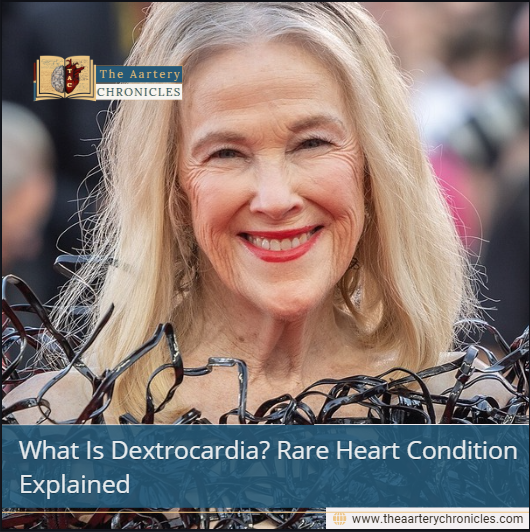
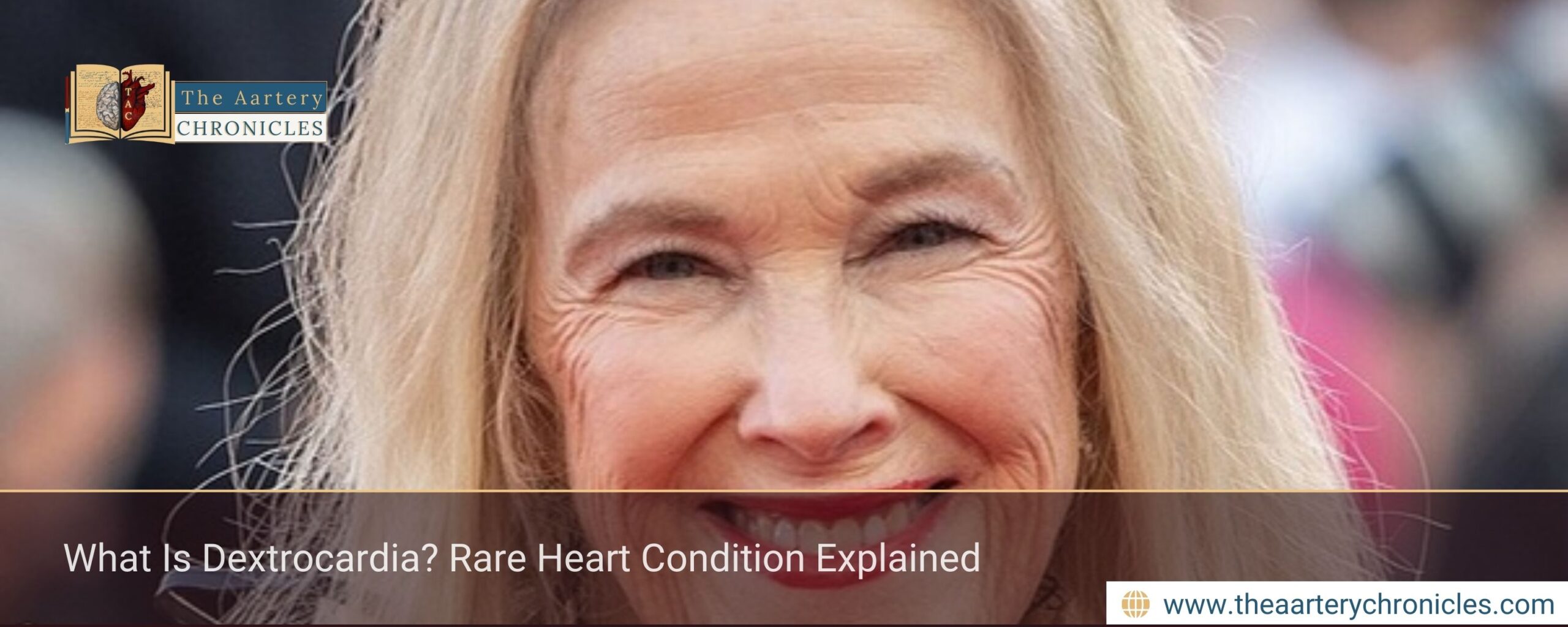
Hollywood actress Catherine O’Hara, 71, died in Los Angeles after a brief illness. According to media reports, a 911 call placed around 5 a.m. mentioned she was having trouble breathing. She was taken to a hospital in serious condition and later passed away. Although the exact cause of her death remains unclear, her story has brought attention to a rare heart condition known as dextrocardia, a condition she publicly acknowledged in past interviews.
What Is Dextrocardia?
Dextrocardia is an unusual condition present from birth in which the heart points toward the right side of the chest, instead of the left. In most people, the heart sits on the left side. In individuals with dextrocardia, the heart and often other internal organs form a mirror image of the typical arrangement.
This condition is rare. It happens in about 1 out of every 12,000 pregnancies. Many people with dextrocardia live normal lives and do not have symptoms. However, for some, the condition occurs with other heart abnormalities that can affect health and may need medical care.
Why Does Dextrocardia Happen?
Scientists believe dextrocardia develops early in pregnancy, when a complex set of genes guides how organs form and where they are positioned. More than 60 genes appear to influence this process. While researchers have not identified a single gene responsible, changes in several genes can alter how the heart and organs form.
In some cases, dextrocardia coexists with another genetic disorder called primary ciliary dyskinesia. This disorder affects tiny hair-like structures in the body and can also impact organ placement. People can carry gene changes linked to these conditions without having symptoms themselves
Dextrocardia Alone Isn’t Always a Problem
When dextrocardia exists by itself, it usually does not cause symptoms or require treatment. Many people do not even know they have it until they undergo imaging for another reason, such as an X-ray or CT scan.
That said, dextrocardia often appears with other heart defects that can affect how the heart works. It is these associated problems, not the position of the heart itself, that may lead to health issues.
Common Heart Defects Seen with Dextrocardia
People who have dextrocardia may also be born with other structural heart conditions. These include:
- A hole between the heart chambers
- Improper connections of the heart’s main arteries
- Narrowing of heart valves or vessels
- Other complex malformations that require monitoring or surgery
Because of these possible complications, doctors often recommend follow-up care when dextrocardia is identified.
Signs and Symptoms That May Appear
While dextrocardia alone usually causes no outward issues, symptoms may arise if other heart abnormalities are present. These can include:
- Feeling unusually tired
- Shortness of breath, especially with exertion
- Frequent lung or sinus infections
- A bluish tint to the skin
- Fast or irregular heartbeats
- Pale or yellow skin and eyes
- Repeated bouts of coughing
Some people may experience only mild symptoms, while others require ongoing medical support.
Conclusion
Dextrocardia is a rare but medically important condition that affects how the heart is positioned in the chest. On its own, it may not cause problems, but when it occurs with other heart defects, it can lead to symptoms and medical needs. The recent reported illness and passing of Catherine O’Hara have brought public focus to this condition and highlighted why early diagnosis and appropriate care are important.
Source: Inputs from various media Sources

I’m a pharmacist with a strong background in health sciences. I hold a BSc from Delhi University and a pharmacy degree from PDM University. I write articles and daily health news while interviewing doctors to bring you the latest insights. In my free time, you’ll find me at the gym or lost in a sci-fi novel.
- Priya Bairagi
- Health News and Updates,People Forum
- 5 February 2026
- 20:00