Viral Plastic-Wrapped Eating Trend Raises Health Fears
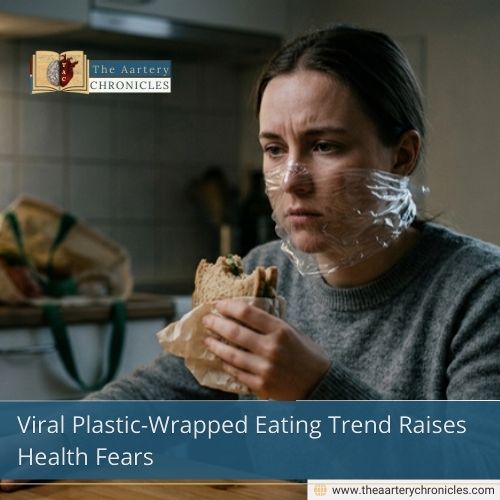
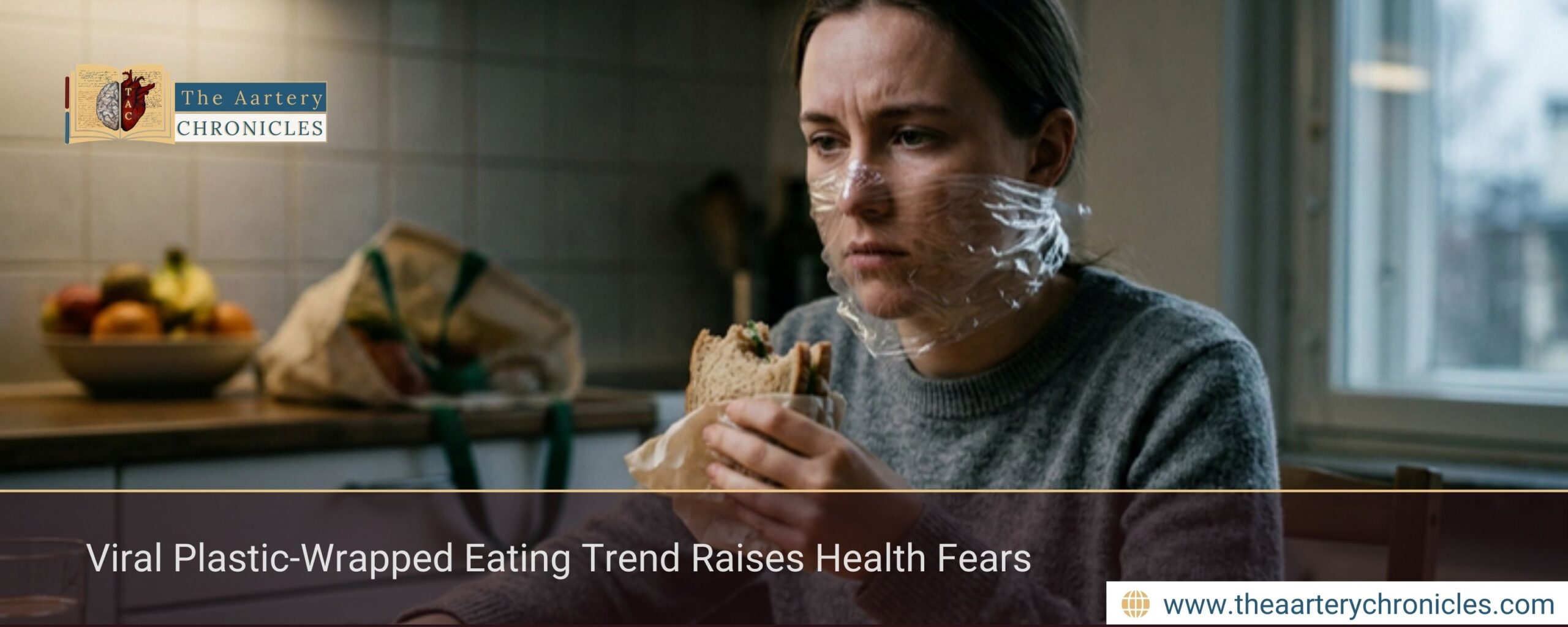
The plastic-wrapped eating trend has recently gone viral on Chinese social media, especially on TikTok. In this unusual practice, people tightly cover their mouths with cling film, place food inside, chew it without swallowing, and then spit it out. Supporters claim it helps them enjoy taste and feel full without consuming calories.
However, health experts say this method is unsafe. The plastic-wrapped eating trend may appear harmless, but it can affect both physical and mental health in serious ways.
What Is the Plastic-Wrapped Eating Trend?
In the plastic-wrapped eating trend, individuals stretch plastic wrap across their mouths before putting food inside. They chew intensely but do not swallow their food. Instead, they spit the food out after a few minutes.
The idea behind this practice is simple. Chewing sends signals to the brain that suggest fullness. As a result, some people believe they can avoid calorie intake while still enjoying food.
Yet, doctors explain that the body does not work that way. Chewing without swallowing still triggers digestive processes. Over time, this mismatch between the brain and the gut can create health problems.
Physical Health Risks of the Plastic-Wrapped Eating Trend
1. Risk of Microplastic Exposure :
When people chew on cling film, small plastic particles can break off. These tiny fragments, known as microplastics, may mix with saliva and food. Even if a person spits out the food, some particles can enter the throat or be inhaled.
Research has already raised concerns about microplastics in the body. Once inside, they may irritate tissues and contribute to inflammation. Over time, this irritation can affect the digestive tract and respiratory system. Some experts also worry about long-term accumulation in organs such as the liver and intestines.
2. Damage to Teeth and Gums :
Chewing forcefully against plastic creates friction. This can irritate the gums and lead to swelling, sores, or bleeding. In addition, plastic traps bacteria and saliva inside the mouth, which raises the risk of infection.
Hard foods combined with tight plastic pressure may also chip teeth or wear down enamel. Enamel damage can cause sensitivity and increase the risk of cavities.
Dentists advise that repeated trauma to oral tissues can have lasting effects.
3. Digestive Problems :
Even when food does not reach the stomach, chewing stimulates the release of stomach acid. The body prepares to digest a meal that never arrives.
Over time, excess acid can irritate the stomach lining. This may lead to acid reflux, gastritis, or even ulcers.
Furthermore, because the person does not swallow food, the body misses out on essential nutrients. Lack of vitamins and minerals can cause fatigue, brittle nails, hair thinning, and muscle weakness. Metabolism may slow down, and dehydration can also occur if normal eating patterns change.
4. Exposure to Harmful Chemicals :
Plastic wraps may contain chemicals such as phthalates and bisphenol compounds. When plastic stays in contact with saliva and warmth inside the mouth, small amounts of these substances can leach out.
These chemicals may interfere with hormones. Some studies link them to thyroid problems, insulin resistance, and reproductive health concerns. Women may experience irregular menstrual cycles, while men may notice changes in testosterone levels.
Mental Health Concerns Linked to the Plastic-Wrapped Eating Trend
1. Risk of Eating Disorders: Mental health professionals warn that the plastic-wrapped eating trend closely resembles chew-and-spit behaviour seen in eating disorders. This pattern often appears in conditions such as anorexia and bulimia.
At first, people may try it to control their weight. However, over time, it can create an unhealthy relationship with food. The brain begins to associate pleasure with taste alone while reinforcing the fear of calorie intake. This cycle can escalate into binge and purge patterns.
2. Anxiety and Low Mood: Many participants hide this behaviour from others. Fear of being judged or discovered can increase stress levels. Persistent stress may lead to anxiety or panic symptoms.
At the same time, poor nutrition affects brain function. Nutrient deficiencies can cause mood swings, low energy, and difficulty concentrating. When the promised feeling of fullness does not last, frustration and sadness often follow.
3. Social Pressure and Harmful Influence: Social media plays a strong role in spreading the plastic-wrapped eating trend. Influencers often promote it as a quick fix for weight loss.
Young people, especially teenagers, may feel pressure to copy these behaviours to fit beauty standards. This normalises extreme dieting instead of promoting balanced nutrition and healthy lifestyle habits.
Why Doctors Strongly Discourage This Practice
Weight loss requires a safe and structured plan. Doctors recommend balanced meals, regular physical activity, good sleep, and stress management. Quick fixes that disrupt normal body function rarely produce sustainable results.
The plastic-wrapped eating trend interferes with digestion, exposes the body to plastic particles, and increases the risk of disordered eating. For these reasons, healthcare professionals strongly advise against trying it.
Conclusion
If you want to lose weight, consult a qualified doctor or registered dietitian. They can design a plan based on your medical history and nutritional needs.
Healthy weight loss focuses on gradual change. It supports metabolism, protects mental health, and builds long-term habits.
Trends may come and go, but your health remains with you for life.
Source: Inputs from various media Sources

I’m a pharmacist with a strong background in health sciences. I hold a BSc from Delhi University and a pharmacy degree from PDM University. I write articles and daily health news while interviewing doctors to bring you the latest insights. In my free time, you’ll find me at the gym or lost in a sci-fi novel.
- Priya Bairagi
- Health News and Updates,People Forum
- 28 February 2026
- 11:00