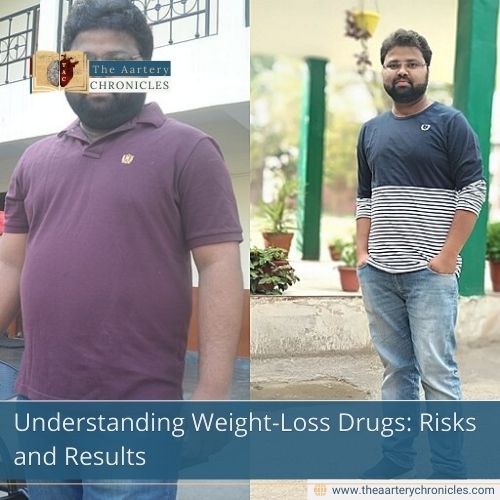

Understanding Weight-Loss Drugs: Risks and Results
Weight loss is a common goal for many people, but achieving it isn’t always easy, especially when diet and exercise alone don’t produce results. For some people, diet drugs can offer additional weight management support, but their use requires caution and a thorough understanding of the benefits and risks. This article explores what diet drugs are, how they work, and the most important considerations to keep in mind before using them.
What Are Weight Loss Drugs And How Do They Work?
Main Types :
Weight-loss drugs can be prescribed by a doctor and are intended for people who are obese or significantly overweight and unable to lose weight with traditional methods. There are several classes of weight-loss drugs:
- Appetite suppressants: These act on the central nervous system to reduce hunger and appetite.
- Fat absorption inhibitors: they reduce the absorption of fat from the diet, promoting a lower quantity of calories assimilated.
- Drugs that speed up metabolism: they increase the body’s energy expenditure, promoting greater calorie consumption even at rest.
Mechanism Of Action Of Drugs :
Weight-loss drugs generally interact with specific neurotransmitters or enzymes that regulate appetite and metabolism. For example, some drugs stimulate serotonin and norepinephrine receptors, two neurotransmitters associated with satiety. Others block the intestinal lipase enzyme, which is necessary for fat digestion, thus reducing the calories absorbed by the body. In any case, their effect is aimed at facilitating weight loss in combination with diet and exercise.
Who Can Benefit From Using Weight Loss Drugs?
- Eligibility Criteria: Weight-loss drugs are only recommended for people with a body mass index (BMI) greater than 30, or for those with a BMI between 27 and 29 who suffer from obesity-related conditions such as type 2 diabetes, hypertension, or sleep apnea. Specialists prescribe these drugs only after assessing the risks and benefits for the patient.
- When to Avoid Using Weight Loss Drugs: There are some conditions in which weight-loss drugs are not recommended, such as those with heart conditions, psychiatric illnesses, or hormonal imbalances. In some cases, the risks of using weight-loss drugs may outweigh the benefits, and it is preferable to focus on non-drug weight-loss strategies.
Effectiveness And Risks Of Weight Loss Drugs
1) Effectiveness Of Slimming Drugs :
Diet drugs can promote modest but significant weight loss. Clinical studies show that, on average, people who take diet drugs in combination with a diet program can lose 5% to 10% of their body weight in a year, compared to 2% to 4% for those who follow the diet alone. This weight loss is often sufficient to improve certain health parameters, such as blood sugar and blood pressure.
2) Common Side Effects And Risks :
Like any medication, weight loss drugs can have side effects, which vary depending on the type. Some common side effects include:
- Nervousness and insomnia: especially with stimulant drugs, which act on the nervous system.
- Gastrointestinal problems: Fat absorption inhibitors can cause diarrhea, abdominal cramps, and flatulence.
- Increased heart rate and blood pressure: typical effects of some appetite suppressants.
More serious side effects, though rare, include cardiovascular and psychiatric disorders. It is essential to consult a doctor if you experience any side effects and not to continue taking the medication beyond the recommended duration.
Natural Slimming Drugs And Supplements
- Difference Between Drugs and Supplements: There are numerous natural weight loss supplements, such as those based on green tea extract, Garcinia cambogia, and glucomannan. However, it’s important to note that, unlike approved weight loss drugs, these supplements are unregulated and generally lack sufficient scientific evidence to support their effectiveness.
- Effectiveness and Safety of Natural Supplements: Some natural supplements have shown promising effects in weight management, but the results are often minimal and not comparable to those of prescription medications. Furthermore, taking unregulated supplements can pose risks, especially when combined with other medications. It’s always advisable to consult a doctor before taking any weight-loss supplement.
How To Use Weight Loss Drugs Safely
- Consult A Health Professional: Weight-loss medications should only be used under the supervision of a doctor. Your doctor can recommend the most suitable medication and regularly monitor your progress and any side effects. Some medications require a prescription and are intended for short-term treatment; prolonged use may reduce their effectiveness and increase their risks.
- Combine Them With Diet and Exercise: It’s important to remember that weight-loss drugs aren’t a miracle solution. Their effectiveness depends closely on adopting a healthy lifestyle. A balanced diet and regular exercise program are essential to maximize and maintain long-term results.
- Monitor Progress And Re-Evaluate Periodically: The success of weight-loss drugs depends on individual response. Some patients may experience significant weight loss, while others may not achieve noticeable results. It’s important to monitor progress, and if after a certain period of time, the results are insufficient, your doctor may recommend discontinuing the medication or switching to a different approach.
Conclusion
Diet drugs can be a valuable aid in weight loss, but they are not suitable for everyone and carry risks that must be carefully evaluated. Their use should be considered only for those who have significant difficulty losing weight through diet and exercise, and always under close medical supervision. Long-term success in weight management depends on adopting healthy and sustainable habits, such as a balanced diet and regular physical activity. Making informed decisions and consulting your doctor are the keys to achieving effective and safe results.