
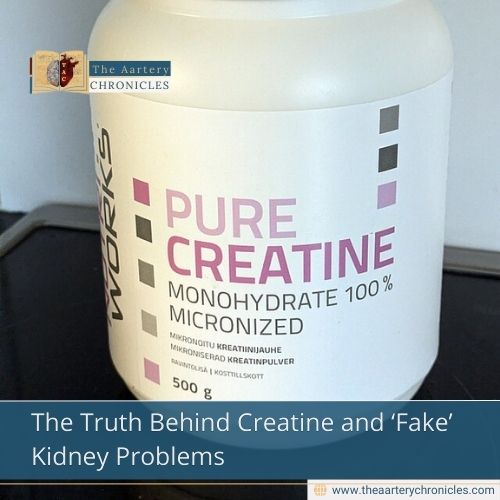

The Truth Behind Creatine and ‘Fake’ Kidney Problems
If you have ever wondered, “Does creatine damage your kidneys?” especially after seeing a high creatinine value on your kidney function test, there’s some important context to know. Creatine itself does not harm healthy kidneys. However, as UK surgeon Dr Karan Rajan explains, creatine supplements can temporarily raise creatinine levels, which may make your kidney reports look abnormal even when your kidneys are functioning normally. This often causes unnecessary panic and confusion among gym-goers and athletes.
Why does creatine affect your kidney test reports
Creatinine is a natural waste product that forms when your body breaks down creatine. Therefore, when you take creatine supplements, especially in higher doses, your blood creatinine levels naturally rise.
This can trick standard kidney function tests. Most labs calculate eGFR (Estimated Glomerular Filtration Rate) using serum creatinine. When creatinine is falsely elevated due to supplements, the eGFR value may come out lower than expected, giving the impression of reduced kidney function.
Dr Rajan shared his own experience from 2024, when his creatinine levels appeared high, and his eGFR unexpectedly dropped, even though he was otherwise healthy. Further evaluation pointed directly to creatine supplementation as the reason.
Why does this happen: A simple explanation
When you consume creatine:
- Your muscles absorb some of it for energy.
- The rest is converted into creatinine, which is filtered out of the blood by the kidneys.
- Higher creatine intake = more creatinine produced.
Therefore, even though your kidneys may be working perfectly, the increased creatinine level can mislead the commonly used eGFR calculation.
In short, creatine changes the number, not the health, of your kidneys.
A better biomarker for people who take creatine
1. Stop creatine before your test (if possible)
Pausing supplements for a few days can help your creatinine level start to normalise. Creatine can remain in the body for 6–8 weeks, so sometimes results may take longer to settle.
2. Use Cystatin C for a more reliable kidney assessment
Cystatin C is a more accurate marker for kidney health in people who:
- consume creatine
- follow high-protein diets
- engage in intense strength training
This test is not influenced by creatine intake, making it a preferred option for regular supplement users.
So, does creatine damage your kidneys?
The answer is no, creatine does not damage healthy kidneys. It only affects creatinine values, which may create a false impression of kidney injury. Therefore, always inform your doctor about any supplements you use. This helps prevent misinterpretation of your test results and avoids unnecessary worry.
Source: Inputs from various media Sources

I’m a pharmacist with a strong background in health sciences. I hold a BSc from Delhi University and a pharmacy degree from PDM University. I write articles and daily health news while interviewing doctors to bring you the latest insights. In my free time, you’ll find me at the gym or lost in a sci-fi novel.
- Priya Bairagi
- Health News and Updates,People Forum
- 4 December 2025
- 15:00