

Nutrition

The Ketogenic Diet: Fueling Your Body with Fats

Reading Time: 6 minutesThe Ketogenic Diet: Fueling Your Body with Fats In a world where low-fat and low-calorie diets have dominated the weight loss scene for years, the ketogenic diet has emerged as a groundbreaking approach to shedding pounds and enhancing mental clarity. This dietary regimen, often referred to as keto, is not just a passing trend but a scientifically backed strategy for transforming your body by shifting the primary source of energy from carbohydrates to fats. In this article, we’ll dive into the science behind the ketogenic diet, explore its benefits, and provide guidance on how to get started. Understanding the Ketogenic Diet The ketogenic diet is characterized by its high-fat, low-carbohydrate, and moderate-protein intake. The primary goal of this diet is to induce a state of ketosis in the body. Ketosis is a metabolic state in which your body primarily relies on fat for fuel instead of glucose from carbohydrates. To achieve this state, you must significantly reduce your carbohydrate intake, typically to around 5-10% of your daily caloric intake, while increasing your fat consumption to approximately 70-75%. The Science Behind Ketosis When you consume fewer carbohydrates, your body’s glucose reserves become depleted. As a result, your liver starts converting stored fat into molecules called ketones, which serve as an alternative energy source. This transition from glucose to ketones is what defines the ketogenic state. Ketones are not only an efficient energy source but also cross the blood-brain barrier, providing your brain with a steady supply of fuel. Benefits of the Ketogenic Diet and Getting Started with Keto! Weight Loss: One of the most significant benefits of the ketogenic diet is its effectiveness in weight management. By reducing carb intake and increasing fat consumption, your body enters a state where it burns stored fat for energy. This can lead to significant weight loss over time. Improved Mental Clarity: Many individuals on the keto diet report improved mental focus and clarity. This is attributed to the stable energy supply ketones provide to the brain, reducing fluctuations in blood sugar levels. Better Blood Sugar Control: For people with type 2 diabetes or those at risk, the ketogenic diet can help regulate blood sugar levels by reducing carbohydrate intake and improving insulin sensitivity. Epilepsy Management: The ketogenic diet was initially developed as a treatment for epilepsy. It remains a valuable therapy for drug-resistant epilepsy, especially in children. Getting Started with Keto Consult a Healthcare Professional: Before starting any diet, it’s essential to consult with a healthcare provider, especially if you have underlying health conditions. Plan Your Meals: Create a meal plan that emphasizes healthy fats, such as avocados, nuts, seeds, and olive oil, along with moderate protein sources like lean meats and fatty fish. Stay Hydrated: Drinking plenty of water is crucial on the ketogenic diet to help balance electrolytes and minimize potential side effects like the “keto flu.” Monitor Ketosis: You can use ketone strips or a blood ketone meter to track your ketone levels and ensure you’re in ketosis. Be Patient: The initial transition to ketosis may come with side effects such as fatigue and cravings, but these usually subside within a few days to weeks. Celebrities Who Have Embraced the Ketogenic Diet The ketogenic diet has gained popularity not only among the general population but also among some well-known celebrities. Their experiences and endorsements have contributed to the widespread recognition of the diet. Here are a few notable celebrities who have tried or publicly discussed their experiences with the ketogenic diet: Halle Berry: Halle Berry, an Academy Award-winning actress, is known for her advocacy of the ketogenic diet. She has been quite vocal about her journey with type 2 diabetes and how the ketogenic diet has played a crucial role in managing her condition. Diagnosed with diabetes at a young age, Berry turned to the ketogenic diet to help her maintain stable blood sugar levels. She frequently shares her experiences and insights regarding how this dietary approach has positively impacted her health. Halle Berry’s story serves as an inspiring example of how the ketogenic diet can be used as a valuable tool for individuals dealing with diabetes and insulin resistance. LeBron James: LeBron James, a basketball legend in the NBA, is not just famous for his on-court prowess but also for his commitment to maintaining peak physical condition. During his offseason training, LeBron has reportedly adopted a ketogenic-inspired diet as part of his comprehensive fitness regimen. This dietary approach involves reducing carbohydrate intake and increasing healthy fat consumption to support his athletic performance. LeBron’s dedication to nutrition and his utilization of the ketogenic diet have been key factors in his ability to excel on the basketball court. Kim Kardashian: Reality TV star Kim Kardashian is widely recognized for her publicized weight loss journey and her association with the ketogenic diet. Following the birth of her children, Kim Kardashian credited the ketogenic diet for helping her shed post-pregnancy weight successfully. Her openness about her experiences and endorsement of the diet has led to increased public interest in the ketogenic lifestyle. Kim’s journey illustrates how the ketogenic diet can be used as a tool for weight management and post-pregnancy recovery, and her influence has contributed to the diet’s popularity. Hrithik Roshan: Bollywood actor Hrithik Roshan is celebrated not only for his acting skills but also for his remarkable physique and commitment to physical fitness. To maintain his lean and sculpted body, Roshan has reportedly incorporated the ketogenic diet into his dietary regimen. This dietary approach involves reducing carbohydrate intake while increasing the consumption of healthy fats. Hrithik emphasizes the importance of proper nutrition, including a low-carb, high-fat diet, in achieving and maintaining his fitness goals. His dedication to both his craft and his physical health serves as an inspiration to many. Rana Daggubati: South Indian actor Rana Daggubati gained widespread recognition for his role as Bhallaladeva in the highly acclaimed “Baahubali” film series. Daggubati has openly discussed his experience with the ketogenic diet, particularly in terms of weight management and energy enhancement.

The Ketogenic Diet: Fueling Your Body with Fats Read More »

Nutrition and Diet, People Forum

Biotin: Understanding Its Importance for Health and Well-Being

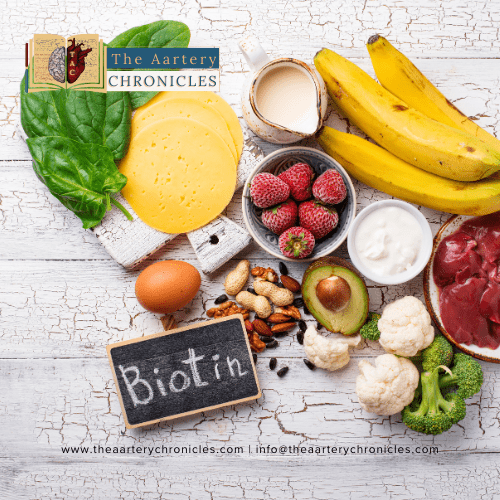
Reading Time: 5 minutesBiotin: Understanding Its Importance for Health and Well-Being The vitamin biotin, commonly referred to as vitamin B7 or vitamin H, is a water-soluble vitamin. The name “vitamin H” originates from the German words ‘Haar and Haut,’ which means hair and skin, highlighting its significance for these aspects of health. Biotin naturally occurs in various food items such as eggs, nuts and certain vegetables. It’s also commonly included in dietary supplements, often marketed for its potential benefits in promoting healthy hair and skin, as well as supporting overall well-being.   The role of Biotin in our body:  Biotin plays a vital role in the metabolism of fats, carbohydrates, proteins, etc. It helps convert these macronutrients into energy that the body can use. Also, biotin is responsible for maintaining cardiovascular health, and proper nerve functioning.  Biotin is often associated with promoting the health of hair, nails, and skin. It is a common ingredient in many beauty supplements.  Biotin is essential in the regulation of genes (as it modifies the activities of transcription factors), histone modifications, and cell signalling.  Biotin is considered to be important in breaking down macronutrients, it is involved in processes such as the synthesis of fatty acids, breakdown of amino acids, and glucogenesis.  Apart from this, biotin plays a key role in lactation, pregnancy, and regulation of blood sugar levels in type 2 diabetic patients. Sources of Biotin: Biotin is present in a variety of plant and animal-based food items, some of which include:  Eggs: The egg yolk is particularly renowned for its high biotin content. However, it’s advisable to cook them as avidin in raw egg whites can interfere with biotin absorption. Spinach: Spinach is not only a good source of biotin but also offers a variety of other vitamins (such as Vitamin A, C, and Folic acid) and minerals (such as Iron, Calcium, and potassium).  Sweet potatoes: Rich in antioxidants, fibre, vitamins, and minerals, sweet potatoes are a nutritious source of biotin Avocados: These are high in biotin and provide vitamin E, which is beneficial for skin and hair health. Organ meats: The liver, particularly chicken liver, is a potent source of biotin. Just 3 ounces of cooked chicken liver can provide a significant amount of biotin. Nuts: Nuts, such as almonds, peanuts, and walnuts, contain biotin and can be included in your diet. Along with these some other food items such as mushrooms, legumes, salmon, yeast, and dairy products are rich in biotin.   What are the normal biotin levels? The normal ranges for biotin levels in the blood serum is approximately: Adults: 133-329 picomoles per litre (pmol/L) Children: 157-425 pmol/L On average in adults, the normal urine biotin concentration must be around 18-127 nmol/24hrs. Biotin Deficiency The biotin deficiency is relatively rare in healthy individuals because biotin is found in a variety of foods, and the body requires only a small amount of it. However, certain medical conditions or genetic factors can lead to biotin deficiency or impaired biotin metabolism. An unusual decrease in biotin excretion through urine signals a deficiency in biotin. Similarly, an elevated excretion of 3-hydroxyisovaleric acid (above 3.3 mmol/mol creatinine) or 3-hydroxyisovalerylcarnitine (above 0.06 mmol/mol creatinine) is indicative of reduced MCC (3-methylcrotonyl-CoA carboxylase) activity, suggesting a biotin deficiency.   What are the signs and symptoms of Biotin deficiency? The Symptoms such as hair fall, conjunctivitis, brittle nails, and rashes, may indicate biotin deficiency. In severe cases of deficiency, In adults, symptoms may include seizures, skin infections, fragile nails, and neurological issues like depression, lethargy, hallucinations, and tingling sensations in the extremities. In infants, symptoms may manifest as hypotonia, lethargy, and developmental delays Serum concentrations of biotin and its metabolites can be increased by administration of oral doses.   Recommended Amounts There’s no Recommended Dietary Allowance (RDA) for biotin because there isn’t sufficient evidence to determine a daily requirement for most healthy individuals. Adolescents and adults are often advised to take between 30 to 100 micrograms (mcg) of biotin daily. Supplements and gummies:  The significance of biotin was first noticed when rats with the absence of biotin in their diet showed disorders such as neuromuscular dysfunction, dermatitis, and alopecia.  In case suffering from a biotin deficiency, supplements can help level up the required concentrations of biotin in the body. A wide range of dietary supplements for biotin are available, including supplements that contain just biotin, and supplements containing various combinations of vitamins and B-complex. However, it is important to choose according to the individual’s deficiencies and requirements.  Biotin gummies are a popular dietary supplement option for individuals looking to increase their biotin intake. Biotin gummies are easy to take and often more enjoyable than swallowing pills or capsules.   Biotin for skin and hair health:  In a recent decade, biotin has become commercially popular for its claimed benefits on skin, nails, and hair health. Biotin is an important nutrient that helps with the production of keratin.  Hair Health: Studies reveal that low levels of biotin can cause hair loss.  Biotin supplements are often prescribed for the strengthening of hair. Cosmetic products also tend to contain biotin as an alternative supplement. Biotin is known to improve the elasticity of hair and reduces brittleness which prevents the strands from breakage. It has been reported that people using biotin-enriched hair products experienced thickness in hair, texture, and overall hair health.    Skin Health: Biotin is said to promote radiant complexion as it is significant in the production of fatty acids which are responsible for maintaining healthy skin cells. And speeds up the process of regeneration supporting the collagen protein which imparts elasticity to the skin. However, the complete role of biotin in maintaining healthy skin has not been elucidated by scientists. The influence of vitamins on the skin may be associated with the effect on the metabolism of fat. Despite the rising craze for biotin in the media, only a small amount of literature is found to support the biotin claims for skin and hair health.   Conclusion:  Biotin plays a vital role in

Biotin: Understanding Its Importance for Health and Well-Being Read More »

Nutrition and Diet, People Forum
Scroll to Top