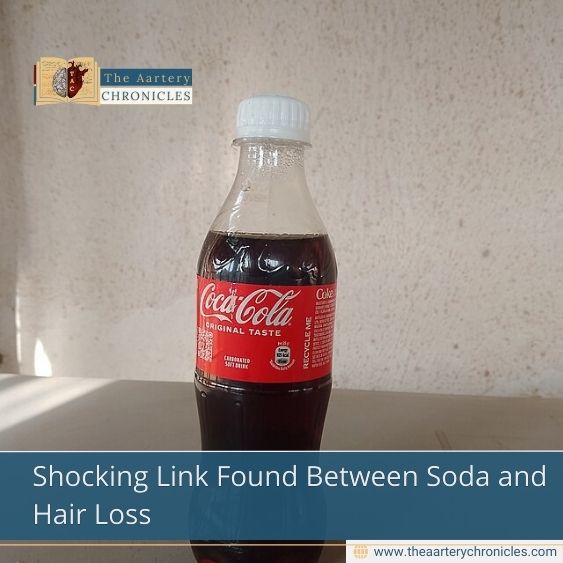
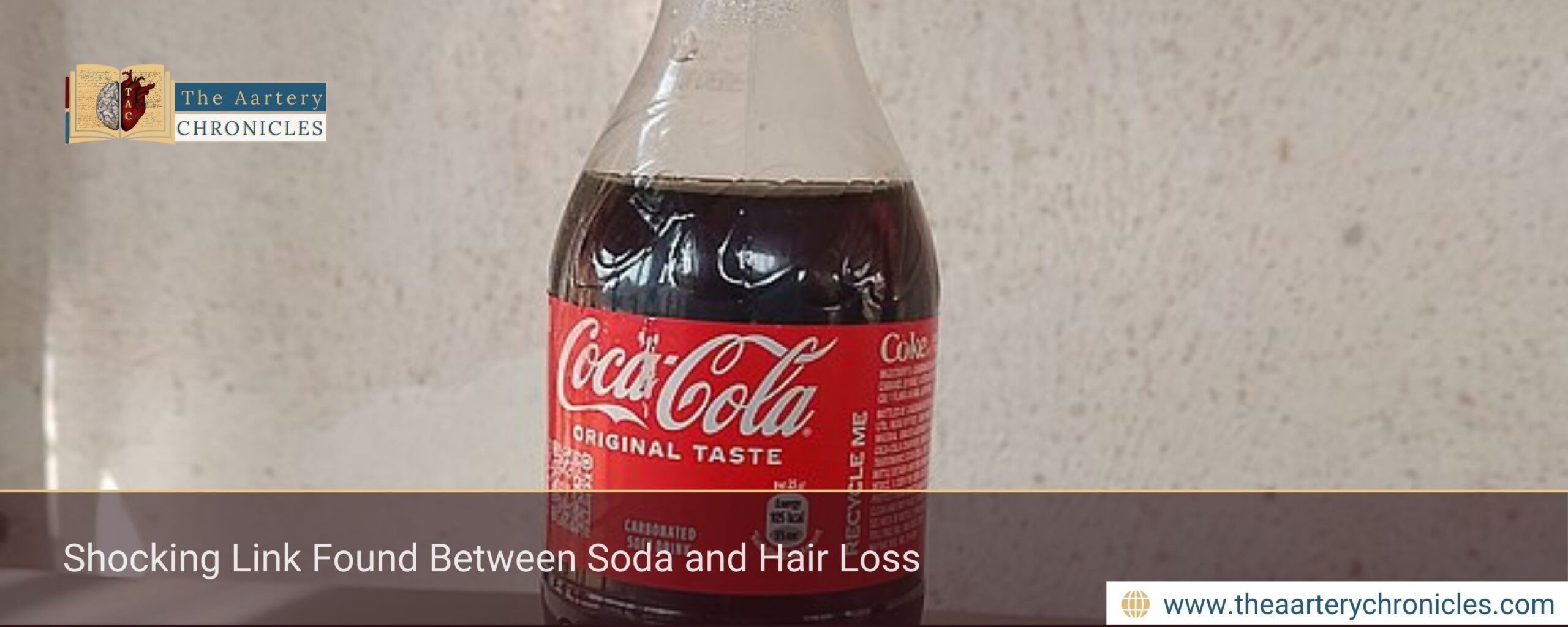
Shocking Link Found Between Soda and Hair Loss
Many people enjoy a chilled soda without thinking twice, but growing research is now raising concerns about how sugar harms hair follicles and may contribute to hair thinning and excessive shedding. Although genetics still plays the biggest role in conditions like male-pattern baldness, scientists say diet, especially high sugar intake, can make hair loss appear earlier or seem more severe. Recent studies show that drinking sugary beverages frequently may affect hormones, scalp health, and nutrient balance, all of which are important for strong, healthy hair.
Rising Hair Fall Risk Linked to Sugary Drinks
Several studies have observed a clear connection between frequent soda consumption and increased hair loss, particularly in younger adults.
- One study from China, published in Nutrients, found that men who drank more than 3,500 ml of sugary drinks per week, around 11 cans, had a significantly higher likelihood of male-pattern baldness.
- Another study on PubMed Central linked diets high in simple sugars and ultra-processed foods with more hair thinning, noting that sugar can disturb hormonal balance, increase inflammation, and create excess oil on the scalp.
Although these studies do not prove direct cause and effect, the strong association suggests that reducing sugar intake may help support long-term scalp and hair health.
How Sugar Harms Hair Follicles and Affects Scalp Health
1. Increased Sebum Production
High sugar consumption can cause rapid rises in insulin. This, in turn, may stimulate the scalp to produce more sebum (oil).
- Excess sebum can encourage microbial overgrowth
- Leading to itching, irritation, and inflammation
- Ultimately, weakening hair follicles over time
2. Chronic Inflammation
Sugar-rich diets are known to increase systemic inflammation and contribute to obesity and metabolic issues. These factors may influence hormonal pathways involved in androgenetic alopecia, causing gradual thinning and changes in the hair growth cycle.
3. Poor Nutrient Absorption
When the body is constantly regulating high blood sugar spikes, it may not absorb or utilise important nutrients efficiently.
Key nutrients affected include:
- Iron
- B vitamins
- Antioxidants
These nutrients are essential for hair growth, and deficiencies can make hair more brittle and prone to shedding.
Nutrient Deficiencies Strongly Linked to Hair Loss
Unbalanced eating patterns do not just worsen inflammation; they can also lead to deficiencies that have a direct impact on hair health.
- Low Vitamin D Levels: Studies show that low vitamin D may disrupt normal hair cycling. People with lower vitamin D often have more noticeable thinning.
- Iron Deficiency: Low ferritin (iron stores) is a well-known cause of hair shedding, especially in women, but men can be affected as well.
- Protein and Soy Intake: A diet richer in protein, including soy products, has been associated with improved hair density. Soy contains isoflavones, which may influence hormone pathways that support hair growth. Antioxidant-rich vegetables, healthy fats, and omega-3 sources also help reduce inflammation around the follicles.
Healthier Habits That May Support Stronger Hair
While no diet can completely reverse hereditary hair loss, healthier eating patterns can slow progression and improve scalp resilience.
Lifestyle Changes Include:
- Limiting soda, sugary beverages, and alcohol
- Choosing whole foods like vegetables, fruits, lean proteins, nuts, legumes, and seeds
- Ensuring good intake of omega-3s, zinc, selenium, vitamins A, E, and B-complex
- Staying well hydrated to support nutrient delivery to the scalp
These changes can reduce inflammation, balance hormones, and help protect hair follicles from stress.
Conclusion
Although genetics remains the key driver of male-pattern and female-pattern hair loss, diet can act as an important modifier. Research consistently suggests that diets high in added sugars may worsen scalp oiliness, inflammation, and nutrient imbalances, all factors that influence hair strength. Understanding how sugar harms hair follicles can help individuals make more informed dietary choices and support healthier hair in the long run.
Source: Inputs from various media Sources

I’m a pharmacist with a strong background in health sciences. I hold a BSc from Delhi University and a pharmacy degree from PDM University. I write articles and daily health news while interviewing doctors to bring you the latest insights. In my free time, you’ll find me at the gym or lost in a sci-fi novel.
- Priya Bairagi
- Health News and Updates,People Forum
- 28 November 2025
- 20:00