
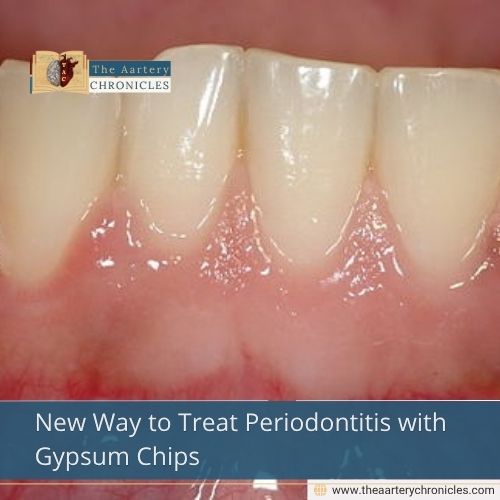
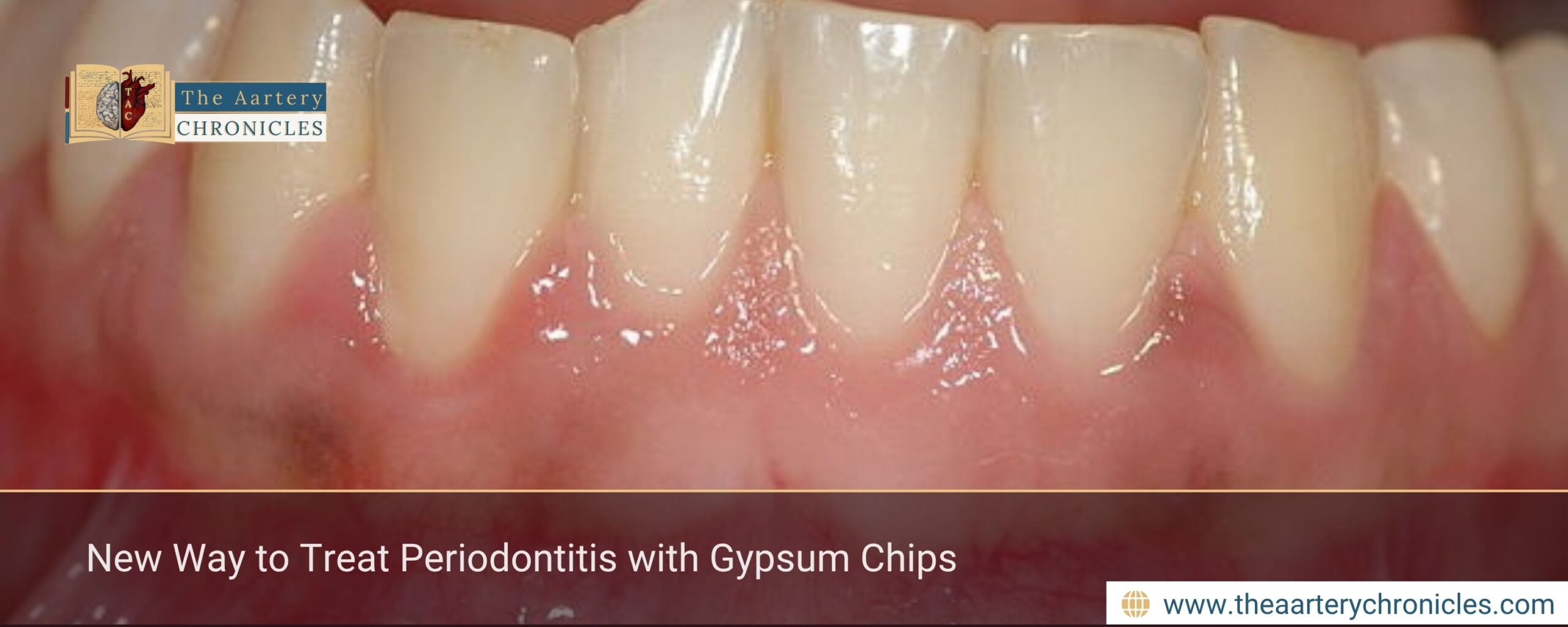
New Way to Treat Periodontitis with Gypsum Chips
A recent study highlights a promising approach using gypsum chips for periodontitis treatment. Researchers found that these chips, when combined with a common antiseptic, can slowly release medication and help fight harmful bacteria linked to gum disease.
Periodontitis is a long-lasting infection that damages the tissues supporting the teeth. It often develops due to bacteria such as Porphyromonas gingivalis, leading to gum swelling, bone loss, and eventually tooth loss if untreated.
Why scientists are looking beyond traditional treatment
Dentists usually manage periodontitis with cleaning procedures like scaling and root planing. In some cases, doctors also prescribe antibiotics. However, systemic medicines can cause unwanted side effects.
Because of this, experts are now focusing on local drug delivery systems. These methods place medication directly at the infected site, allowing better control and fewer side effects.
This is where gypsum chips for periodontitis treatment come into focus. Gypsum is already known for being safe in the body and capable of breaking down naturally over time.
How the study was conducted
Researchers designed small gypsum chips and tested different formulations to understand their strength and drug delivery ability.
First, they experimented with three water-to-powder ratios. The ratio of 0.4 produced the strongest chips, so the team selected it for further testing.
Next, they added chlorhexidine, a widely used antibacterial agent, in different amounts:
- No drug added
- Ten percent chlorhexidine
- Twenty per cent chlorhexidine
They then examined how these variations affected the structure, strength, and antibacterial performance of the chips.
What the researchers found
The study revealed several important findings about gypsum chips for periodontitis treatment:
- Stronger base but weaker after adding the drug: The original gypsum chips showed good strength. However, adding chlorhexidine reduced their mechanical strength significantly. Higher drug levels led to weaker chips.
- Smaller crystal size with more drug: As the concentration of chlorhexidine increased, the internal crystal size of the gypsum became smaller. This change may influence how the drug is released.
- Longer setting time: The chips took much longer to harden after adding chlorhexidine. This could affect how easily dentists can use them during procedures.
Sustained drug release and antibacterial action
Despite the reduced strength, the medicated chips released chlorhexidine slowly over seven days. They also showed clear antibacterial activity against Porphyromonas gingivalis. In contrast, chips without the drug showed no such effect.
Why this matters for patients
This research suggests that gypsum chips for periodontitis treatment could serve as an add-on therapy alongside standard dental care. By delivering medication directly where it is needed, these chips may help control infection more effectively.
At the same time, the reduced strength and longer setting time raise practical concerns. Dentists need materials that are both effective and easy to handle.
Conclusion
While the early results are encouraging, more studies are necessary before this approach can be used in routine dental practice. Researchers must improve the material so it balances strength, usability, and drug delivery.
For now, this innovation offers hope for better targeted treatment of gum disease, especially for patients who need localised care with fewer systemic side effects.
Source: Inputs from various media Sources

I’m a pharmacist with a strong background in health sciences. I hold a BSc from Delhi University and a pharmacy degree from PDM University. I write articles and daily health news while interviewing doctors to bring you the latest insights. In my free time, you’ll find me at the gym or lost in a sci-fi novel.
- Priya Bairagi
- Health News and Updates,People Forum
- 21 March 2026
- 18:00