
New Dressing Targets Bacteria Without Overusing Drugs
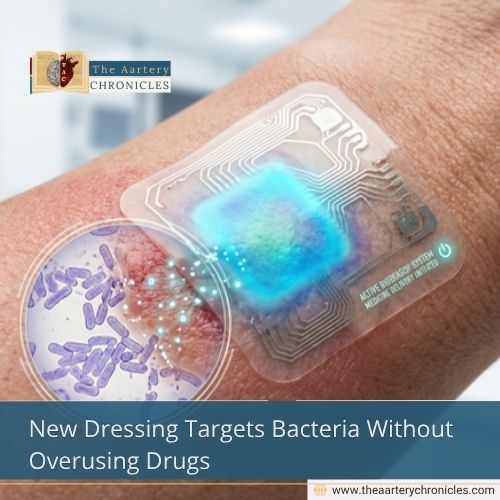
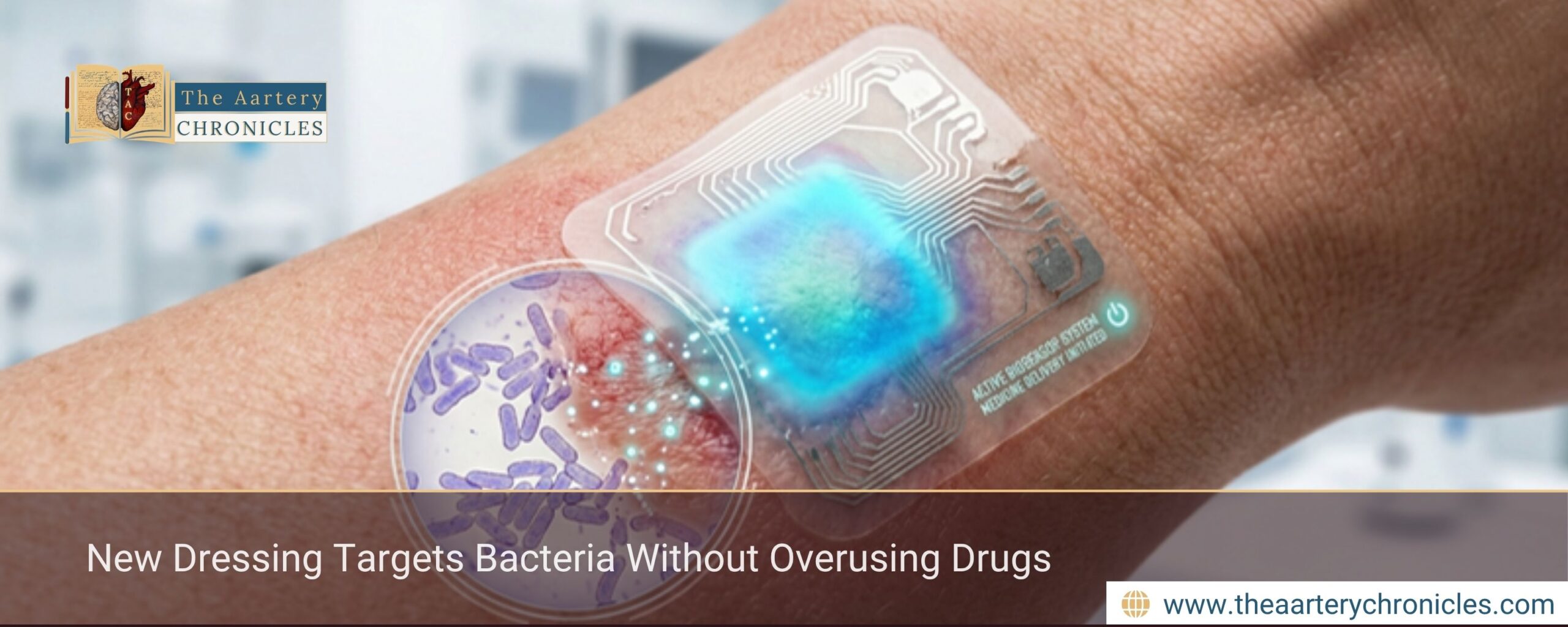
A new smart wound dressing delivers antibiotics on demand, offering a more precise way to treat infections while helping to slow down antibiotic resistance. Researchers at Brown University have designed a material that releases medicine only when harmful bacteria are present. This approach may improve healing and reduce unnecessary exposure to antibiotics.
Why this innovation matters
Doctors have long relied on antibiotics to treat infected wounds. However, overuse has led to a serious global problem called antimicrobial resistance. Many bacteria no longer respond to common treatments, making infections harder to cure.
This is where the idea that a smart wound dressing delivers antibiotics on demand becomes important. Instead of releasing drugs continuously, the new dressing responds only when infection begins. As a result, patients receive treatment exactly when they need it and not before.
How the smart hydrogel works
The dressing uses a soft, gel-like material called a hydrogel. It holds antibiotic medicine inside its structure. However, it does not release the drug right away.
Instead, the hydrogel reacts to specific enzymes that harmful bacteria produce. When these enzymes appear, they break down the structure of the gel. This process releases the trapped antibiotics directly into the wound.
On the other hand, if no harmful bacteria are present, the gel remains stable. It keeps the medicine locked inside and prevents unnecessary drug exposure.
Targeting harmful bacteria while protecting healthy skin
One of the key strengths of this technology lies in its precision. The hydrogel responds to enzymes known as beta-lactamases. These enzymes are produced by many infection-causing bacteria.
In laboratory tests, the material broke down only when these harmful bacteria were present. It stayed intact when exposed to harmless bacteria that normally live on the skin.
This selective response is important. It means the dressing can treat infections without disturbing beneficial bacteria. It also reduces the risk of developing antibiotic resistance over time.
Strong performance in early testing
The research team also tested how well the hydrogel holds the antibiotic before activation. They found that the drug remains securely trapped until the bacterial enzymes trigger its release.
In animal studies, a single application of the dressing cleared infections in wound models. It also supported faster healing compared to commonly used antimicrobial dressings.
These findings suggest that a smart wound dressing that delivers antibiotics on demand could become a powerful tool in everyday wound care.
Conclusion
Antibiotic resistance already causes millions of deaths worldwide each year. Experts warn that the number could rise sharply in the coming decades if current practices continue.
This new approach offers a practical solution. By limiting antibiotic use to only when it is truly needed, it may help preserve the effectiveness of existing drugs.
The research team has secured a patent for the technology and is now working toward further development. Future studies will focus on safety and effectiveness in humans before it becomes widely available.
If successful, this innovation could change how doctors treat wounds. More importantly, it supports a shift toward smarter and more responsible use of antibiotics.
A smart wound dressing delivers antibiotics on demand, which means treatment begins only when infection is present. This targeted approach may speed up healing, protect healthy bacteria, and reduce the growing threat of antibiotic resistance.
Source: Inputs from various media Sources

I’m a pharmacist with a strong background in health sciences. I hold a BSc from Delhi University and a pharmacy degree from PDM University. I write articles and daily health news while interviewing doctors to bring you the latest insights. In my free time, you’ll find me at the gym or lost in a sci-fi novel.
- Priya Bairagi
- Health News and Updates,People Forum
- 24 March 2026
- 11:00