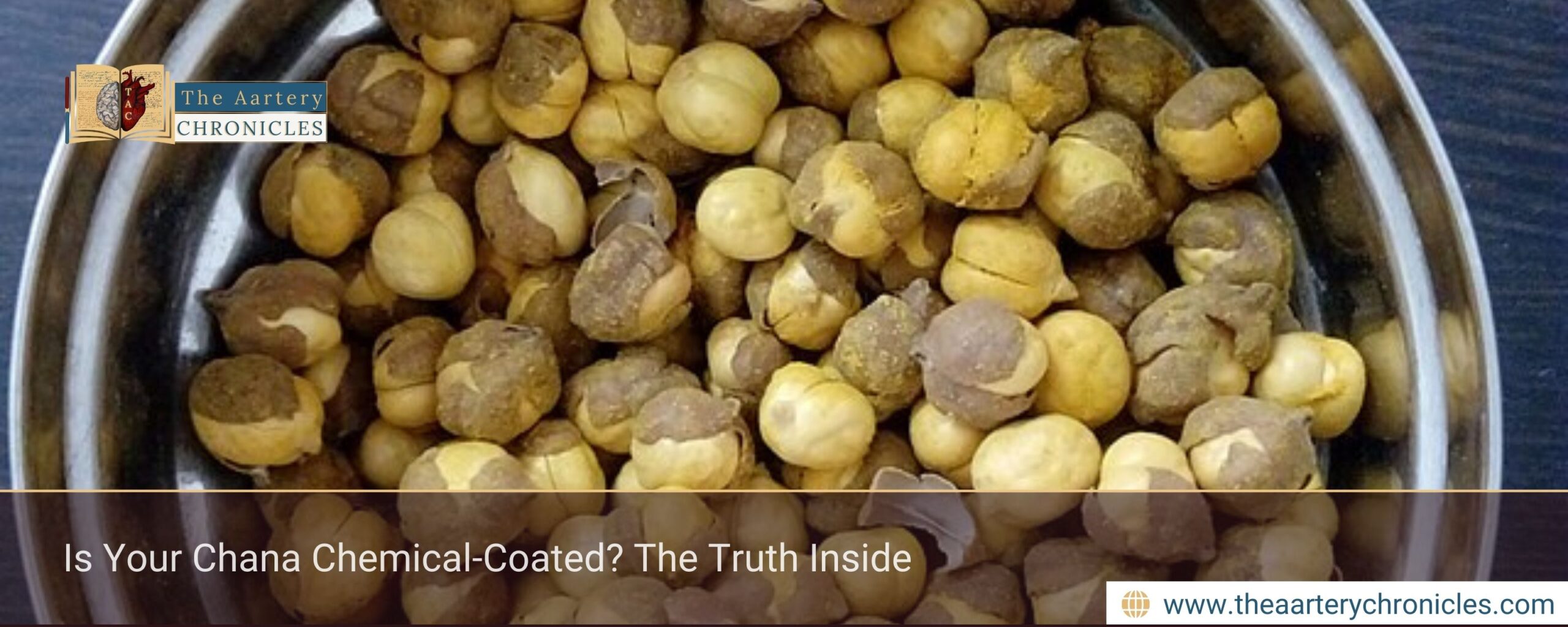
Is Your Chana Chemical-Coated? The Truth Inside
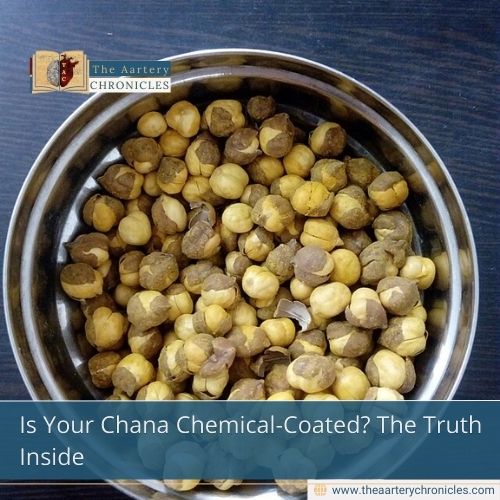
Chemical-coated chana may look clean, shiny, and attractive on store shelves, but the reality behind this bright appearance could be harmful. Chickpeas (chana) are a daily staple in many homes and are often seen as a healthy source of protein and fiber. However, recent reports suggest that some varieties in the market are being treated with dangerous chemicals to enhance color and texture. This hidden adulteration may increase long-term health risks, including serious illnesses such as cancer.
The Growing Concern of Chana Adulteration
Food adulteration is not new. We’ve seen fruits coated with wax, vegetables ripened with harmful chemicals, and oils mixed with inferior substances. Now, chickpeas have joined this worrying list.
In some cases, chana is coated with a chemical dye called auramine, a substance known to be toxic and potentially cancer-causing. It is often used to give chickpeas a bright yellow color and a polished appearance, making them look fresh and more appealing to buyers.
Unfortunately, this attractive shine may come at the cost of your health.
Why Store-Bought Roasted Chana Should Be Checked Carefully
Roasted chickpeas are commonly consumed as a healthy snack, especially by fitness enthusiasts and people trying to control weight. However, some roasted varieties may actually be chemical-coated chana, treated with auramine or similar substances to improve crunchiness and color.
One sign of adulteration is when the chickpea easily turns to powder when pressed between fingers. Naturally grown chana is usually firm and does not crumble so easily.
Regular consumption of such adulterated chickpeas may not immediately show symptoms, but over time, harmful compounds can build up in the body and contribute to serious health issues.
How Are These Chemicals Added?
The chemical (auramine) is typically mixed with a powder that looks similar to turmeric. This mixture is then coated onto the chickpeas to create an artificial yellow tone and create a smoother surface. While it may not change the nutrient content instantly, it can lead to long-term toxicity in the body.
This is why avoiding chemical-coated chana is important, even if it looks “better” than the natural version.
How to Identify Chemical-Coated Chana
There are some visual differences you can easily notice:
- Natural chana: Smaller in size, light to dark brown in color, and slightly rough in texture.
- Chemical-coated chana: Larger, bright yellow, unusually shiny, and overly crunchy.
Easy Home Tests to Check Chana Purity
You don’t need a laboratory to detect adulteration. These simple home methods can help:
1. Water Test: Soak a handful of chana in a glass of water and stir gently.
If the water becomes milky or cloudy, it may contain polishing agents like talc or chalk. Clear water usually indicates better purity.
2. Rub Test: Rub a few chickpeas on white paper or a cloth.
If you see yellow or colored stains, it may point to artificial dye. Natural chana will leave no mark.
3. Smell Test: After washing the chickpeas, smell them closely.
A chemical or soapy odour suggests contamination. Fresh chana usually has a mild, earthy smell.
4. Heat Test: Dry-heat a few chickpeas in a clean pan.
A sharp or unpleasant chemical smell means there may be harmful residues. Safe chana produces a normal roasted aroma.
These quick checks can protect you from unknowingly consuming chemical-coated chana.
Conclusion
While chickpeas remain one of the healthiest plant-based foods available, their safety depends on quality and purity. The presence of chemical-coated chana in the market is an alarming reminder that visual appeal does not always mean better quality.
Prioritise buying from trusted sources, choose natural-looking chana, and perform simple checks at home whenever possible. Small steps today can prevent big health problems tomorrow.
Your health begins with what’s on your plate.
Source: Inputs from various media Sources

I’m a pharmacist with a strong background in health sciences. I hold a BSc from Delhi University and a pharmacy degree from PDM University. I write articles and daily health news while interviewing doctors to bring you the latest insights. In my free time, you’ll find me at the gym or lost in a sci-fi novel.
- Priya Bairagi
- Health News and Updates,People Forum
- 30 November 2025
- 20:00