Why Experts Say Children Should Avoid Tea and Coffee
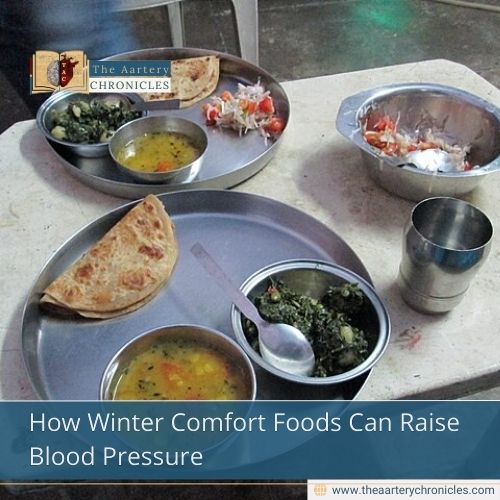
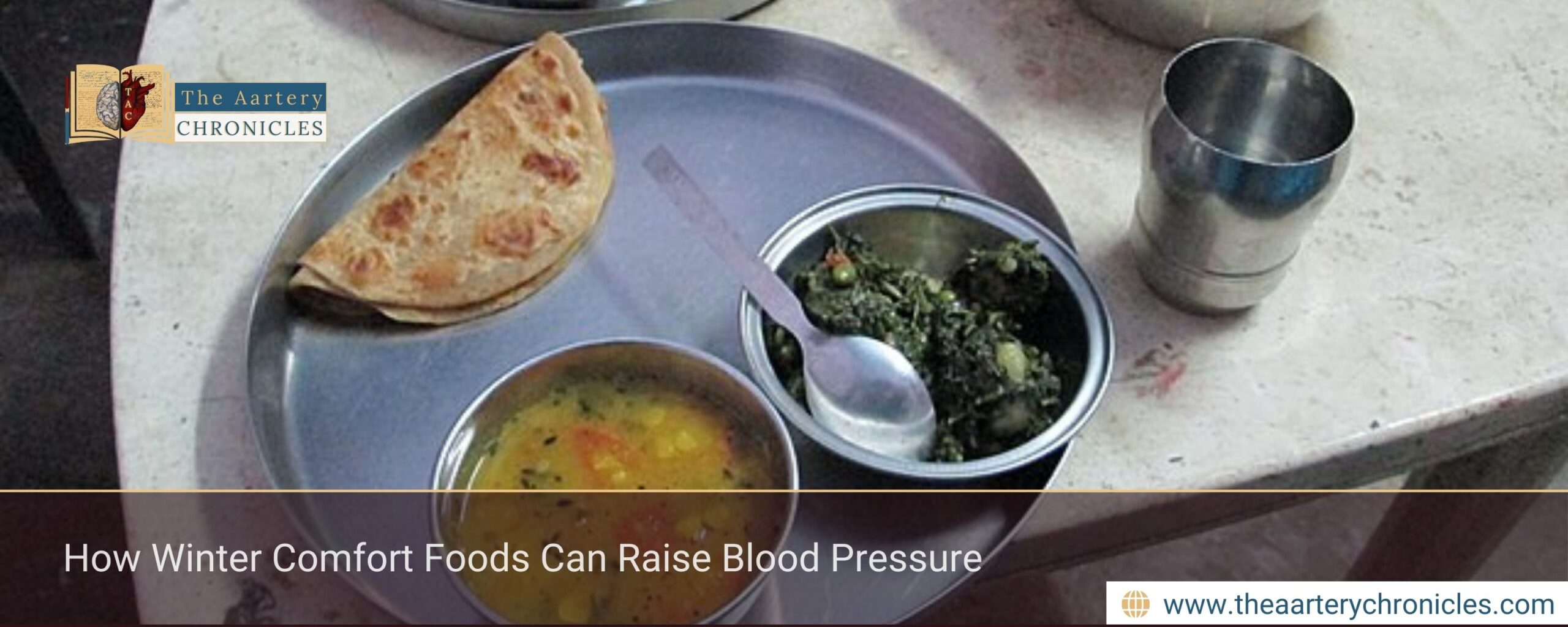
Winter in North India brings warmth, celebration, and a table full of comforting foods. From gajar ka halwa to butter chicken and crispy pakoras, these seasonal favourites feel almost automatic during the colder months. However, doctors caution that while these dishes satisfy the palate, they can quietly strain the heart. According to Dr Manan Aggarwal, winter heart health deserves special attention because cold weather naturally raises blood pressure and thickens the blood, making unhealthy food choices riskier.
Gajar ka Halwa:
Carrot halwa often sounds harmless because carrots are nutritious. In reality, carrots play only a small role in this dessert. The real bulk comes from full-cream milk, khoya, ghee, and sugar. Together, these ingredients make halwa very high in calories and saturated fat.
During winter, people are usually less active, and their metabolism slows down. As a result, frequent servings of gajar ka halwa can raise blood sugar, triglycerides, and body weight. Since the heart already works harder in cold weather, regular indulgence can negatively affect winter heart health. Enjoying small portions on special occasions is far safer than daily servings.
Butter Chicken and Rogan Josh:
Rich gravies paired with hot naan are a winter favourite. However, butter, cream, and saturated fats in these dishes increase “bad” LDL cholesterol. In winter, when blood vessels tend to narrow due to cold, this extra cholesterol can further burden the arteries. The solution is not to avoid flavour altogether. Instead, reserve creamy gravies for occasional treats. Smaller portions, less cream, and choosing tandoori or grilled dishes more often can help protect winter heart health while still keeping meals enjoyable.
Samosa, Kachori, and Pakoras :
Hot, fried snacks with tea feel irresistible on cold evenings. Yet, these foods are usually deep-fried in very hot oil, which creates unhealthy fats and oxidised oils. These fats raise LDL cholesterol and increase inflammation and blood clotting.
Because winter already makes blood thicker, frequent fried snacks can increase heart risks. Limiting these treats to weekends and choosing roasted chana, peanuts in moderation, corn chaat, or air-fried snacks on other days can make a big difference for winter heart health.
Revdi and Gajak :
Revdi and gajak are festive and seem harmless because they are small. However, they are made from sesame or peanuts, bound with sugar or jaggery and added fat. A few pieces quickly turn into a high dose of calories and sugar. With reduced physical activity in winter, constant snacking can silently raise weight, blood sugar, and triglyceride levels. A better approach is to enjoy two small pieces after meals on special days. Storing them in small containers instead of open plates also helps avoid mindless eating.
Conclusion
Maintaining winter heart health does not mean giving up all seasonal joys. The key is awareness, portion control, and smarter choices. By limiting rich foods, spreading out indulgences, and staying as active as possible, you can enjoy winter flavours while keeping your heart safe and strong.
Source: Inputs from various media Sources

I’m a pharmacist with a strong background in health sciences. I hold a BSc from Delhi University and a pharmacy degree from PDM University. I write articles and daily health news while interviewing doctors to bring you the latest insights. In my free time, you’ll find me at the gym or lost in a sci-fi novel.
- Priya Bairagi
- Health News and Updates,People Forum
- 22 December 2025
- 13:00