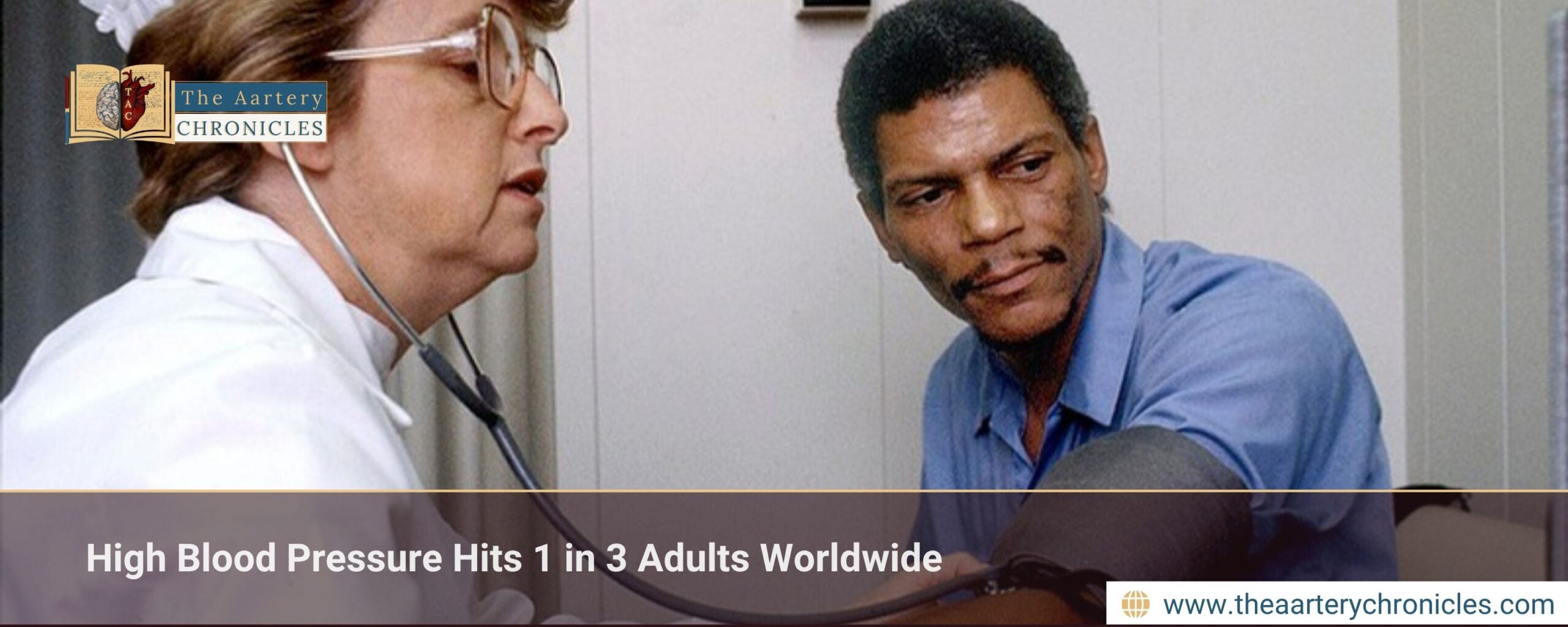
High Blood Pressure Hits 1 in 3 Adults Worldwide
A major global study has revealed that hypertension affected 1.7 billion adults worldwide in 2020, raising fresh concerns about the growing burden of heart related diseases across developing nations. Researchers found that nearly one in three adults globally was living with high blood pressure, yet only a small percentage had their condition under control.
The analysis showed a sharp divide between wealthy and developing countries, especially in awareness, treatment, and blood pressure control. Experts say the findings highlight an urgent need for stronger public health systems and affordable treatment access.
Global Burden of Hypertension Continues to Rise
Researchers examined data from 287 population based studies involving more than six million adults across 119 countries. The study, published in the Journal of the American College of Cardiology, tracked changes in hypertension between 2000 and 2020.
According to the analysis, around 1.71 billion adults were living with hypertension in 2020. Of these, nearly 1.32 billion people lived in low and middle income countries, while about 400 million lived in high income nations.
The report also found that almost 90 per cent of the rise in hypertension cases over the past two decades occurred in lower income countries.
Blood Pressure Control Remains Poor Worldwide
Even though hypertension can often be managed with lifestyle changes and medicines, the study found that blood pressure control remains low across the world.
Only about 20 per cent of adults with hypertension had their blood pressure under control in 2020.
Researchers noted that high income countries performed much better in managing the condition. Around 40.2 per cent of adults with hypertension in wealthier nations had controlled blood pressure. In comparison, only 13.6 per cent of patients in low and middle income countries achieved proper control.
Experts warned that uncontrolled hypertension significantly increases the risk of heart attack, stroke, kidney disease, and premature death.
Awareness and Treatment Improved, But Gaps Remain
The study showed gradual improvement in awareness and treatment rates over the last 20 years. However, progress was much slower in developing regions.
In high income countries:
- Awareness increased from 57.7 per cent in 2000 to 69.2 per cent in 2020
- Treatment rates rose from 42.9 per cent to 66.3 per cent
- Blood pressure control improved from 16.4 per cent to 40.2 per cent
Meanwhile, in low and middle income countries:
- Awareness increased from 29.1 per cent to 46.1 per cent
- Treatment rose from 20.7 per cent to 30.8 per cent
- Control improved only from 6.4 per cent to 13.6 per cent
Researchers said these numbers show that millions of people still remain undiagnosed or untreated.
Certain Regions Face Higher Risk
The analysis found that Latin America, the Caribbean, and sub Saharan Africa had the highest rates of hypertension prevalence in 2020.
However, East Asia and the Pacific recorded the largest total number of adults living with the condition, followed closely by South Asia due to their large populations.
Researchers also observed a widening inequality in hypertension management. In 2000, about 70 per cent of adults with uncontrolled hypertension lived in low and middle income countries. By 2020, that number had climbed to 83 per cent.
Why Hypertension Is Called a Silent Killer
Doctors often describe hypertension as a silent killer because many people do not experience symptoms until serious complications develop. Persistent high blood pressure can quietly damage blood vessels, the heart, brain, and kidneys for years.
Health experts advise adults to check their blood pressure regularly, especially if they have obesity, diabetes, smoking habits, stress, or a family history of heart disease.
Simple lifestyle measures can lower the risk significantly. These include:
- Reducing salt intake
- Exercising regularly
- Maintaining a healthy weight
- Avoiding tobacco use
- Limiting alcohol consumption
- Taking prescribed medicines consistently
Conclusion
Researchers stressed that stronger healthcare systems are essential to reduce the global burden of hypertension. They recommended wider access to affordable blood pressure medicines, accurate blood pressure monitoring, and simpler treatment plans.
The team also highlighted the importance of long term follow up care for patients with chronic diseases.
As hypertension affected 1.7 billion adults worldwide in 2020, experts believe governments and healthcare providers must act faster to improve early diagnosis and treatment. Without timely intervention, the number of people living with uncontrolled high blood pressure may continue to rise in the coming years.
Source: Inputs from various media Sources

I’m a pharmacist with a strong background in health sciences. I hold a BSc from Delhi University and a pharmacy degree from PDM University. I write articles and daily health news while interviewing doctors to bring you the latest insights. In my free time, you’ll find me at the gym or lost in a sci-fi novel.
- Priya Bairagi
- Health News and Updates,People Forum
- 15 May 2026
- 11:00