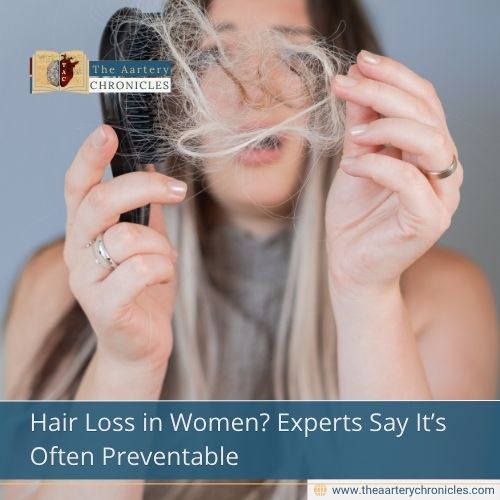
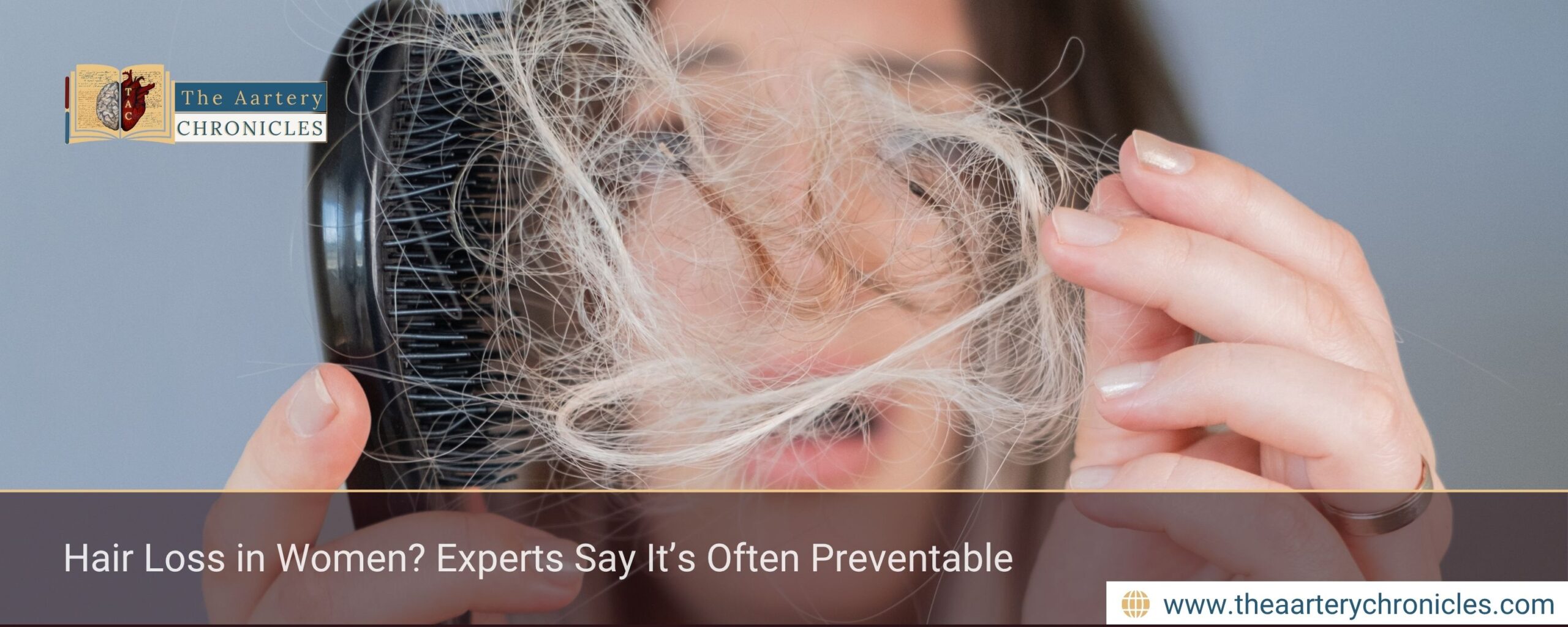
Hair Loss in Women? Experts Say It’s Often Preventable
Hair loss in women can be worrying, especially when it continues despite using new hair products or improving diet. According to a senior diabetologist, Dr Brijmohan Arora, many women don’t realise that most types of hair fall are preventable and reversible once the underlying cause is identified early. Unlike men, where hair loss is frequently genetic and progressive, women usually experience hair fall as a symptom of something deeper happening inside the body.
Why Hair Loss in Women Happens
The specialist explains that hair loss in women is usually not a disease by itself, but a sign that the body may be lacking essential nutrients or dealing with an internal imbalance. Common triggers include:
1. Vitamin and Mineral Deficiencies: Low levels of key nutrients are a frequent cause. Deficiencies of:
- Vitamin B
- Vitamin D
- Iron
- Zinc
- Magnesium
It can disturb normal hair growth and lead to noticeable shedding.
2. Thyroid Imbalances: Thyroid disorders, both overactive and underactive, can cause thinning hair or increased hair fall.
3. Carbohydrate Toxicity: Consuming too much junk food or processed carbohydrates may affect metabolism and contribute to hair weakening and breakage.
4. Stress and Crash Dieting: Emotional stress, sudden weight-loss diets, or restrictive eating patterns can push hair follicles into a “resting phase,” leading to increased shedding.
5. Post-Illness Recovery: After infections or prolonged illness, temporary hair loss is common as the body redirects nutrients toward healing.
6. Hormonal Shifts: Menstrual changes, pregnancy, postpartum recovery, and menopause can all influence the hair growth cycle.
These factors often overlap, making hair loss in women a complex but treatable issue once the root cause is pinpointed.
What You Should Do If You’re Experiencing Hair Fall
Instead of relying on random supplements or home remedies, the specialist strongly recommends a structured medical evaluation. A complete metabolic profile and vitamin panel can reveal hidden deficiencies or hormonal issues contributing to hair loss.
He emphasises that proper diagnosis is essential:
“Identify the cause. Treat it correctly. That’s how you stop and reverse hair fall.”
Once the issue is treated, whether it’s nutrition-related, thyroid-linked, or metabolic, many women notice significant improvement.
Conclusion
Most cases of hair loss in women are not permanent. With early detection, the right blood tests, and targeted treatment, hair growth can often be restored. Understanding the body’s signals and seeking timely medical guidance are the keys to preventing long-term thinning or breakage.
If hair fall feels unusual or persistent, getting tested is the first and most important step.
Source: Inputs from various media Sources

I’m a pharmacist with a strong background in health sciences. I hold a BSc from Delhi University and a pharmacy degree from PDM University. I write articles and daily health news while interviewing doctors to bring you the latest insights. In my free time, you’ll find me at the gym or lost in a sci-fi novel.
- Priya Bairagi
- Health News and Updates,People Forum
- 17 November 2025
- 15:00