Does Poor Chewing Make Swallowing Dangerous?
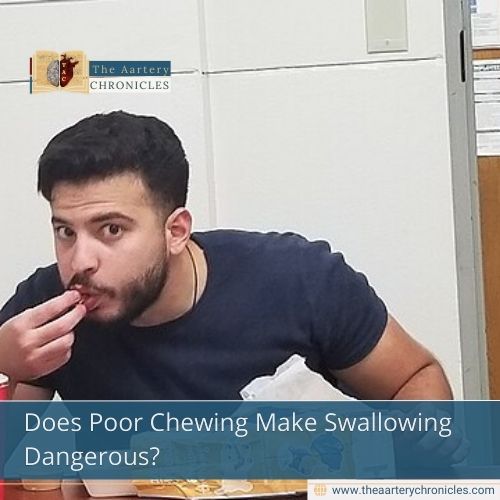
Chewing food properly is a simple habit, yet it plays a crucial role in preventing swallowing difficulties and supporting smooth digestion. According to Florida-based gastroenterologist Dr Joseph Salhab, many people underestimate how important good chewing is, even though he treats patients every week who get food stuck in their oesophagus. In fact, he advises that the ideal chewing time is around 15–20 seconds to help food move easily through the oesophagus.
Why Chewing Food Properly Matters
Chewing breaks food down into smaller, softer pieces and mixes it with saliva, which contains enzymes that start carbohydrate digestion. Moreover, chewing food properly ensures that the food reaches a mushy consistency, making swallowing safer and more comfortable.
However, when chewing is rushed, people may feel food “sticking,” experience discomfort, or even have the urge to vomit. This is sometimes due to large or poorly chewed bites, especially meat, bread, or dry chicken.
Common Medical Reasons Behind Difficulty Swallowing
1. Long-Term Acid Reflux (GERD): Over time, repeated acid exposure from Gastroesophageal Reflux Disease (GERD) can injure the lining of the oesophagus. As the tissue heals, it may form scar tissue, reducing flexibility. Dr Salhab explains that this stiffness can make solid foods, particularly meat and bread, feel like they are slowing down or getting stuck.
2. Eosinophilic Esophagitis (EoE): EoE is an inflammatory condition caused by an allergic reaction, often to certain foods. The oesophagus becomes filled with eosinophils, leading to swelling and narrowing. People with EoE may report sudden episodes of food sticking, even when they are young and otherwise healthy.
3. Oesophageal Motility Disorders: Sometimes, the problem lies in how the oesophagus moves food downward. In motility disorders, the muscles may contract weakly, irregularly, or in a spasm-like pattern, slowing the movement of food. This category includes issues such as ineffective oesophageal motility and achalasia.
4. Oesophageal Cancer: Both adenocarcinoma and squamous cell carcinoma can gradually narrow the oesophagus as the tumour grows. Early symptoms are subtle, and one of the first warning signs is progressive difficulty swallowing solid foods.
When Difficulty Swallowing Is Not a Medical Issue
Not all swallowing problems indicate disease. Sometimes the sensation comes simply from a bite that is too large or insufficiently chewed. Poorly chewed meats, bread, or dry foods are common triggers. When food gets stuck, people may feel chest pressure, pain, or excessive drooling.
Conclusion
While many swallowing issues can be avoided by chewing food properly, persistent or progressive difficulty swallowing should never be ignored. Understanding the possible causes of acid reflux damage to inflammatory or motility disorders can help individuals seek timely medical advice and prevent complications.
Source: Inputs from various media Sources

I’m a pharmacist with a strong background in health sciences. I hold a BSc from Delhi University and a pharmacy degree from PDM University. I write articles and daily health news while interviewing doctors to bring you the latest insights. In my free time, you’ll find me at the gym or lost in a sci-fi novel.
- Priya Bairagi
- Health News and Updates,People Forum
- 11 December 2025
- 15:00