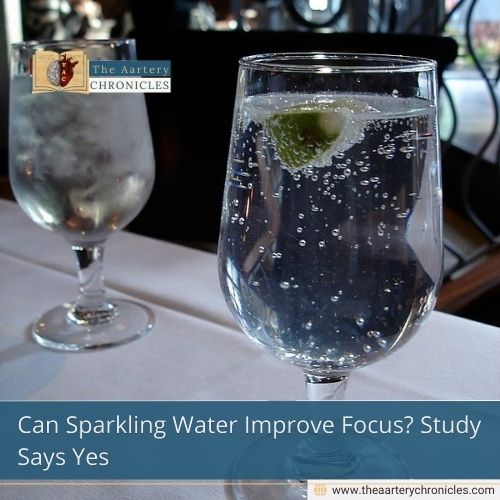

Can Sparkling Water Improve Focus? Study Says Yes
The study was published in Computers in Human Behaviour Reports. Researchers wanted to understand whether sparkling water could influence mental alertness during extended screen time.
To test this, the team recruited 14 casual gamers. Each participant played a virtual football game for three hours in two separate sessions.
During one session, they drank regular still water. In the other session, they consumed sparkling water cooled to 4 degrees Celsius.
Participants drank about 500 millilitres of water at set intervals throughout the gaming period.
At the same time, researchers monitored several indicators of fatigue and attention. These included self-reported tiredness, enjoyment of the game, heart rate, and pupil size. Pupil constriction is often linked to mental fatigue and reduced attention.
Results Show Lower Fatigue and Better Focus
The results suggested that sparkling water for concentration may have measurable benefits.
Participants who drank sparkling water reported feeling less tired and more engaged in the game compared with when they drank still water.
Their pupil responses also indicated that cognitive functions related to focus and executive control remained more stable. In addition, players made fewer mistakes during the gaming session. According to researchers, this may reflect better mental control and sustained attention.
Although the study was small, the findings point toward a possible link between fizzy water and improved mental alertness.
Why Carbonation Might Stimulate the Brain
Scientists believe the effect may be related to the carbon dioxide present in sparkling water.
Carbon dioxide can activate sensory receptors in the mouth known as transient receptor potential channels. When these receptors are stimulated, they may send signals that increase alertness in the brain.
This stimulation could explain why people often feel a refreshing or awakening sensation when drinking fizzy beverages.
Sparkling Water Versus Caffeine Drinks
The researchers did not directly compare sparkling water with coffee or energy drinks. However, they suggest that sparkling water could be a safer everyday option for maintaining alertness.
Unlike caffeine-based drinks, sparkling water does not lead to dependence and does not contain added sugar or stimulants. For people who want to limit caffeine intake, sparkling water for concentration may provide a simple alternative.
Earlier Research Explains the Fizzy Sensation
Previous research has also examined how carbonation affects the body.
Dr Nicholas Ryba from the National Institutes of Health reported in a study published in Science that carbonation activates sour-sensing taste receptors. This process happens through an enzyme that reacts with carbon dioxide.
The reaction sends signals to the brain and produces the tingling sensation people associate with fizzy drinks.
Conclusion
Many people spend long hours working on computers or using digital devices. Fatigue and reduced focus are common problems during extended screen time.
While more research is needed, this study suggests that staying hydrated with sparkling water could help maintain attention and reduce mental tiredness during such tasks.
Experts note that hydration itself supports brain function. Choosing sparkling water instead of sugary or caffeinated drinks may provide an added benefit without extra health risks.
Source: Inputs from various media Sources

I’m a pharmacist with a strong background in health sciences. I hold a BSc from Delhi University and a pharmacy degree from PDM University. I write articles and daily health news while interviewing doctors to bring you the latest insights. In my free time, you’ll find me at the gym or lost in a sci-fi novel.
- Priya Bairagi
- Health News and Updates,People Forum
- 17 March 2026
- 13:00