
Baby Cells Can Stay in Mothers’ Bodies for Decades
Pregnancy does not end at delivery in every biological sense. Scientists have found that a small number of baby cells can remain inside a mother’s body for many years after birth. This lasting biological link is known as microchimerism, and growing research suggests it may influence both health and disease long after pregnancy ends.
What Is Microchimerism?
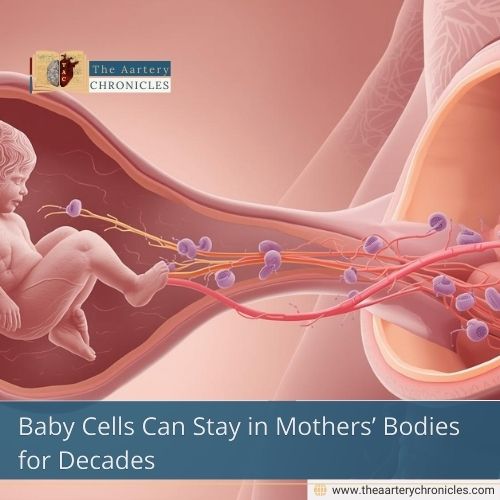
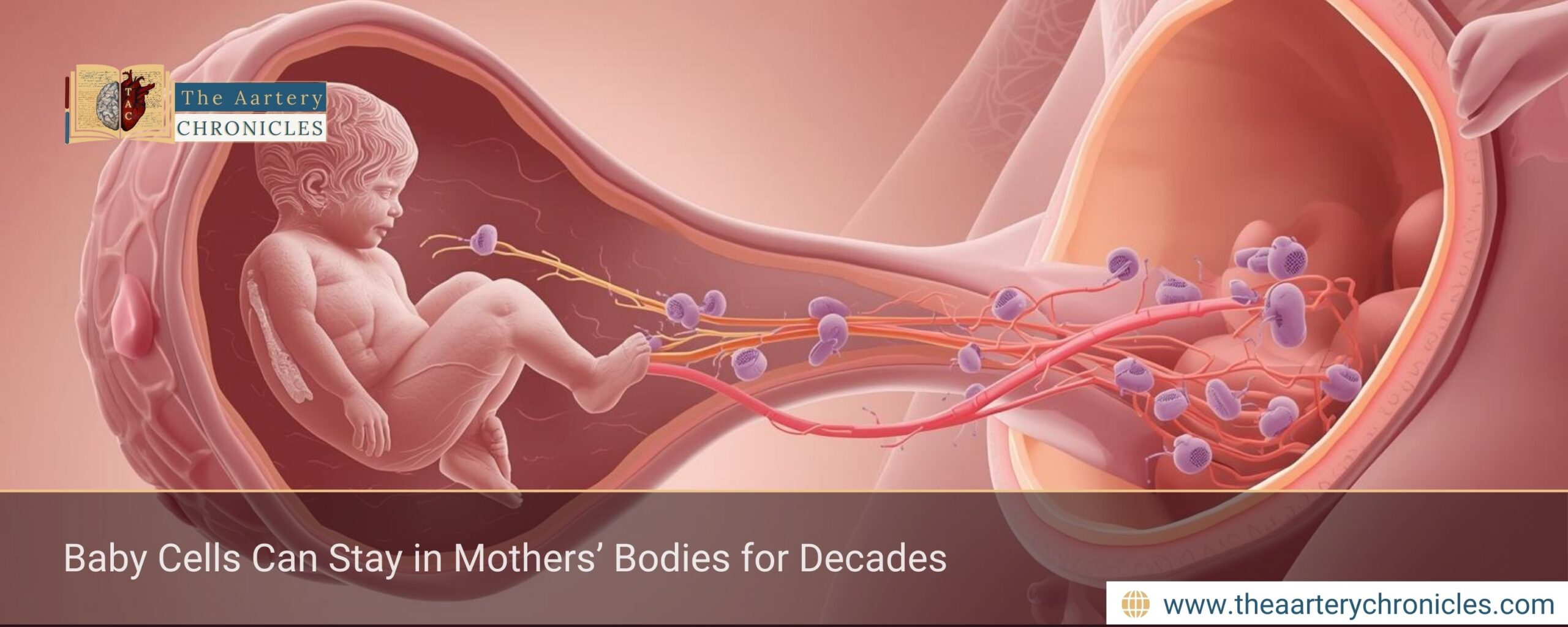
Microchimerism happens when a person carries a small number of cells that came from another individual. During pregnancy, cells move in both directions between the mother and the baby through the placenta.
In fetal microchimerism, cells from the fetus enter the mother’s bloodstream. These cells can settle in organs such as the heart, liver, lungs, thyroid, and even the brain. At the same time, maternal cells also pass into the developing baby. Scientists believe these maternal cells can remain in the child and may even be passed to future generations.
Researchers have also observed microchimerism in other situations, including twin pregnancies and organ or stem cell transplants.
How Long Do These Cells Stay in the Body?
According to a study published in Advanced Science in August last year, microchimeric cells can remain in the body for decades. In some cases, they may last a lifetime.
Researchers reported that both fetal and maternal cells can change into many different cell types. They can become immune cells, heart cells, or nerve cells. Notably, some of these cells can cross the blood-brain barrier and develop into neurons, which highlights how deeply they can integrate into the body.
Why Fetal Microchimerism Matters
Scientists believe fetal microchimerism may play a role in healing and repair. These cells can help regenerate damaged tissue and support immune responses. For example, fetal cells have been found in areas of injury, suggesting they may assist the body’s natural repair process.
However, researchers also link microchimerism to certain health problems. Studies have associated it with autoimmune diseases and some pregnancy-related complications. At this stage, experts do not fully understand whether these cells cause disease or appear as part of the body’s response to illness.
Experts Opinons
In a separate study published in Immunity, specialist Sing Sing Way from Cincinnati Children’s Hospital Medical Center explained how foreign maternal cells interact with the immune system.
Way noted that new research tools now allow scientists to track these rare cells more precisely. These tools may help clarify how microchimerism affects conditions such as autoimmune disorders, cancer, and neurological diseases.
Experts emphasize that microchimerism appears in many health conditions, but its exact role remains unclear. It may contribute to disease in some cases, while in others, it may support healing and recovery.
Conclusion
The discovery of long-lasting fetal microchimerism reshapes how scientists view pregnancy. Rather than a temporary state, pregnancy creates a biological connection that can persist for years.
As research continues, doctors hope to better understand how these lingering cells influence long-term health. This knowledge may one day help guide new treatments for immune disorders and tissue damage, while also offering deeper insight into the lasting bond between mother and child.
For now, microchimerism stands as a powerful reminder that pregnancy leaves a permanent mark, not just emotionally, but at the cellular level as well.
Source: Inputs from various media Sources

I’m a pharmacist with a strong background in health sciences. I hold a BSc from Delhi University and a pharmacy degree from PDM University. I write articles and daily health news while interviewing doctors to bring you the latest insights. In my free time, you’ll find me at the gym or lost in a sci-fi novel.
- Priya Bairagi
- Health News and Updates,People Forum
- 3 February 2026
- 11:00