Are South Indians More Prone to Diabetes? New Facts Inside
Growing conversations around health have once again highlighted the South Indian diabetes risk, after a recent message by Dr Swathi R Bhat (MBBS, MD Internal Medicine) gained traction online. In a social media post, she explained why people from South India may develop diabetes more easily than many North Indians. Her explanation points to a mix of metabolic differences and long-standing food habits.
Metabolic Differences: Less Muscle, More Deep Belly Fat
According to experts, the contrast is not always visible on the outside. Many South Indians may look lean but still carry lower muscle mass and higher visceral (deep abdominal) fat. This combination increases insulin resistance, meaning the body cannot use insulin effectively.
Muscle plays a major role in using up glucose. Therefore, when someone has less muscle, blood sugar tends to stay higher for longer. At the same time, excess visceral fat releases inflammatory chemicals that further weaken insulin’s action.
Metabolic profile places more pressure on the pancreas to produce insulin, raising the long-term likelihood of diabetes. He emphasises that this pattern is seen commonly and is a key reason behind the South Indian diabetes risk.
How Traditional Food Patterns Add to the Problem
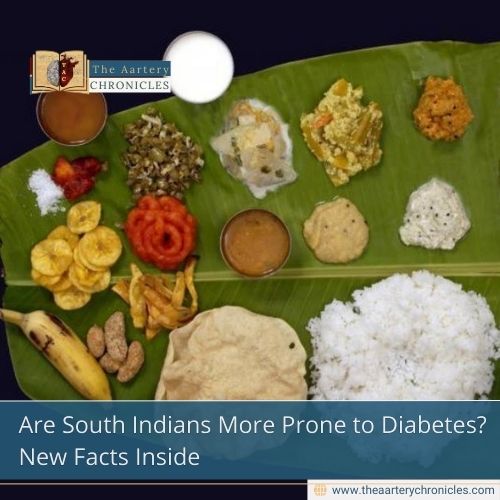
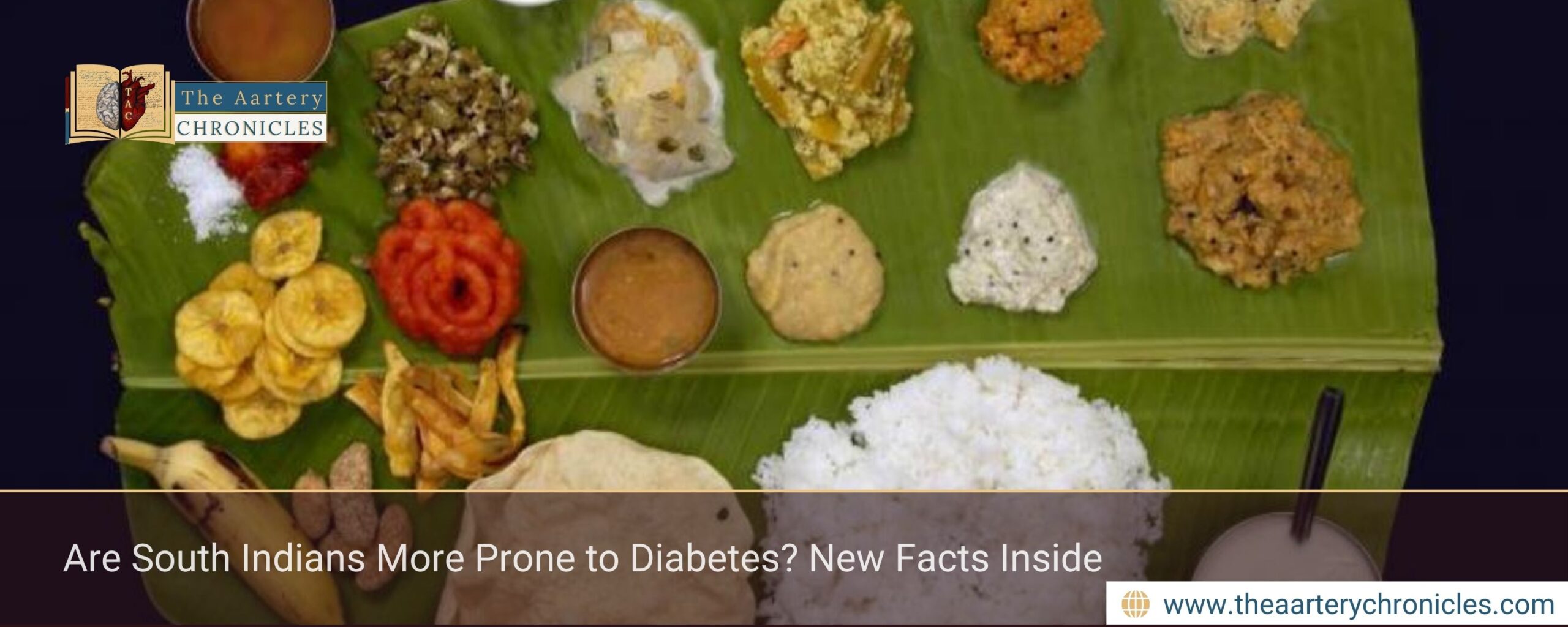
Traditional South Indian meals often revolve around polished white rice or other high-carb staples. Many people consume three carbohydrate-heavy meals a day, with relatively lower protein and fibre.
This matters because meals low in protein and fibre digest faster, causing quick spikes in blood sugar. Repeating this pattern from breakfast to dinner can strain the pancreas and gradually reduce insulin sensitivity.
Such rapid glucose rises, followed by crashes, keep the body in a cycle that increases diabetes risk over time.
Small, Practical Changes That Can Make a Big Difference
The experts stress that major lifestyle overhauls are not required. Instead, simple, sustainable changes work best.
1. Build More Muscle :
Strength training 2–3 times a week, even if it’s basic body-weight exercises. Increasing lean muscle improves how the body uses glucose and reduces insulin resistance.
2. Add Protein to Every Major Meal :
Protein supports muscle repair and helps keep you full for longer. Easy options include:
- Curd or buttermilk
- Sambar, dal, or legumes
- Paneer
- Eggs
- Lentil-based chutneys or podis
Including these foods helps balance carb-heavy dishes and prevents sharp sugar spikes.
3. Increase Fibre With Vegetables :
Adding vegetables through poriyal, salads, sambar, or cooked sides slows digestion and stabilises post-meal glucose levels.
4. Move More Through the Day :
Short walking breaks, reducing sitting time, and adding light mobility exercises help lower glucose levels.
5. Prioritise Sleep and Stress Control
Poor sleep and high stress trigger hormonal changes that promote fat storage and increase the feeling of hunger, further worsening blood sugar control.
Conclusion
Experts emphasise that people do not need to give up idlis, dosas, or rice to lower their South Indian diabetes risk. Instead, thoughtful plate structure is key. Eating protein first, adding vegetables, and moderating carbohydrate portions can significantly improve blood sugar stability.
Even fermented foods like idlis and dosas can continue to be enjoyed, especially when paired with protein-rich chutneys, lentil sides, or podis.
Source: Inputs from various media Sources

I’m a pharmacist with a strong background in health sciences. I hold a BSc from Delhi University and a pharmacy degree from PDM University. I write articles and daily health news while interviewing doctors to bring you the latest insights. In my free time, you’ll find me at the gym or lost in a sci-fi novel.
- Priya Bairagi
- Health News and Updates,People Forum
- 2 December 2025
- 09:00