
Hidden Brain Drainage System Found in Humans
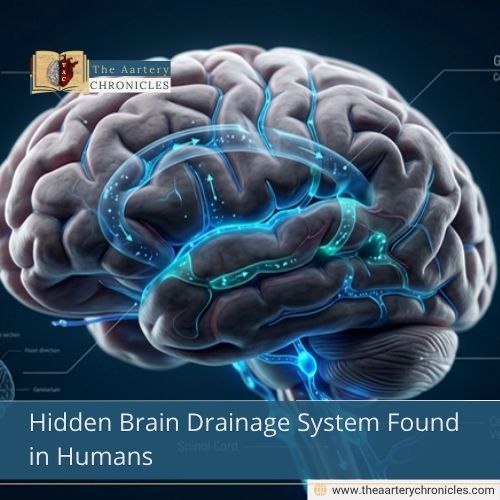
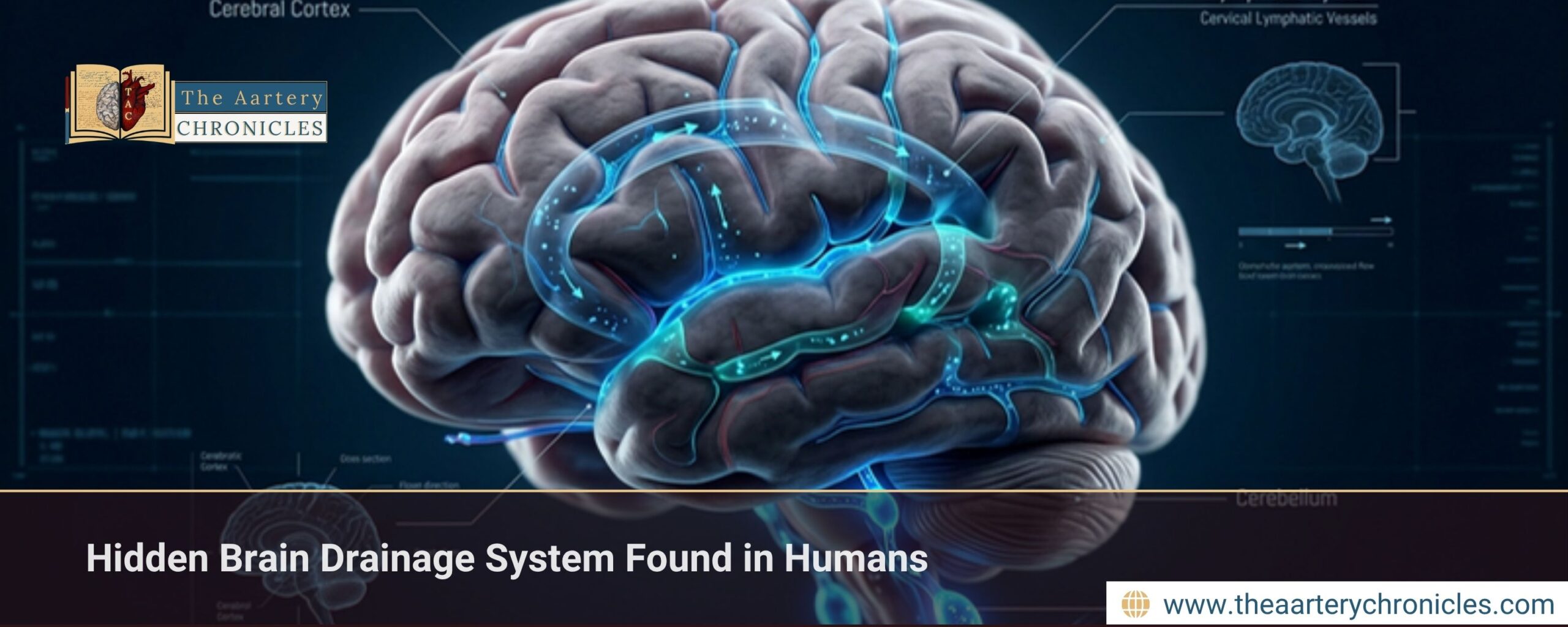
A hidden brain drainage system has been observed in action for the first time in living humans. This breakthrough could reshape how doctors and researchers understand brain health, aging, and conditions such as Alzheimer’s disease.
Scientists at the Medical University of South Carolina used advanced imaging to track how the brain clears waste. Their findings suggest that the brain may have a more organized and active cleaning system than previously believed.
A Closer Look at the Hidden Brain Drainage System
A hidden brain drainage system has been observed in action for the first time in living humans. This breakthrough could reshape how doctors and researchers understand brain health, aging, and conditions such as Alzheimer’s disease.
Scientists at the Medical University of South Carolina used advanced imaging to track how the brain clears waste. Their findings suggest that the brain may have a more organized and active cleaning system than previously believed.
Real Time Imaging Changes What We Know
To observe this process, scientists used advanced MRI technology originally developed to study how space travel affects the brain.
They monitored fluid movement in healthy volunteers over several hours. As a result, they captured clear evidence of slow moving fluid traveling along pathways near the brain’s protective layers.
Unlike blood, which flows quickly and responds to the heartbeat, this fluid moved in a calm and continuous manner. This key difference helped researchers confirm that they were observing a drainage process rather than circulation.
Rethinking the Brain’s Connection to the Body
The brain is surrounded by protective layers called the meninges. For many years, experts believed these layers separated the brain from the immune and lymphatic systems.
Now, that understanding is changing.
The study shows that lymphatic vessels exist within these layers and may serve as channels that carry waste out of the brain. From there, the waste likely enters the body’s broader lymphatic network for removal.
This new perspective suggests that the brain is more closely connected to the rest of the body than previously thought.
Biological Evidence Supports the Discovery
In addition to imaging, researchers examined human brain tissue in detail. They identified specific cell types that are typically found in lymphatic vessels.
This finding confirmed that the observed pathways are not part of the blood system. Instead, they belong to a true lymphatic network involved in waste clearance.
Together, the imaging and tissue analysis provide strong evidence for the existence of this hidden brain drainage system.
Why Healthy Brain Studies Matter
Importantly, the research focused on healthy individuals. This approach allows scientists to understand how the system works under normal conditions before studying disease.
By establishing a baseline, researchers can better detect early changes linked to illness. This could improve early diagnosis and prevention strategies.
What This Means for Alzheimer’s and Brain Disorders
The discovery may have major implications for conditions such as Alzheimer’s disease, brain injury, and age related cognitive decline.
If this drainage system becomes impaired, waste products could build up in the brain. Over time, this buildup may contribute to inflammation and neurodegeneration.
Therefore, understanding how the system works could open new paths for treatment. Researchers may be able to develop therapies that improve waste clearance or detect problems earlier.
Conclusion
Scientists are now studying how this system behaves in people with neurological diseases. Their goal is to identify early warning signs and design more effective treatments.
Although more research is needed, this discovery marks an important step forward. It not only improves our understanding of brain function but also offers hope for better management of complex brain disorders.
The discovery of a hidden brain drainage system provides a new way to think about brain health. As research continues, it could lead to earlier diagnosis and better treatment options for millions of people worldwide.
Source: Inputs from various media Sources

I’m a pharmacist with a strong background in health sciences. I hold a BSc from Delhi University and a pharmacy degree from PDM University. I write articles and daily health news while interviewing doctors to bring you the latest insights. In my free time, you’ll find me at the gym or lost in a sci-fi novel.
- Priya Bairagi
- Health News and Updates,People Forum
- 11 April 2026
- 13:00