
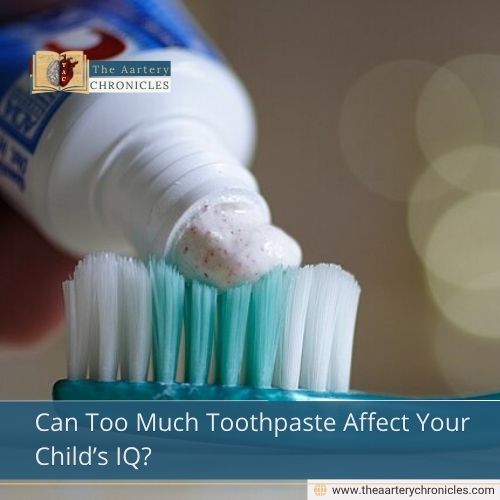
Can Too Much Toothpaste Affect Your Child’s IQ?
Every morning, parents help their children brush their teeth, trusting toothpaste to protect young smiles. This daily habit is important for dental health. However, a growing question is worrying many families: can excess toothpaste affect your child’s IQ? Recent research suggests that while fluoride is beneficial in the right amount, too much exposure over time may have unintended effects.
Why Fluoride Is Important for Children
Fluoride is a natural mineral found in water, soil, and many foods. Dentists widely recommend it because it strengthens tooth enamel and prevents cavities. In fact, the use of fluoride has significantly reduced tooth decay worldwide, especially in children.
Because of these benefits, fluoride is added to toothpaste and, in some regions, to drinking water. When used correctly, it remains one of the most effective methods for maintaining oral health.
When Fluoride Becomes a Concern
Although fluoride helps teeth, excessive intake can lead to health problems. For example, too much fluoride may cause:
- Dental fluorosis, which leads to white or brown stains on teeth
- Skeletal fluorosis, a more serious condition affecting bones and joints
Now, scientists are also studying whether high fluoride exposure could affect brain development in children.
Can Excess Toothpaste Affect Your Child’s IQ?
This is where concerns become more serious. Studies suggest that excessive toothpaste can affect your child’s IQ, which is not just a theoretical question.
Research from global health agencies indicates that high fluoride exposure, especially from drinking water above safe limits, may be linked to lower IQ scores in children. A large analysis of multiple studies found that increased fluoride levels in the body were associated with small reductions in IQ.
While the drop in IQ may seem minor, experts explain that even small changes can matter over time, especially at a population level.
Sustained drug release and antibacterial action
Despite the reduced strength, the medicated chips released chlorhexidine slowly over seven days. They also showed clear antibacterial activity against Porphyromonas gingivalis. In contrast, chips without the drug showed no such effect.
How Toothpaste Contributes to Fluoride Intake
Toothpaste alone is usually not dangerous. However, problems can arise when children regularly swallow it instead of spitting it out.
The real concern is combined exposure, which may include:
- Fluoride toothpaste
- Drinking water with high natural fluoride levels
- Certain foods and beverages
In countries like India, some regions naturally have higher fluoride levels in groundwater. This increases the total intake, especially in children.
What Parents Can Do to Stay Safe
The key is balance, not fear. Experts agree that fluoride remains safe and effective when used properly. To reduce risk:
- Use a rice-sized amount of toothpaste for children under three
- Use a pea-sized amount for children aged three to six
- Teach children to spit out toothpaste after brushing
- Supervise brushing to prevent swallowing
- Check local water fluoride levels if possible
These simple steps can significantly reduce unnecessary exposure.
Conclusion
Current evidence suggests that excessive fluoride exposure may have an impact, but toothpaste alone is rarely the cause.
When used correctly, fluoride toothpaste remains safe and essential for preventing cavities. The real goal is to avoid overexposure from multiple sources.
Parents do not need to panic. Instead, they should stay informed, use the right amount of toothpaste, and ensure children develop good brushing habits. Small precautions today can protect both dental health and overall well-being in the long run.
Source: Inputs from various media Sources

I’m a pharmacist with a strong background in health sciences. I hold a BSc from Delhi University and a pharmacy degree from PDM University. I write articles and daily health news while interviewing doctors to bring you the latest insights. In my free time, you’ll find me at the gym or lost in a sci-fi novel.
- Priya Bairagi
- Health News and Updates,People Forum
- 24 March 2026
- 09:00