

Indian PhD Couple Get $200,000 After US Campus Food Complaint
An Indian food smell discrimination case involving two doctoral students at the University of Colorado Boulder has drawn global attention to how cultural bias can deeply affect mental health, academic well-being, and immigrant safety in higher education. The university has agreed to pay $200,000 to settle the case, following allegations of racial discrimination and retaliation linked to an incident involving Indian food heated in a shared microwave.
What Sparked the Indian Food Smell Discrimination Case?
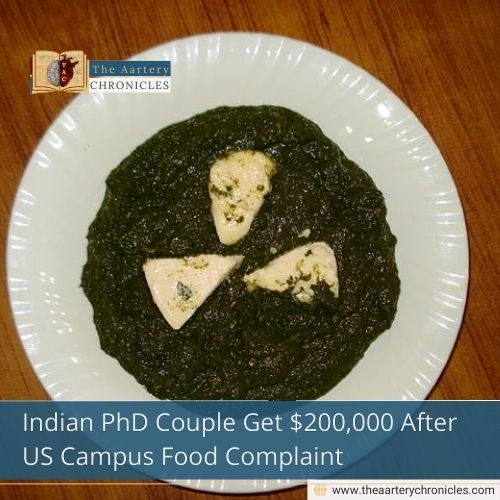
In September 2023, Aditya Prakash, a PhD student in anthropology, was warming his lunch, palak paneer, a common Indian dish, in a shared campus microwave. During this routine activity, a university staff member reportedly objected to the “smell” of the food and asked him to stop using the appliance.
Prakash calmly explained that he was only heating his meal and would leave shortly. However, what followed, according to the couple, was not a single misunderstanding but the beginning of a broader pattern of discriminatory behaviour.
Escalation and Emotional Distress
Soon after the incident, Prakash says he was repeatedly called into meetings with senior faculty. He was accused of making staff members “feel unsafe” and faced formal complaints through the university’s student conduct office.
From a mental health and well-being perspective, repeated scrutiny, power imbalance, and threats to academic standing can significantly increase stress, anxiety, and feelings of exclusion, especially for international students dependent on visas.
Partner Also Faces Alleged Retaliation
Prakash’s partner, Urmi Bhattacheryya, also a PhD candidate at the university, says she experienced similar treatment. After inviting Prakash to briefly speak about cultural bias in a class discussing ethnocentrism, Bhattacheryya claims she lost her teaching assistant role without explanation.
Later, when she and other students brought Indian food to campus, they were allegedly accused of provoking unrest. She described the discrimination as subtle but persistent, creating a climate of fear and uncertainty.
According to her, the bias was subtle rather than explicit, yet it sent a constant signal that their belonging was uncertain.
Health, Racism, and the Immigrant Experience
Experts note that food-based discrimination, often dismissed as trivial, can have serious psychological consequences. Food is closely tied to identity, comfort, and cultural belonging. When it becomes a target of ridicule or restriction, it can contribute to chronic stress, isolation, and burnout, recognised risk factors for depression and anxiety.
The Indian food smell discrimination case reflects how everyday bias can escalate into systemic harm, particularly within academic institutions where power dynamics are strong.
Legal Action and Settlement
In May 2025, the couple filed a federal civil rights lawsuit, alleging discrimination and retaliation. They argued that after raising concerns, the university intensified punitive actions instead of addressing the issue.
By September 2025, the university agreed to:
- Pay $200,000 in settlement
- Award both students their Master’s degrees
- Bar them from future enrolment or employment
Importantly, the university denied wrongdoing while choosing to settle.
Choosing Not to Return
By the time the settlement was finalised, both students had decided not to return to the United States. Prakash cited visa insecurity and emotional exhaustion as key reasons.
“Going back would mean entering the same system again,” he explained. “I want this case to demonstrate that food-based racism has serious implications.”
A university spokesperson stated that the institution followed its internal processes and remains committed to inclusivity, while denying legal liability.
Conclusion
This Indian food smell discrimination case underscores how institutional responses to bias can either protect or harm vulnerable populations. Universities are not just learning spaces; they are environments that shape mental health, safety, and long-term well-being.
As global student mobility grows, culturally sensitive policies and trauma-informed administrative practices are no longer optional; they are essential.
Discrimination does not need to be loud to be damaging. When everyday cultural practices like food are targeted, the psychological and academic costs can be profound. This case serves as a reminder that inclusion is a public health issue, not just a policy statement.
Source: Inputs from various media Sources

I’m a pharmacist with a strong background in health sciences. I hold a BSc from Delhi University and a pharmacy degree from PDM University. I write articles and daily health news while interviewing doctors to bring you the latest insights. In my free time, you’ll find me at the gym or lost in a sci-fi novel.
- Priya Bairagi
- Health News and Updates,People Forum
- 21 January 2026
- 15:00