
The Truth About Protein Timing and Muscle Growth
Protein has long been a cornerstone of good health. It helps build and repair muscles, supports hormones and enzymes, strengthens immunity, and plays a role in weight management. Recently, however, a new debate has gained attention in fitness and health circles: protein timing.
Many people wonder whether eating protein at specific times right after a workout, first thing in the morning, or before bed makes a real difference, or if simply meeting daily protein needs is enough.
What Is Protein Timing?
Protein timing refers to when you eat protein during the day. This could mean:
- Consuming protein immediately after exercise
- Spreading protein evenly across meals
- Having protein before going to sleep
The idea became popular because of the so-called “anabolic window,” a belief that muscles can only grow if protein is eaten right after a workout. Newer studies, however, suggest this window is much wider and far less critical than once thought.
What Research Really Shows About Protein Timing
Large reviews of research involving thousands of adults show that protein intake does help increase muscle mass and strength, but the exact timing doesn’t significantly change the results. People who ate protein right after workouts gained similar muscle compared to those who consumed it later in the day.
Even in studies involving older adults and women doing resistance training, results were nearly identical regardless of when protein was consumed.
What Matters Most: Amount and Quality
Experts now agree that total daily protein intake is far more important than protein timing. For most physically active adults, recommendations range from 1.4 to 2 grams of protein per kilogram of body weight per day.
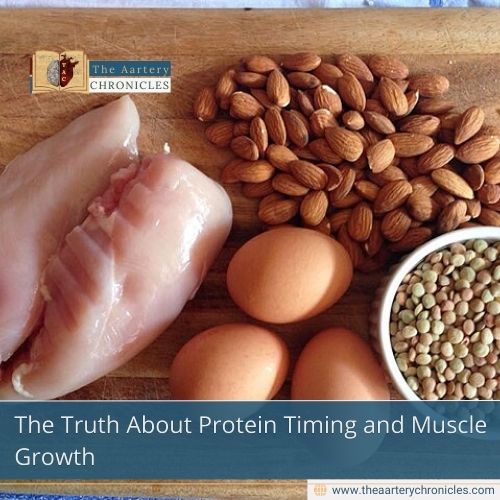
Equally important is protein quality. Foods such as lean meats, fish, eggs, dairy products, soy, legumes, and nuts provide essential amino acids that muscles need for repair and growth.
In short, hitting your daily protein target consistently matters much more than stressing about the clock.
When Protein Timing Can Still Help
- After Exercise: Eating protein within a couple of hours after a workout may support recovery, especially if you trained on an empty stomach or had not eaten for several hours.
- Spread Throughout the Day: Distributing protein evenly across meals helps maintain muscle health, keeps you feeling full longer, and supports steady energy levels.
- Before Bed: Slow-digesting proteins like casein taken at night may slightly improve overnight muscle repair. However, this benefit is modest compared to meeting overall daily protein needs.
Who May Benefit From Structured Protein Timing
- Older Adults: As we age, muscle loss becomes more common. Older adults benefit from spreading protein intake evenly across meals, aiming for 25–30 grams of protein per meal to support muscle maintenance and strength.
- Athletes and Strength Trainers: Athletes and weightlifters still benefit most from adequate daily protein intake combined with regular resistance training. Protein timing may help with recovery, but consistency and total intake remain the priority.
Conclusion
When it comes to protein timing, the big picture matters more than perfect scheduling.
- Meeting your daily protein needs
- Choosing high-quality protein sources
- Spreading protein across meals if it suits your lifestyle
- Including protein after workouts when practical
Rather than chasing exact timings, build a sustainable eating pattern that fits your routine. Doing this will help you support muscle health, manage hunger, and get the full benefits of protein without unnecessary stress.
In the end, protein timing can support your goals, but it’s your daily intake and consistency that truly make the difference.
Source: Inputs from various media Sources

I’m a pharmacist with a strong background in health sciences. I hold a BSc from Delhi University and a pharmacy degree from PDM University. I write articles and daily health news while interviewing doctors to bring you the latest insights. In my free time, you’ll find me at the gym or lost in a sci-fi novel.
- Priya Bairagi
- Health News and Updates,People Forum
- 7 January 2026
- 09:00