
Why India Has Restricted High-Dose Nimesulide Use
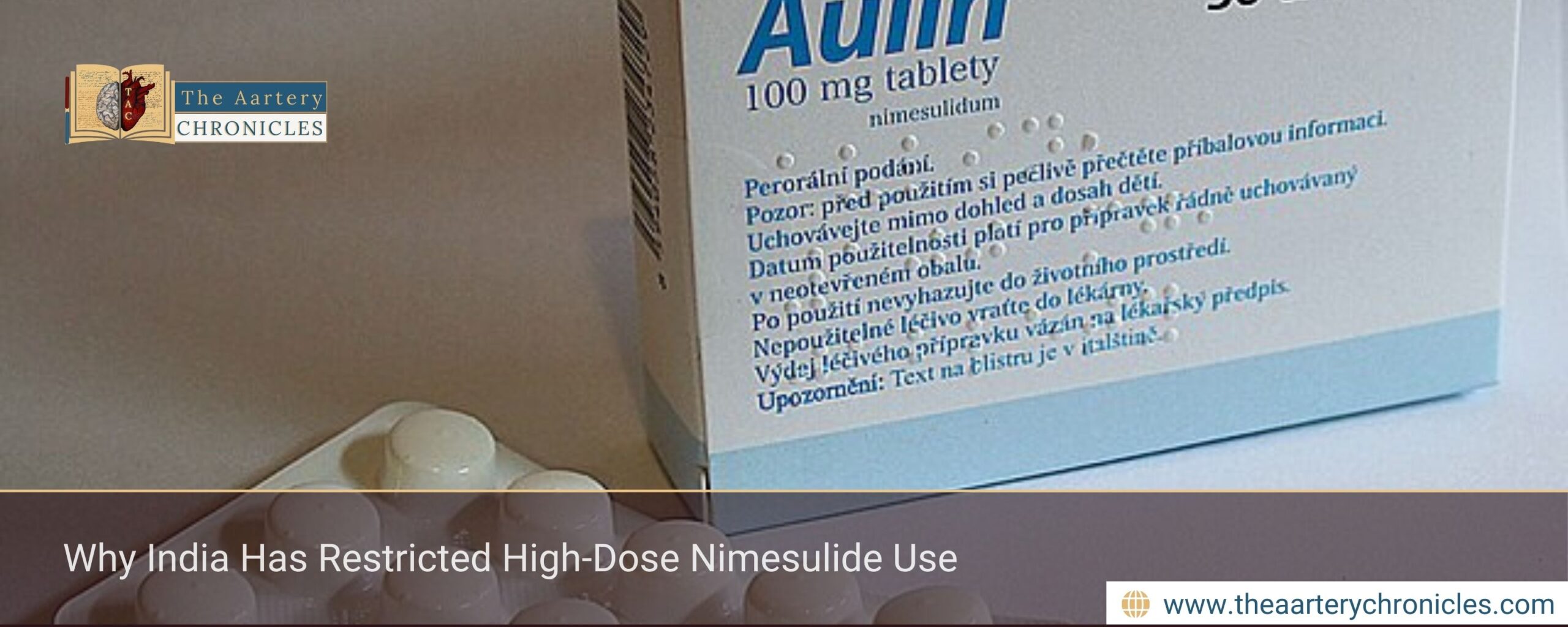
Nimesulide and liver toxicity have once again come into focus after India’s Union Health Ministry moved to restrict the use of this widely used pain and fever medicine. The decision reflects growing concern about patient safety and follows years of international debate over the drug’s potential to harm the liver.
The ministry has now banned the manufacture, sale, and distribution of oral formulations of Nimesulide above 100 mg in immediate-release form. This action was taken under Section 26A of the Drugs and Cosmetics Act, 1940, after expert review by the Drugs Technical Advisory Board.
What Is Nimesulide and Why Is It Commonly Used?
Nimesulide belongs to a group of medicines called non-steroidal anti-inflammatory drugs (NSAIDs). Doctors often prescribe NSAIDs to reduce pain, inflammation, and fever in conditions such as muscle pain, dental pain, and arthritis.
However, unlike many other NSAIDs, Nimesulide and liver toxicity have been closely linked in the medical literature. While many patients tolerate the drug without problems, rare but serious liver injury has been reported even after short-term use.
Why the Government’s Decision Matters
According to the Health Ministry, oral Nimesulide formulations above 100 mg in immediate-release form may pose an unacceptable risk to human health, especially when safer alternatives are already available.
In its official notification, the ministry stated that continued use of higher-dose formulations could endanger patients, prompting the need for stricter regulation. This step is part of a broader effort to improve drug safety standards and reduce preventable harm.
Earlier Restrictions: What Happened to Children?
Concerns around Nimesulide and liver toxicity are not new. Back in 2011, Indian authorities banned the use of Nimesulide in children under 12 years of age.
At the time, the government noted that:
- The drug had been linked to liver damage (hepatotoxicity)
- Children are more vulnerable to drug-induced liver injury
- Many countries had already stopped using Nimesulide in paediatric patients
This earlier ban highlighted long-standing worries about how the drug affects the liver, particularly in younger age groups.
What This Means for Patients and Doctors
The renewed focus on Nimesulide and liver toxicity serves as an important reminder that even commonly used painkillers are not risk-free. For patients, this highlights the need to:
- Avoid self-medication with high-dose painkillers
- Follow prescribed doses strictly
- Inform doctors about any liver problems or unusual symptoms
For doctors, the decision reinforces the importance of choosing safer NSAID alternatives, especially when long-term or repeated pain relief is needed.
Conclusion
India’s latest move aligns with international efforts to ensure that medicines on the market offer more benefit than risk. As scientific evidence evolves, regulatory decisions must adapt to protect public health.
Ultimately, the discussion around Nimesulide and liver toxicity is not just about one drug; it reflects a broader commitment to safer prescribing, informed patients, and evidence-based medicine.
Source: Inputs from various media Sources

Priya Bairagi
Copy-Writer & Content Editor
I’m a pharmacist with a strong background in health sciences. I hold a BSc from Delhi University and a pharmacy degree from PDM University. I write articles and daily health news while interviewing doctors to bring you the latest insights. In my free time, you’ll find me at the gym or lost in a sci-fi novel.
- Priya Bairagi
- Health News and Updates,People Forum
- 31 December 2025
- 15:40