In an era dominated by Instagram and YouTube, the resurgence of interest in health and fitness has become a cultural phenomenon. From the viral fitness challenges embraced by icons like Ankit Baiyanpuria to the wellness-filled reels of Nupur Shikhare’s weddings, society is witnessing a profound shift towards a healthier lifestyle. Amidst this trend, there’s a growing fascination with nutritious food and its impact on overall well-being. Did you know eating nutritious and healthy food was practised in ancient civilizations without technology and science? How? By Fermentation.
The spotlight is turning towards ancient practices like fermented foods in pursuit of a healthy lifestyle. Let’s delve into the numerous health benefits of incorporating these unique and flavorful foods into your diet.
Fermentation is an old, natural process. It involves bacteria, yeast, or other tiny organisms breaking down sugars and starches. The result? Food that tastes, feels, and nourishes differently!
"It is Marvellous of nature, how the tiniest beings are working to keep you healthy."
Why choose fermented foods?
1)They strengthen your immune system!
Loaded with probiotics, these foods supercharge antibody creation, boost nature’s killer cells, and kick out harmful pathogens. They help protect against infections, giving a big boost to overall immunity.
2) Want to lose weight?
Fermented foods could help. Some research suggests they make you feel fuller, curb your appetite, and play a role in managing gut hormones that help control metabolism.
3) Looking for nutrient-dense foods?
Fermented products are a treasure! They guard against oxidative stress and could potentially lower chronic disease risk.
10 Famous fermented foods from all over the world
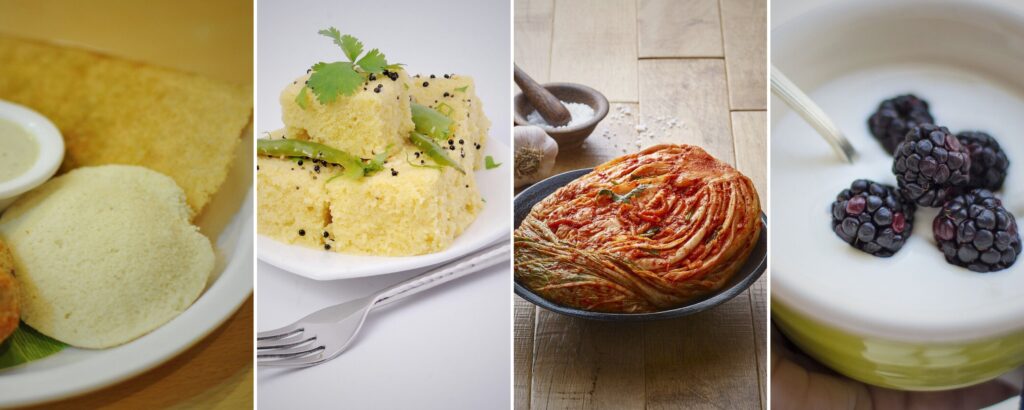
1) Idli and Dosa
Most popular and loved South Indian delicacy in India. They are often termed Indian rice cakes and Indian pancakes. It is prepared by fermenting the rice and Black lentil paste overnight to obtain a fermented mixture.
Idli can be prepared by steaming the small portions of the fermented batter in an idli cooker and for dosa, you can fry the batter like pancakes.
Image source: Pixabay
2) Dhokla
Dhokla is the famous breakfast of the Gujarati people in India. It is prepared by fermented batter of rice and chickpea flour. After that, it is steamed, which results in soft and spongy cake.
3) Kimchi
This Korean dish is quite famous on the internet. It is prepared by fermenting the napa cabbage in a mixture having chili pepper, garlic, ginger, and other spices.
4)Yogurt
Yogurt is a fermented milk product, and its creamy texture makes this drink the most loved worldwide drink.
"For those health-conscious freaks out there, stop purchasing expensive stuff on markets.
Your "Idly & Dosa" can give you that! Wanna be on trend, try "Kimchi" instead.
Fermented foods are health beneficial traps now!"
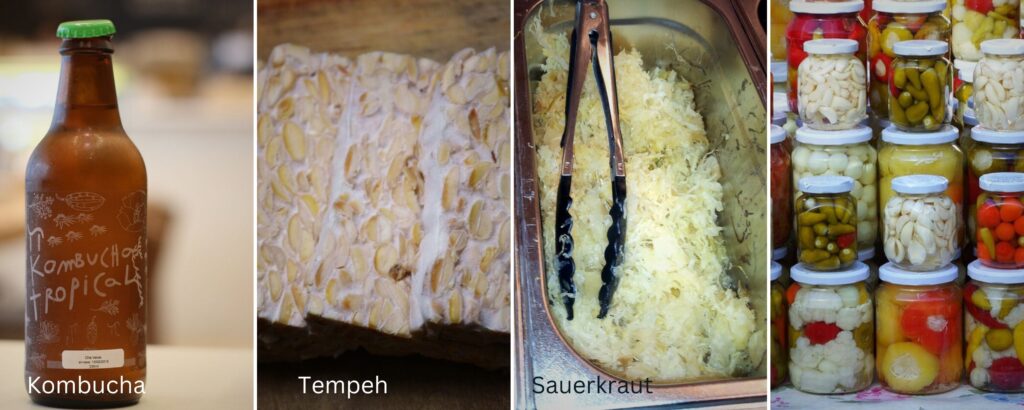
5)Kombucha
Known as China’s classic beverage, it also goes by tea fungus or mushroom tea. Its creation involves letting sweet tea ferment with a mix of bacteria and yeast, often referred to as SCOBY. The final product is a mildly sparkling drink that usually has a vinegar-like flavour.
Image source: Pixabay
6) Tempeh
Tempeh is a traditional Indonesian food prepared through controlled fermentation of soybeans, resulting in a nutty flavor and firm texture. It is highly proteinaceous.
7) Pickles
In Hindi, it is called achar. It is an integral part of Indian cuisine. It is consumed worldwide too. They are loved for their sweet, sour, and tangy taste.
Pickles are prepared by preserving fruits, vegetables, or even fish/meat along with spices, oil, vinegar, or lemon juice.
8)Sauerkrat
Sauerkrat is the national dish of Germany.
It is prepared by the lactic acid fermentation of raw cabbage, which gives a sour taste.
9) Kanji Vada
It Is a traditional Rajasthani recipe prepared by soaking lentils in mildly spicy fermented mustard curry( for vada).
Kanji is made with black carrots, mustard seeds, and water, which is left for fermentation for a few days which results in a tangy and slightly spicy flavor.
10) Fermented bamboo shoots
In Northeast India, Nepal, Bhutan, and Thailand, people love fermented bamboo shoots.
They’re made by first peeling fresh bamboo. Next, it’s cut into small pieces, boiled, and then left in the water to ferment for a few days.
"Tap into ancient wisdom for modern wellness; ferment your journey to fitness and health, nurturing a gut feeling of vitality through the transformative power of probiotics."
Eating fermented food can be good for you, but be careful.
If not done right, these foods might house harmful bacteria that make you sick.
During cooking, use clean tools and dishes.
Keep your eye on the clock when fermenting, too long may lead to bad taste or ruined food.
Those with weak immune systems, pregnant ladies, and little kids need to be extra careful. For these folks, unsafe food can be extra risky.
Start with small amounts to see how your body reacts. Some might feel an upset stomach.
Conclusion
Fermented foods have numerous health benefits, however, they should be consumed in moderation, and awareness about their potential risks is required. Caution must be practiced when handling and storing fermented foods to prevent contamination. If you are unsure, ask a health expert. Fermented foods bring health bonuses, but they must be made and eaten properly to get their benefits.