6 Signs Your Childhood Trauma Still Affects You
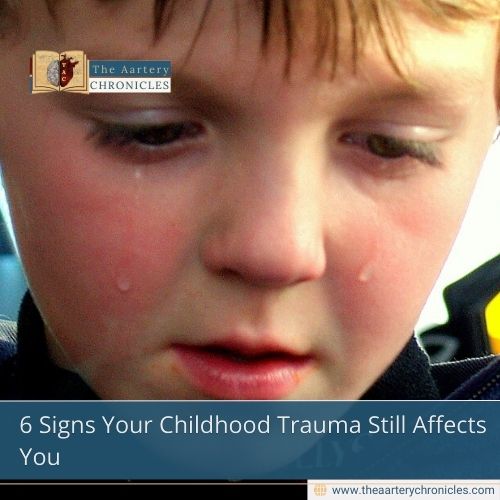
When it comes to emotional wounds from early life, time alone does not always heal them. In fact, the signs your childhood trauma is affecting you as an adult can quietly appear in your thoughts, feelings, and daily behaviour, often without your awareness. Painful childhood experiences can leave lasting marks on the brain and body, shaping how you respond to stress, relationships, and even everyday situations.
Understanding Childhood Trauma and Its Long-Term Impact
Childhood trauma is not just about big, dramatic events. It can also involve ongoing stress, neglect, unsafe environments, or emotional harm. When children grow up in threatening or unpredictable situations, their developing brains learn survival strategies to stay safe.
While these coping mechanisms may protect a child at the time, they can become problematic in adulthood. Trauma responses go beyond the commonly known “fight-or-flight” reaction. Other responses include freeze (shutting down emotionally or mentally) and fawn (pleasing others to avoid conflict).
There are more than 20 recognised symptoms of Post-Traumatic Stress Disorder (PTSD), grouped into four main categories:
- Intrusive thoughts (unwanted memories or flashbacks)
- Avoidance (steering clear of reminders)
- Negative changes in mood and thinking
- Increased physical and emotional reactivity
Not everyone who experiences trauma develops PTSD. The National Institute of Mental Health estimates that about half of all U.S. adults will face at least one traumatic event, but only a portion develop the disorder.
However, studies show that difficult childhood experiences can trigger long-term mental and physical health problems. Researchers from the University of Georgia found that harmful environments in early life can trigger a chain of health issues later in life.
Signs Your Childhood Trauma Is Affecting You as an Adult
1. Strong Startle Reaction :
You may jump or feel panicked when you hear sudden noises, even if the sound is harmless. This is linked to an overactive stress response system.
2. People-Pleasing Tendencies :
You might constantly try to make others happy, even at your own expense. This often comes from deep feelings of unworthiness or fear of rejection.
3. Risky Behaviour or Overspending :
Some adults seek excitement or distraction through impulsive spending, substance use, or dangerous activities. This can be a way to escape emotional discomfort.
4. Hypervigilance :
You may always feel on edge, as if something bad is about to happen. Your mind and body stay in “alert mode,” even in safe environments.
5. Alcohol Misuse :
Using alcohol to relax or numb emotions may be connected to trying to calm your nervous system after being triggered by memories or stress.
6. Intense Anger Outbursts :
Small inconveniences can lead to big emotional reactions because your brain perceives them as serious threats.
These signs that your childhood trauma is affecting you as an adult can interfere with daily functioning and personal relationships.
How Trauma Affects Relationships and Communication
A 2025 study by Penn State researchers found that people experiencing PTSD symptoms often struggle with communication and conflict resolution in romantic relationships. This can lead to misunderstanding, emotional distance, and repeated arguments.
Trauma doesn’t just affect the individual; it can also shape the tone and stability of close connections.
Conclusion
Recognising the signs that your childhood trauma is affecting you as an adult is the starting point of healing. With awareness, you can begin to explore healthier coping methods and, if needed, seek help from mental health professionals such as therapists, psychologists, or psychiatrists.
Healing is not about “forgetting the past.” It is about understanding how it shaped you and learning new ways to respond to the present. Support, therapy, mindfulness, and trauma-informed care can all play an important role in recovery.
Source: Inputs from various media Sources

I’m a pharmacist with a strong background in health sciences. I hold a BSc from Delhi University and a pharmacy degree from PDM University. I write articles and daily health news while interviewing doctors to bring you the latest insights. In my free time, you’ll find me at the gym or lost in a sci-fi novel.
- Priya Bairagi
- Health News and Updates,People Forum
- 1 December 2025
- 09:00