22-Year-Old Woman Dies After Rare Allergic Reaction
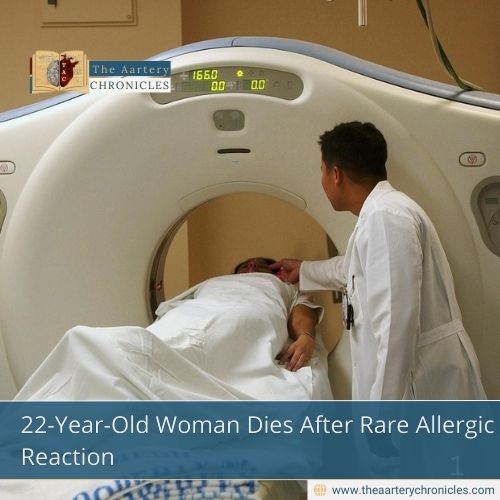
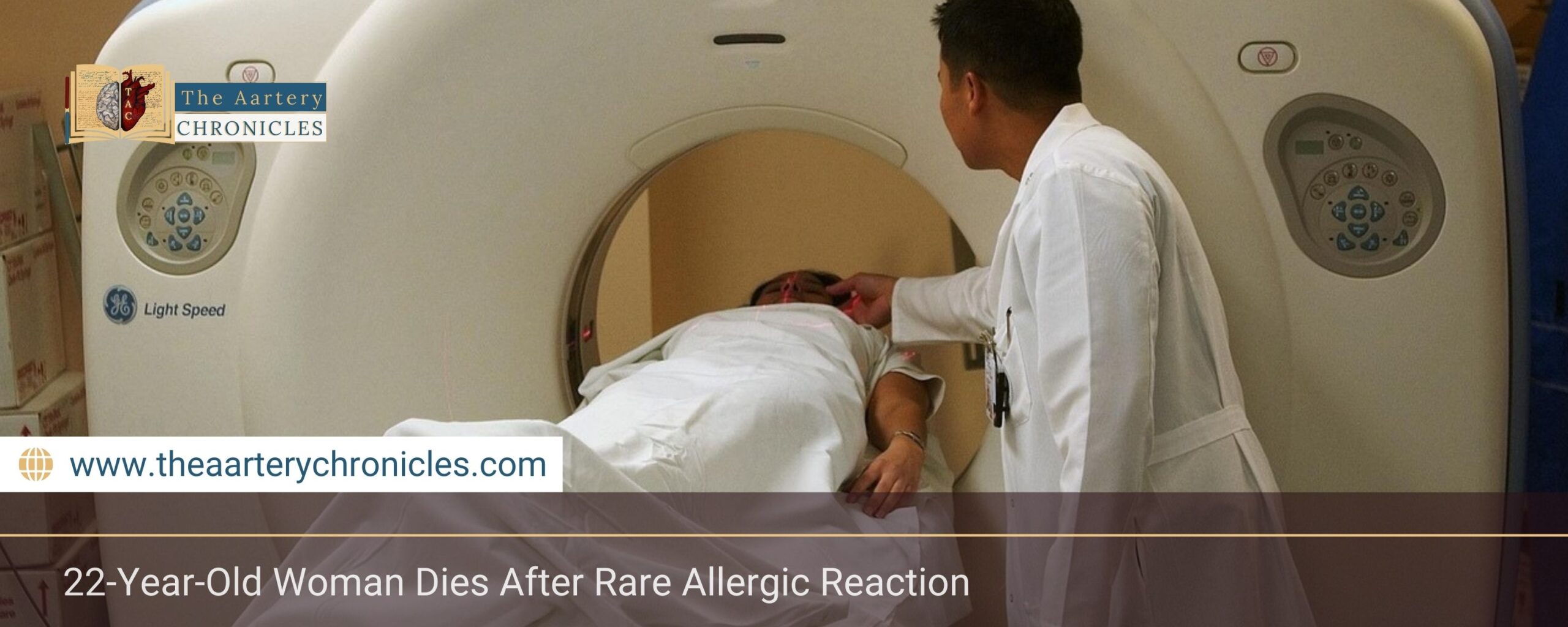
A tragic case in Brazil has highlighted the rare but serious risks linked to medical contrast agents. Leticia Paul, a 22-year-old lawyer from Lontras, underwent a CT scan with contrast on August 20, 2025, at Alto Vale Regional Hospital in Rio do Sul. Soon after receiving the injection, she suffered anaphylactic shock, a severe and sudden allergic reaction. Despite being intubated and placed under intensive care, she passed away less than 24 hours later.
This finding highlights the need to recognise and treat eating disorders in young people from all backgrounds, not just those from wealthier families.
What Happened During the CT Scan?
Paul, who had a history of kidney stones, was scheduled for what should have been a routine scan. Doctors used a contrast agent, an iodine-based dye commonly given to make blood vessels and organs more visible in imaging. While most patients tolerate it well, in very rare cases, it can trigger dangerous allergic reactions. Unfortunately, Paul developed an immediate and life-threatening response. Medical teams acted quickly with emergency procedures, but her condition continued to worsen, and she died the following day.
Understanding Anaphylactic Shock
Anaphylactic shock, often simply called anaphylaxis, is a critical medical emergency. Unlike mild allergies that may cause sneezing or skin irritation, this reaction involves the entire body. The immune system releases large amounts of chemicals such as histamine, causing blood vessels to widen and airways to narrow. As a result, symptoms like throat swelling, chest tightness, hives, dizziness, and a rapid heartbeat can appear within minutes. In severe cases, blood pressure can drop so suddenly that the person collapses or loses consciousness.
Without rapid treatment usually an injection of epinephrine (adrenaline), anaphylaxis can be fatal. That is why immediate medical attention is crucial whenever such symptoms appear after exposure to potential triggers like foods, insect stings, medications, or contrast dyes.
Why Are Contrast Agents Used?
Contrast agents are special substances designed to make medical imaging more accurate. During CT scans, they highlight specific organs, blood vessels, or tissues so doctors can better detect blockages, tumours, infections, or internal bleeding. Depending on the test, the contrast may be given intravenously, by mouth, or, less commonly, as an enema.
For most people, side effects are mild, such as a warm sensation, metallic taste, or slight nausea. However, as seen in this tragic case, rare but severe reactions can occur. These can range from skin rashes to full anaphylactic shock, making it important for patients and medical staff to be aware of any history of allergies or past reactions before undergoing the procedure.
Conclusion
While CT scans with contrast are valuable diagnostic tools, this incident underscores the importance of monitoring for allergic reactions. Anaphylactic shock, though rare, can progress rapidly and must be treated as a medical emergency. Patients are encouraged to discuss any known allergies or previous adverse reactions with their healthcare provider before receiving contrast agents.
Source: Inputs from various media Sources

I’m a pharmacist with a strong background in health sciences. I hold a BSc from Delhi University and a pharmacy degree from PDM University. I write articles and daily health news while interviewing doctors to bring you the latest insights. In my free time, you’ll find me at the gym or lost in a sci-fi novel.
- Priya Bairagi
- Health News and Updates,People Forum
- 25 August 2025
- 15:00