
Why Are Indians Not Eating Enough Whole Grains?
A recent study shows that poor whole grain intake among Indians is closely tied to the rising burden of lifestyle diseases such as diabetes and obesity. Despite India’s rich agricultural diversity, most people are not consuming enough whole grains, which play a vital role in maintaining metabolic health.
Indians eating far less whole grains than recommended
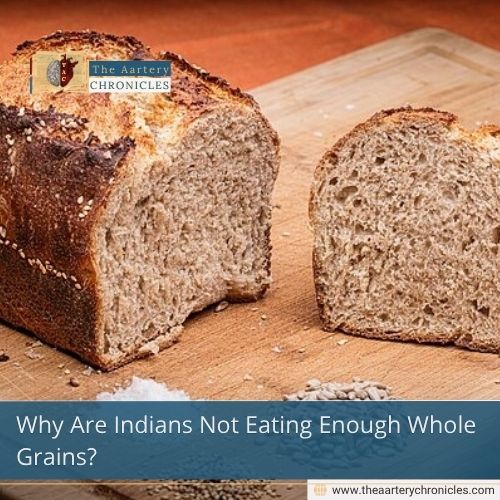
According to a recent white paper, Indians consume only about 42 grams of whole grains per day. In contrast, the recommended intake is around 125 grams daily. This means that whole grains make up barely 10 percent of the average total grain consumption.
As a result, diets are increasingly dominated by refined grains. These are commonly found in polished rice, white flour products, and processed foods. While they may be convenient, they lack essential nutrients.
Why poor whole grain intake among Indians is a concern
Whole grains contain the bran and germ, which are rich in fibre, vitamins, and minerals. However, food processing removes these components, leaving behind mostly starch.
Because of this, refined grains become calorie dense but nutritionally weak. Over time, such dietary patterns contribute to:
- Obesity
- High blood pressure
- Type 2 diabetes
- Heart related conditions
Moreover, the lack of fibre affects digestion and blood sugar control, making metabolic diseases more likely.
India has the resources but lacks awareness
Interestingly, India grows more than 20 varieties of millets and other whole grains. These include nutrient rich options that can easily improve dietary quality.
However, people are shifting away from these traditional foods. Changing lifestyles, urban habits, and limited awareness are key reasons behind this trend.
As the report highlights, the issue is not availability but adoption.
What experts suggest to improve whole grain intake
To address poor whole grain intake among Indians, experts recommend a combination of public health and dietary strategies:
- Promote fortified whole grain flours
- Encourage use of digital tools for healthy recipes
- Provide nutrition counselling, especially for women and vulnerable groups
- Conduct community level awareness programs
- Support ongoing research on long term health benefits
In addition, policymakers need to treat nutrition as a central public health priority rather than a secondary concern.
Conclusion
Improving poor whole grain intake among Indians is not just about changing diets. It is about preventing chronic diseases that are placing a heavy burden on individuals and the healthcare system.
Simple steps such as choosing whole wheat over refined flour, adding millets to meals, and increasing fibre intake can make a meaningful difference.
Ultimately, restoring whole grains to the daily diet may be one of the most practical and effective ways to improve the nation’s health.
Source: Inputs from various media Sources

I’m a pharmacist with a strong background in health sciences. I hold a BSc from Delhi University and a pharmacy degree from PDM University. I write articles and daily health news while interviewing doctors to bring you the latest insights. In my free time, you’ll find me at the gym or lost in a sci-fi novel.
- Priya Bairagi
- Health News and Updates,People Forum
- 1 April 2026
- 11:00