
Study: Chimpanzees Use Medicinal Plants to Treat Injuries
Observational Study on Wild Chimpanzees
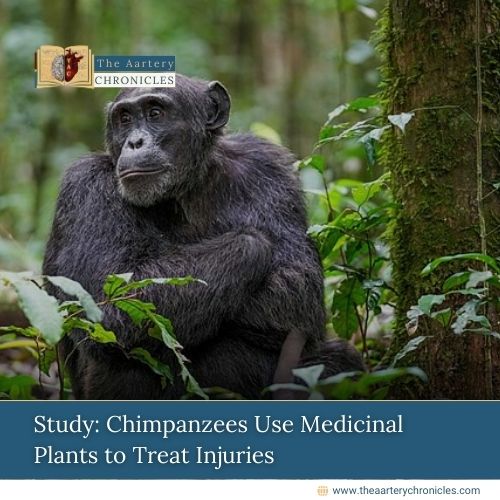
Researchers from the University of Oxford and other institutions observed 51 wild chimpanzees in Uganda’s Budongo Central Forest Reserve. They aimed to determine if chimpanzees intentionally use medicinal plants to treat their ailments or if they consume them incidentally.
Key Observations
During the study, a male chimpanzee with an injured hand was seen eating the leaves of a fern, possibly to reduce pain and swelling. Another chimpanzee with a parasitic infection was noted consuming the bark of a cat-thorn tree (Scutia myrtina).
Testing Plant Properties
The researchers tested extracts from various tree and herb species suspected to be used by the chimpanzees for self-medication. These plants, not typically part of the chimpanzees’ regular diet, were analyzed for their anti-inflammatory and antibiotic properties.
Significant Findings
- Antibacterial Properties: 88% of the plant extracts showed antibacterial properties, effectively inhibiting bacterial growth.
- Anti-inflammatory Properties: 33% of the plants demonstrated anti-inflammatory effects.
Noteworthy Plants
- Alstonia boonei (Dogbane Family): Exhibited the strongest antibacterial activity and significant anti-inflammatory properties, suggesting its potential use in treating wounds.
- Khaya anthotheca (East African Mahogany): Bark and resin showed potent anti-inflammatory effects.
- Christella parasitica (Fern): Leaves demonstrated strong anti-inflammatory properties.
Implications for Medicine
The study suggests that chimpanzees intentionally seek out specific plants for their medicinal benefits. This behavior provides valuable insights into potential new drugs for combating antibiotic-resistant bacteria and chronic inflammatory diseases. The researchers emphasized the importance of protecting forest habitats, which serve as natural pharmacies for animals and humans.
Conclusion
By studying the self-medicating behaviors of chimpanzees, scientists can accelerate the discovery of novel medicines. This research underscores the interconnectedness of wildlife and human health, highlighting the critical need to preserve natural ecosystems.
Source: Inputs from various media Sources