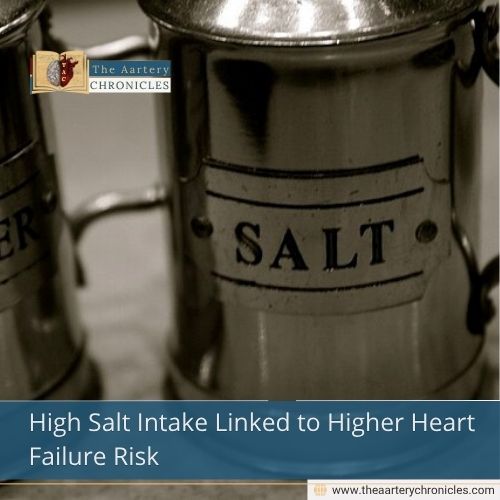

High Salt Intake Linked to Higher Heart Failure Risk
A new study highlights a serious concern about high sodium intake heart failure risk, showing that regularly consuming too much salt may quietly increase the chances of developing heart failure over time.
Researchers from Vanderbilt University Medical Center found that people who consume around 4,200 milligrams of sodium daily face a 15 percent higher risk of developing heart failure compared to those who stay within recommended limits.
What the study revealed
The research followed more than 25,000 adults, mainly from Black and low income communities in the southeastern United States. Over time, scientists observed a clear pattern: higher salt intake was directly linked to new cases of heart failure.
On average, participants consumed about 4,269 milligrams of sodium each day. This is almost double the recommended daily limit of 2,300 milligrams.
Importantly, the high sodium intake heart failure risk remained significant even after accounting for other factors such as:
- Overall diet quality
- Calorie intake
- Blood pressure levels
- Cholesterol levels
- Socioeconomic conditions
This means sodium itself played an independent role in raising the risk.
Why sodium matters for heart health
Sodium affects how the body manages fluid balance. When intake is too high, the body retains more water. As a result, the heart has to work harder to pump blood.
Over time, this extra strain can weaken the heart muscle and lead to heart failure, a condition where the heart cannot pump blood effectively.
Small changes can make a big difference
Although reducing salt intake may seem challenging, researchers emphasize that even modest improvements can lead to meaningful health benefits.
For example, lowering daily sodium intake to about 4,000 milligrams could:
- Reduce heart failure cases by about 6.6 percent over 10 years
- Prevent thousands of deaths
- Save nearly 2 billion dollars annually in healthcare costs
This shows that addressing high sodium intake heart failure risk does not require drastic changes to start seeing benefits.
Barriers to healthier eating
However, experts point out that reducing sodium is not always easy. Many people in high risk communities face real challenges such as:
- Limited access to fresh and healthy foods
- Heavy reliance on processed or packaged meals
- Transportation difficulties to reach better grocery options
Because of this, researchers stress the need for broader public health efforts. Improving food availability and affordability will be essential in helping people make healthier choices.
A growing public health concern
Heart failure remains a major health burden, causing hundreds of thousands of deaths each year in the United States alone. With nearly one million new cases annually, prevention is critical.
This study reinforces a key message: managing sodium intake is a practical and powerful step toward protecting heart health.
What you can do
To lower your personal risk:
- Check nutrition labels for sodium content
- Limit processed and packaged foods
- Cook more meals at home using fresh ingredients
- Choose low sodium or no added salt options
Even gradual changes can help reduce high sodium intake heart failure risk and support long term heart health.
Conclusion
Excess salt consumption is more than just a dietary concern. It is a measurable risk factor for heart failure. While individual choices matter, wider community and policy level changes are equally important to make healthier eating possible for everyone.
Source: Inputs from various media Sources

I’m a pharmacist with a strong background in health sciences. I hold a BSc from Delhi University and a pharmacy degree from PDM University. I write articles and daily health news while interviewing doctors to bring you the latest insights. In my free time, you’ll find me at the gym or lost in a sci-fi novel.
- Priya Bairagi
- Health News and Updates,People Forum
- 27 March 2026
- 13:04