
Everything You Need to Know About Hair-Pulling Disorder - Trichotillomania
Summary: Trichotillomania is a mental illness that makes people pull their hair out over and over again, which causes noticeable hair loss and emotional pain. This article talks about what trichotillomania is, what its signs are, what causes it, and what treatments are available. It also examines whether trichotillomania can lead to permanent hair loss and emphasises the importance of getting diagnosed and treated early for better results.
Did you know that as many as 1–2% of people may pull their hair out compulsively at some point in their lives, often without saying anything?
Understanding what trichotillomania means is important because this condition is more than just a habit; it is a mental health disorder that doctors recognize. This article will help you learn about trichotillomania, including what it is, what its symptoms are, what causes it, what treatments are available, and what the long-term effects are, such as whether it can cause permanent hair loss.
What is the condition called Trichotillomania? Getting to Know the Disorder
People with trichotillomania have a mental illness that makes them want to pull out their own hair over and over again.
This behaviour often leads to visible hair loss and emotional distress.
Pulling hair usually hurts the scalp, eyebrows, and eyelashes. It can happen on purpose (focused pulling) or by accident (automatic pulling), and it usually happens when someone is stressed, bored, or doing something they do all the time.
This is not just a bad habit; it is a compulsive behaviour that can be hard to stop, even when the person knows what will happen.
“Some people with trichotillomania may pull hair in a “focused” or “automatic” way. That’s why recognizing patterns is an important part of treatment.”
Trichotillomania Symptoms You Should Not Ignore
Recognizing the signs of trichotillomania early on can make a big difference in the outcome. Physical signs and emotional problems are both signs of the disease:
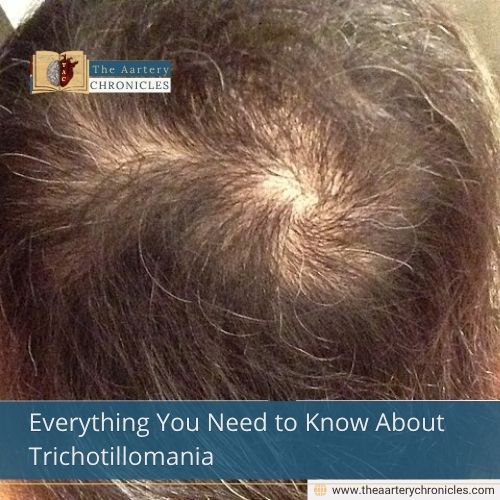
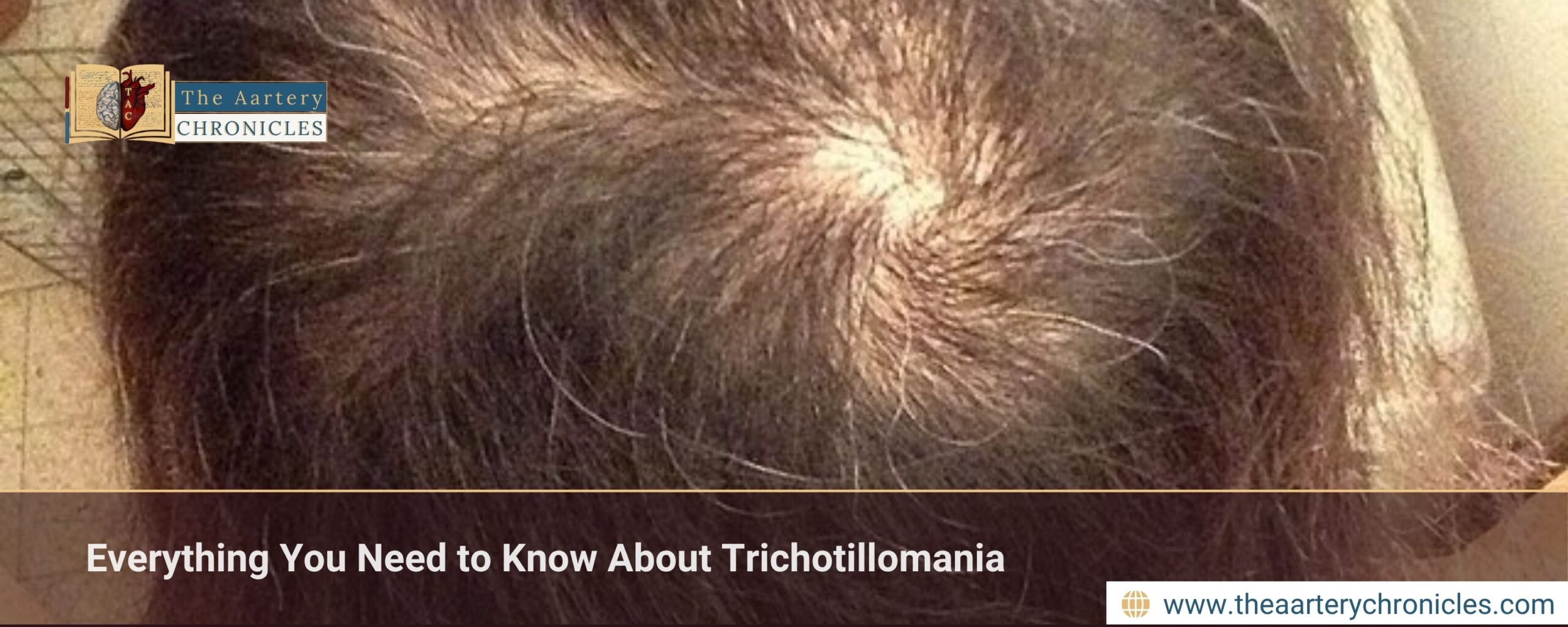
1. Hair loss that can be seen: Repeated pulling can cause bald spots or uneven hair thinning on the scalp, eyebrows, or eyelashes.
2. Strong Need to Pull Hair: People often feel a strong and uncontrollable need to pull their hair.
3. Cycle of Tension and Relief: A lot of people feel tense or uncomfortable before pulling and then feel better for a short time.
4. Hiding the Behaviour: People might hide their hair-pulling habit because they are embarrassed or afraid of being judged.
5. Effects on emotions and social life: The condition can hurt self-esteem, relationships, and how well you do everyday things.
Trichotillomania Causes: Why Does It Happen?
The exact trichotillomania causes remain unclear, but research shows a multifactorial origin:
- Emotional Triggers: Stress, anxiety, boredom, or frustration may trigger hair-pulling as a coping mechanism.
- Behavioural Conditioning: What begins as occasional pulling can evolve into a repetitive habit over time.
- Genetic Predisposition: A family history of mental health disorders or impulse-control issues may increase susceptibility.
- Associated Mental Health Conditions: Trichotillomania often coexists with conditions like anxiety, depression, or obsessive-compulsive tendencies.
In many cases, there is no single cause; rather, a combination of biological, psychological, and environmental factors contributes to its development.
Trichotillomania Effects: Can It Cause Permanent Hair Loss?
One of the major trichotillomania effects is damage to hair follicles due to repeated trauma.
Can Trichotillomania Cause Permanent Hair Loss?
The answer depends on duration and severity:
- Early-stage cases: Hair may regrow once pulling stops
- Chronic cases: Repeated damage can lead to scarring and follicle destruction
- Severe cases: Hair regrowth may be slow, uneven, or permanently limited
This highlights why early intervention is critical. Timely care can reduce long-term physical damage and emotional burden.
Trichotillomania Treatment: Evidence Based Approaches
Effective trichotillomania treatment focuses on addressing both behaviour and underlying triggers.
- Cognitive Behavioural Therapy (CBT)
CBT, especially habit-reversal training (HRT), is the gold standard. It helps individuals:
- Identify triggers
- Develop alternative behaviours
- Build awareness of pulling patterns
- Psychological Counselling
Counselling supports emotional regulation and addresses stress, anxiety, or trauma-related triggers.
- Stress Management Techniques
Relaxation exercises, mindfulness, and structured routines can reduce urge intensity.
- Pharmacological Support
In some cases, medications may be prescribed, particularly when coexisting conditions like anxiety or depression are present.
Treatment plans vary depending on severity, duration, and individual triggers, making personalised care essential.
Conclusion
Understanding the trichotillomania meaning is the first step toward effective management. This condition is not a matter of willpower it is a mental health disorder requiring structured support.
With early diagnosis, appropriate therapy, and consistent care, individuals can significantly reduce symptoms and improve their quality of life.
If you or someone you know is experiencing symptoms of trichotillomania, consider seeking professional guidance early. Awareness and timely intervention can make a meaningful difference.