Amyotrophic Lateral Sclerosis (ALS): All that you need to know!
Kenneth Mitchell, a Canadian actor, died at the age of 49 from Amyotrophic Lateral Sclerosis (ALS), a neurological disease. Mitchell, best known for his portrayal as Joseph Danvers in Captain Marvel, has left a legacy as a cherished father, husband, brother, uncle, son, and friend to many, according to an announcement on his verified Instagram account. Mitchell’s family released a statement expressing their deep sadness, commemorating his valiant fight against ALS over five and a half years. Despite encountering multiple hurdles, Mitchell embraced each one with elegance and a firm determination to live life to its utmost. His death brings to a close a wonderful life marked by tenacity and the long-lasting ties he formed with those around him. He leaves a legacy that many will remember and appreciate.
What is Amyotrophic lateral sclerosis (ALS)?
Amyotrophic lateral sclerosis (ALS) is a neurological condition that impacts the nerve cells in the spinal cord and brain.[2] The word Amyotrophic has been derived from the Greek language where Myo means muscles, A means no, and trophic refers to nourishment which concludes to amyotrophic meaning “no nourishment of muscles” [1]
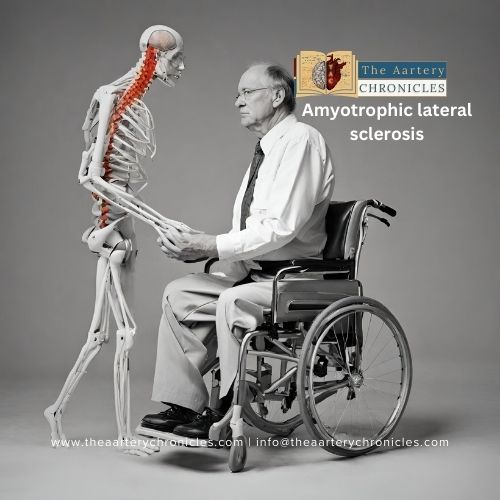
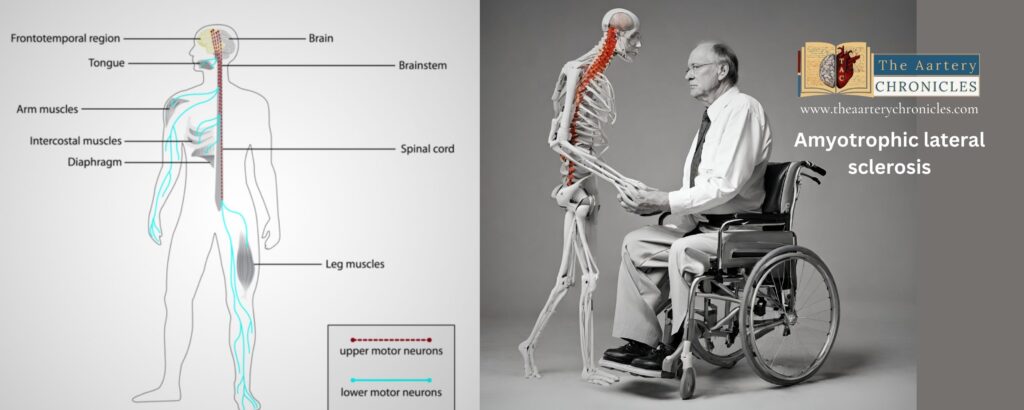
Amyotrophic lateral sclerosis (ALS) is a neurological condition that impacts the nerve cells in the spinal cord and brain.[2] The disease causes the nerve cells in the upper and lower parts of the body to stop functioning and gradually die. The nerve cells lose the capacity to activate certain muscles causing them to weaken and eventually leading to paralysis. [3] ALS is also called Lou Gehrig’s disease after an American baseball player was diagnosed with the disease.
Causes of ALS
The exact cause of the condition is not known yet. However, a few key findings suggest that various factors may contribute to the disease.
Environmental factors: Environmental factors associated with the increased risk of ALS include exposure to specific chemicals and metals such as β-N-methylamino-L-alanine (BMAA), viral infections, intense exertion, traumatic injuries, military service, and exposure to environmental toxins. [5]
Cellular Mechanisms: Molecular mechanisms such as excitotoxicity, oxidative stress, protein balance dysfunction, mitochondria dysfunction, and neuroinflammation cause damage to the motor neurons in the spinal cord and brain. These anomalies can potentially cause ALS. [4]
Genetics: A few rare cases show evidence of ALS inheritance. Over 25 genes are associated with the disease and around 10% of ALS cases are hereditary. A dominant pattern of inheritance is seen in most hereditary cases, but an X-linked or recessive pattern is also noticed. [4]
Symptoms of ALS
The symptoms of ALS may vary from individual to individual. Most often ALS manifests with weakness in the legs and arms with muscle twitching and swallowing. [6] This, later, advances to progressive symptoms including:
Uncontrollable intervals of crying and laughing
Difficulty in voice projecting
Persistent fatigue
Issue with balance leading to falling and tripping
Loss of motor control
Arms and leg impairment
Cramps in the muscles of feet and arms
A few most severe symptoms include difficulty in breathing, swallowing, and paralysis. [6] [7]
Management of Amyotrophic lateral sclerosis (ALS):
There is no definitive test that examines ALS. Physicians use a series of tests to confirm the diagnosis of ALS which include:
Physical examinations
Imaging studies such as MRI of the brain and spinal cord
Urine and blood tests
Biopsy of the muscles
Electrodiagnostic tests [5]
Also, there is no definitive cure for ALS as of now. ALS treatments help with the managementof symptoms and improve the quality of life to some extent.
Therapies: Therapies such as speech, occupational, and physical can improve independence and safety.
Supportive care: All-around care including nutritional, therapeutic, physical, mental health, and dietary care tailored to the individual needs offers comprehensive care and helps with the management of ALS symptoms.
Medications: Drugs such as Edaravone and Riluzole alleviate symptoms and help extend survival. [5]