
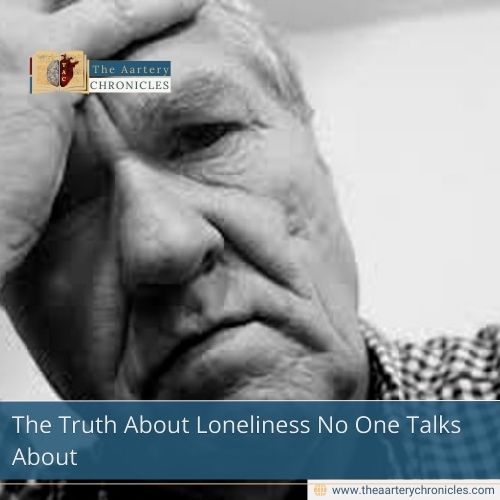

The Truth About Loneliness No One Talks About
Sadness and loneliness are two emotions that often go hand in hand and can profoundly impact the quality of life. These feelings are not necessarily negative: sadness is a normal response to painful events, while loneliness can be a signal that pushes us to seek more meaningful social connections. However, when they become persistent, they can become a chronic condition that impacts physical and mental well-being.
Causes Of Sadness And Loneliness
- Emotional and psychological factors: Sadness and loneliness can stem from a variety of psychological factors. Stressful events such as the loss of a loved one, the end of a relationship, or a significant life change (e.g., a move or job change) can generate a feeling of emptiness and melancholy. These events can cause a temporary loss of self-confidence and a loss of confidence in one’s ability to face challenges.
- Lack of social connections: Loneliness isn’t just about being physically alone; it’s often linked to a perceived lack of deep emotional connection. Loneliness can also be felt in the midst of large groups of people if interactions don’t satisfy the need for intimacy and understanding. Social isolation, whether voluntary or forced, is a key factor in this regard, especially among the elderly and those who live alone.
- Mental health conditions: Disorders like depression and anxiety can intensify feelings of sadness and loneliness. These disorders impact the ability to enjoy daily activities and connect with others, fueling a vicious cycle that reinforces isolation.
- Social and cultural factors: We live in an increasingly digitally connected society, but this type of connection often lacks emotional depth. Constantly comparing ourselves to the idealized lives of others on social media can worsen feelings of inadequacy and increase feelings of loneliness. Furthermore, the stigma associated with openly discussing emotions can prevent many people from seeking support.
Symptoms Of Sadness And Loneliness
Emotional symptoms
- Persistent feeling of emptiness and sadness.
- Feeling unloved or misunderstood.
- Feelings of guilt or low self-esteem.
Behavioral symptoms
- Avoiding social situations or withdrawing from enjoyable activities.
- Difficulty concentrating or maintaining interest in daily activities.
- Tendency to ruminate on negative thoughts.
Physical symptoms
- Constant fatigue and lack of energy.
- Sleep disturbances, such as insomnia or hypersomnia.
- Changes in appetite.
How to Deal With Sadness And Loneliness
Cultivating authentic relationships: Seeking meaningful social connections is one of the most effective ways to combat loneliness. Joining interest groups, volunteering, or simply reconnecting with old friends can help create authentic connections. Don’t be afraid to share your emotions; often, speaking openly can lead to deeper mutual understanding.
Take care of yourself: Self-care includes healthy eating, regular physical activity, and relaxation practices like meditation and deep breathing. These habits can improve mood and increase energy levels, helping to counter feelings of sadness.
Limit social media use: Reducing time spent on social media can help avoid negative comparisons and improve your mood. Devoting that time to more fulfilling activities, like reading a book or taking a walk, can promote a sense of satisfaction and serenity.
Practicing gratitude against sadness and loneliness: Keeping a gratitude journal is a simple yet effective technique for shifting your focus from the negative aspects of life to the positive. Writing down three things you’re grateful for every day helps develop a more optimistic outlook and combat sadness.
Consider professional support: If sadness and loneliness persist, seeking help from a mental health professional may be essential. A therapist can help identify triggers and develop personalised strategies to cope with these emotions. Cognitive-behavioural therapy, for example, is particularly effective at modifying negative thoughts and behaviours.
Conclusion
Sadness and loneliness are complex emotions that can affect every aspect of life if not addressed properly. Understanding the causes and recognising the symptoms is the first step to managing these emotions effectively. With a combination of personal strategies and, if necessary, professional help, it is possible to overcome sadness and loneliness, improving the quality of life and building more meaningful and fulfilling connections.