Health

How Can Indian Athletes Win More Medals At The International Level?​

Reading Time: 5 minutesHow Can Indian Athletes Win More Medals At The International Level? The Cricket World Cup 2023 is just a few days away. India will be hosting the prestigious tournament on October 5. Fans all over India are cheering for their cricketing heroes. However, somewhere down the line, other sports would be sidelined till the ‘cricket fever’ subsides. As they say, “Cricket is a religion in India.” Unfortunately, other sports like Football have been unsuccessful in penetrating the minds of the general Indian populace. India has a rich history in Football with decorated clubs and the team even playing Football in the Olympics. However, the Indian Football team still finds itself in a disappointing 106th place in the FIFA rankings. Europe on the other hand had 13 teams representing their continent at the FIFA World Cup 2020. The scenario remains the same when it comes to other sports as well. Indian athletes made the nation extremely proud by winning 61 medals and finishing fourth at the 2022 Commonwealth Games. However, Indian athletes haven’t been able to translate that success at the world level. Things are changing with India having their best Olympics ever with 7 medals at the recent Olympics. Olympic Javelin Throw gold medallist Neeraj Chopra recently won the 2023 World Athletics Championship. However, on the whole, Indian athletes still haven’t been able to consistently win medals at prestigious events. To put things in perspective, India’s total Olympic medal tally ever stands at 35 medals. A European nation comfortably wins way more than 35 medals in a single Olympic tournament. Indian athletes, except Cricket, continue to face many social, financial, and infrastructural issues at all levels. The raw talent needs to be more utilized and impedes India from achieving even greater heights. The following are some factors to improve at grassroots levels to make sure that Indian athletes can consistently win medals at the international level. Lack of Sports Culture Sports have never been given importance in the life of an Indian kid. Indian parents are ingrained to direct their kids toward the typical route of academics. Sports take a backseat due to the burden of schools, tuition, and self-studies. Children are often restricted from pursuing sports as a punishment. Sports are often unfairly labelled as distractions, which detrimentally impacts a child’s developmental years. Such labelling prevents children from discovering their talents and acquiring essential life skills such as teamwork, discipline, and focus. Consequently, this trend has contributed to physical health issues among children, including obesity and excessive screen time. Lack Of Sports At College/University Level The same story continues when a child goes to college and university. At this point, a child has some freedom to pursue a sport for recreational purposes. However, a sport is never considered to be a career pathway in India. A student-athlete gets little to no support. European countries and America, on the other hand, have robust sports and training. A college student is directly thrown into a program of the sport of their choice. The program is structured in a way that wouldn’t impact studies. A student learns a lot about themselves even if they don’t want to pursue the sport as a career. They also have sports-related scholarships. Lack of Infrastructure A student and even an athlete fail to get the basic amenities required to excel in a particular type of equipment and kits are expensive for an athlete to afford and impede their sporting prowess. There are other infrastructural deficiencies like lack of courts, lack of tracks, lack of grounds, etc. Even a national-level athlete has to battle a lot of infrastructural issues to even practice, let alone excel at a sport and win. This is not the case in European countries. They invest a formidable chunk of their GDP in sports. Athletes get high-quality equipment and facilities. They also get world-class doctors, physiotherapists, and strength and conditioning coaches which help their progress. Too Much Impetus on Cricket Cricket has also been considered as a sole of extreme importance. Sports other than cricket have always been neglected. The Indian Cricketing Board (BCCI) finances around 60-70% of the total cricket expenditure of the entire world. However, India fails to finance other sports. Other sports in India fail to even get sponsors and broadcasters, which affects the growth of a sport in India that is already struggling. Athletes of other sports are not paid as well and have to resort to either leaving the sport or pursuing an alternate job. Gender Discrimination Indian girls and females have always been marginalized in every aspect, especially in sports. Indian girls are prohibited from playing any sport from a very young age. This shatters their dreams. Recently, it has been the female athletes who have made India proud. Athletes like Mary Kom, PV Sindhu, Saina Nehwal, Jhulan Goswami, Mitali Raj, and many more, continue to be a source of inspiration for many girls around the country. Some other issues include low socio-economic status, improper diet, and nutrition, genetics, politics, favouritism, etc., to name a few. However, it is high time for India to address these. A lot of talent is suppressed at a young age, hurting our passionate country’s rich sporting culture. As the old saying in our country goes, ‘Take politics out of sports, and there will be medalists on every street of India’. Conclusion In conclusion, India’s potential to excel in a wide range of sports at the international level remains largely untapped due to various systemic challenges. To unlock this potential, a shift in cultural attitudes towards sports, particularly at the grassroots level, is imperative. Encouraging sports as a viable career option, improving access to quality infrastructure, reducing the overwhelming emphasis on cricket, addressing gender discrimination, and investing in athlete development and support are all critical steps. The recent successes in cricket and the Olympics show that India possesses exceptional talent, and with concerted efforts to remove these barriers, there is a bright future ahead where Indian athletes can consistently shine on the global stage, bringing glory

How Can Indian Athletes Win More Medals At The International Level?​ Read More »

Editorial, People Forum

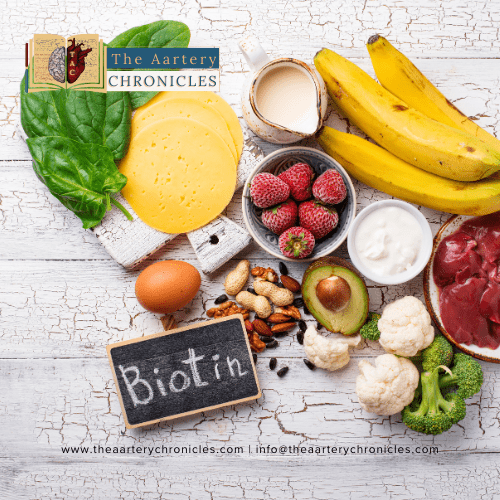
Biotin: Understanding Its Importance for Health and Well-Being

Reading Time: 5 minutesBiotin: Understanding Its Importance for Health and Well-Being The vitamin biotin, commonly referred to as vitamin B7 or vitamin H, is a water-soluble vitamin. The name “vitamin H” originates from the German words ‘Haar and Haut,’ which means hair and skin, highlighting its significance for these aspects of health. Biotin naturally occurs in various food items such as eggs, nuts and certain vegetables. It’s also commonly included in dietary supplements, often marketed for its potential benefits in promoting healthy hair and skin, as well as supporting overall well-being.   The role of Biotin in our body:  Biotin plays a vital role in the metabolism of fats, carbohydrates, proteins, etc. It helps convert these macronutrients into energy that the body can use. Also, biotin is responsible for maintaining cardiovascular health, and proper nerve functioning.  Biotin is often associated with promoting the health of hair, nails, and skin. It is a common ingredient in many beauty supplements.  Biotin is essential in the regulation of genes (as it modifies the activities of transcription factors), histone modifications, and cell signalling.  Biotin is considered to be important in breaking down macronutrients, it is involved in processes such as the synthesis of fatty acids, breakdown of amino acids, and glucogenesis.  Apart from this, biotin plays a key role in lactation, pregnancy, and regulation of blood sugar levels in type 2 diabetic patients. Sources of Biotin: Biotin is present in a variety of plant and animal-based food items, some of which include:  Eggs: The egg yolk is particularly renowned for its high biotin content. However, it’s advisable to cook them as avidin in raw egg whites can interfere with biotin absorption. Spinach: Spinach is not only a good source of biotin but also offers a variety of other vitamins (such as Vitamin A, C, and Folic acid) and minerals (such as Iron, Calcium, and potassium).  Sweet potatoes: Rich in antioxidants, fibre, vitamins, and minerals, sweet potatoes are a nutritious source of biotin Avocados: These are high in biotin and provide vitamin E, which is beneficial for skin and hair health. Organ meats: The liver, particularly chicken liver, is a potent source of biotin. Just 3 ounces of cooked chicken liver can provide a significant amount of biotin. Nuts: Nuts, such as almonds, peanuts, and walnuts, contain biotin and can be included in your diet. Along with these some other food items such as mushrooms, legumes, salmon, yeast, and dairy products are rich in biotin.   What are the normal biotin levels? The normal ranges for biotin levels in the blood serum is approximately: Adults: 133-329 picomoles per litre (pmol/L) Children: 157-425 pmol/L On average in adults, the normal urine biotin concentration must be around 18-127 nmol/24hrs. Biotin Deficiency The biotin deficiency is relatively rare in healthy individuals because biotin is found in a variety of foods, and the body requires only a small amount of it. However, certain medical conditions or genetic factors can lead to biotin deficiency or impaired biotin metabolism. An unusual decrease in biotin excretion through urine signals a deficiency in biotin. Similarly, an elevated excretion of 3-hydroxyisovaleric acid (above 3.3 mmol/mol creatinine) or 3-hydroxyisovalerylcarnitine (above 0.06 mmol/mol creatinine) is indicative of reduced MCC (3-methylcrotonyl-CoA carboxylase) activity, suggesting a biotin deficiency.   What are the signs and symptoms of Biotin deficiency? The Symptoms such as hair fall, conjunctivitis, brittle nails, and rashes, may indicate biotin deficiency. In severe cases of deficiency, In adults, symptoms may include seizures, skin infections, fragile nails, and neurological issues like depression, lethargy, hallucinations, and tingling sensations in the extremities. In infants, symptoms may manifest as hypotonia, lethargy, and developmental delays Serum concentrations of biotin and its metabolites can be increased by administration of oral doses.   Recommended Amounts There’s no Recommended Dietary Allowance (RDA) for biotin because there isn’t sufficient evidence to determine a daily requirement for most healthy individuals. Adolescents and adults are often advised to take between 30 to 100 micrograms (mcg) of biotin daily. Supplements and gummies:  The significance of biotin was first noticed when rats with the absence of biotin in their diet showed disorders such as neuromuscular dysfunction, dermatitis, and alopecia.  In case suffering from a biotin deficiency, supplements can help level up the required concentrations of biotin in the body. A wide range of dietary supplements for biotin are available, including supplements that contain just biotin, and supplements containing various combinations of vitamins and B-complex. However, it is important to choose according to the individual’s deficiencies and requirements.  Biotin gummies are a popular dietary supplement option for individuals looking to increase their biotin intake. Biotin gummies are easy to take and often more enjoyable than swallowing pills or capsules.   Biotin for skin and hair health:  In a recent decade, biotin has become commercially popular for its claimed benefits on skin, nails, and hair health. Biotin is an important nutrient that helps with the production of keratin.  Hair Health: Studies reveal that low levels of biotin can cause hair loss.  Biotin supplements are often prescribed for the strengthening of hair. Cosmetic products also tend to contain biotin as an alternative supplement. Biotin is known to improve the elasticity of hair and reduces brittleness which prevents the strands from breakage. It has been reported that people using biotin-enriched hair products experienced thickness in hair, texture, and overall hair health.    Skin Health: Biotin is said to promote radiant complexion as it is significant in the production of fatty acids which are responsible for maintaining healthy skin cells. And speeds up the process of regeneration supporting the collagen protein which imparts elasticity to the skin. However, the complete role of biotin in maintaining healthy skin has not been elucidated by scientists. The influence of vitamins on the skin may be associated with the effect on the metabolism of fat. Despite the rising craze for biotin in the media, only a small amount of literature is found to support the biotin claims for skin and hair health.   Conclusion:  Biotin plays a vital role in

Biotin: Understanding Its Importance for Health and Well-Being Read More »

Nutrition and Diet, People Forum
Age Gracefully: Rewriting the Rules of Anti-Aging

Age Gracefully: Rewriting the Rules of Anti-Ageing 

Reading Time: 7 minutesAge Gracefully: Rewriting the Rules of Anti-Ageing | Age Gracefully: Rewriting the Rules of Anti-Ageing The process of ageing starts as soon as an individual is born. One of the most inevitable aspects of life is ageing. It is something everyone has to face. Getting older brings about major life changes that one might not always be prepared for. Such changes include transitions in career, loss of loved ones, and most importantly physical and mental health challenges. However, the way one handles and grows from these challenges is the key to graceful ageing. The risk of contracting ailments increases after a certain age. It’s not unusual to struggle with accepting the fact of ageing. The concerns of life are different at the age of 85 than that of 25. Ageing will inevitably cause several physiological changes. Lifestyle choices for healthy ageing:  Healthy ageing can be influenced by many factors such as genetics, eating habits, exercise, etc. However, Managing health, living independently, and maintaining the quality of life are achievable.  Diet: Having balanced and nutritious eating habits is crucial for health. Chronic health issues such as stroke, diabetes, cardiac disorders, and obesity can be prevented or help diseases from getting worse. It is essential to include:  Vegetables and fruits Protein and healthy fats Cereals, whole-grains  Vitamin D-fortified dairy products Nuts It is necessary to avoid processed foods and refined sugars. Cutting solid fats and using oils for cooking has proved to be beneficial. Apart from this, the intake of salt has to be minimal to maintain normal levels of blood pressure.  Exercising and having an active lifestyle Several studies reveal the association of a sedentary lifestyle with a greater risk of developing chronic health issues and early death. An active lifestyle involves engaging in things that are important to you and are beneficial for your body, spirit, and mind. It is important to practice yoga, go on a walk, or engage in productive activities that give you joy.  Hobbies and other social activities can reduce the chance of several health issues, such as dementia, heart disease, stroke, and some types of cancer. Maintain a healthy sleep cycle Physical and mental health is highly influenced by the quality of sleep. It is essential to get quality sleep for healthy skin. A protein linked to Alzheimer’s disease called beta-amyloid is known to accumulate as a result of insufficient sleep. Low rates of obesity, heart disease, and insulin resistance are results of obtaining enough sleep. Getting quality sleep of about seven to eight hours every night can decrease the risk of obesity, inflammation, depression, and cardiac disorders. Taking care of the skin The largest organ of the body is the skin. They say ‘If you love your skin your skin will love you back’. If you take good care of your skin, it will shield your body from the environment, and regulate body temperature. Healthy skin may promote a youthful look.  Hydration is important for skin health. The toxins in the body are flushed out which improves texture, gets rid of wrinkles, and gives a natural plump to the skin.  It is crucial to wear sunscreen when going out during the day regardless of the weather.  Using gentle and antiaging skincare products may be helpful Also, it is recommended to get annual screenings for skin cancer Regulating / Quitting the use of cigarettes and alcohol Numerous studies reveal the association between smoking and alcohol with premature ageing. Smoking can increase the risk of developing various diseases including cancer. Also, the existing respiratory disorders might get worse due to smoking.  In the case of alcohol, it is important to limit intake to maintain health and avoid risks.  Regular health checkups  Health exams and routine doctor appointments are important for healthy ageing. Routine checkups help people lower their chances of developing issues such as high blood pressure and help doctors detect chronic diseases early. Regular medical visitors also reported a higher quality of life and healthy sentiments.   Healthy ageing is all about being happy and practising mindfulness when making diet and lifestyle choices. It is common to get anxious over aging challenges so it is best to get in touch with the family doctor regarding any health Concerns. Indulging in hobbies, and surrounding yourself with positive people and loved ones is a must for mental health and overall well-being. Diet: Having balanced and nutritious eating habits is crucial for health. Chronic health issues such as stroke, diabetes, cardiac disorders, and obesity can be prevented or help diseases from getting worse. It is essential to include: Vegetables and fruits Protein and healthy fats Cereals, whole-grains  Vitamin D-fortified dairy products Nuts It is necessary to avoid processed foods and refined sugars. Cutting solid fats and using oils for cooking has proved to be beneficial. Apart from this, the intake of salt has to be minimal to maintain normal levels of blood pressure.  Exercising and having an active lifestyle Several studies reveal the association of a sedentary lifestyle with a greater risk of developing chronic health issues and early death. An active lifestyle involves engaging in things that are important to you and are beneficial for your body, spirit, and mind. It is important to practice yoga, go on a walk, or engage in productive activities that give you joy.  Hobbies and other social activities can reduce the chance of several health issues, such as dementia, heart disease, stroke, and some types of cancer. Maintain a healthy sleep cycle Physical and mental health is highly influenced by the quality of sleep. It is essential to get quality sleep for healthy skin. A protein linked to Alzheimer’s disease called beta-amyloid is known to accumulate as a result of insufficient sleep. Low rates of obesity, heart disease, and insulin resistance are results of obtaining enough sleep. Getting quality sleep of about seven to eight hours every night can decrease the risk of obesity, inflammation, depression, and cardiac disorders. Taking care of the skin The largest organ of the body is

Age Gracefully: Rewriting the Rules of Anti-Ageing  Read More »

Editorial, People Forum
Scroll to Top