
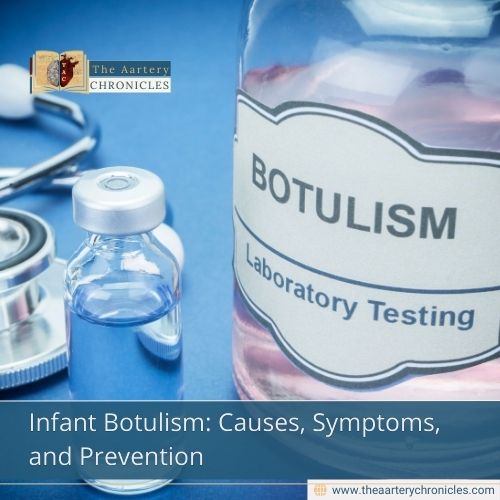
Infant Botulism: All that you need to know
Summary: Infant botulism is a rare yet potentially life-threatening neurological condition affecting babies under one year of age. This article explains what infant botulism is, why honey is dangerous for infants, early warning signs parents must not ignore, and how timely medical treatment ensures full recovery. Parents will also learn simple but critical prevention strategies to keep their baby safe
What Is Infant Botulism?
Did you know that even a tiny exposure to a toxin can significantly affect your baby’s health? One such overlooked exposure is honey, often given as part of cultural or traditional practices. While considered healthy for adults, honey for infants can be dangerous and may lead to a serious condition known as infant botulism
Infant botulism is a rare but potentially life-threatening illness affecting babies under one year of age. It occurs when spores of Clostridium botulinum enter an infant’s immature digestive system and produce a powerful neurotoxin. This toxin interferes with nerve signalling, leading to
- Muscle weakness
- Poor feeding
- Breathing difficulties
- Paralysis
The purpose of this article is to help parents and caregivers recognize infant botulism early, understand its causes, and learn how prompt treatment can ensure a full recovery.
What Causes Infant Botulism?
The primary cause of infant botulism is the ingestion of Clostridium botulinum spores. Unlike older children and adults, infants have an underdeveloped gut microbiome that cannot prevent these spores from germinating and producing toxins.
1. Honey: The Most Common Trigger
Honey is unsafe for babies under one year of age because it may contain Clostridium botulinum spores. Even small or diluted amounts can pose a serious risk.
Health experts consistently warn that “honey for newborns in any form, raw or processed, can cause infant botulism.”
To prevent botulism from honey in infants, parents should:
- Avoid honey in all forms (including processed foods)
- Delay honey introduction until after the first birthday
As the digestive system matures with age, honey becomes safe, but never in infancy.
2. Environmental Exposure to Spores
Clostridium botulinum spores are naturally found in soil and dust. Babies living near construction sites, farms, or dusty environments may accidentally ingest these spores through hand-to-mouth activity or inhalation.
Depending on geographic location, spores can also enter homes through dust, making environmental hygiene especially important for infants.
3. Contaminated or Improperly Stored Food
Improperly prepared baby foods, formula, or unhygienic food handling can increase the risk of exposure. Maintaining strict hygiene, correct food storage, and safe preparation practices significantly reduces this risk.
Did You Know?
Honey is the most commonly identified source of infant botulism. Approximately 20% of reported cases are linked to exposure to honey or corn syrup.
Bigger Benefits for the Most Sedentary Adults
Early symptoms of infant botulism are often subtle and may be mistaken for normal infant behaviour. However, early recognition is critical to prevent complications.

Common Early Signs
- Constipation (often the first noticeable symptom)
- Weak or softer-than-usual cry
- Reduced facial expressions
Progressive Symptoms
- Drooping eyelids
- Poor head control
- Floppy arms and legs (hypotonia)
- Excessive drooling
- Difficulty swallowing or feeding
- Breathing difficulties in severe cases
These symptoms occur because the botulinum toxin blocks nerve-to-muscle communication, leading to progressive muscle weakness.
How Is Infant Botulism Treated?
Infant botulism treatment focuses on neutralizing the toxin and providing supportive care until nerve function recovers. With timely medical intervention, most infants recover completely.
1. Antitoxin Therapy
The standard treatment for human botulism is human botulism immune globulin intravenous (BIG-IV). This antitoxin binds to the circulating toxin and prevents further nerve damage.
Clinical evidence shows that:
- Babies who receive BIG-IV early recover faster
- Hospital stays are significantly shorter
- Long-term outcomes are excellent
2. Supportive Medical Care
Depending on symptom severity, supportive care may include:
- Assisted breathing with a ventilator
- Tube feeding or IV fluids if swallowing is impaired
- Continuous monitoring in a hospital setting
This supportive care allows the infant’s nerves to heal naturally over time.
Conclusion: Prevention Is Simple, Awareness Is Crucial
Infant botulism accounts for nearly 75% of all botulinum toxin–related cases reported annually in the United States. While most infants recover fully with treatment, delayed diagnosis can lead to serious complications.
Preventive steps are straightforward:
- Never give honey to infants under one year
- Maintain a clean living environment
- Ensure safe food preparation and storage
- Watch closely for early symptoms like constipation and weak crying
Prompt attention to subtle changes in your baby’s behaviour can make a life-saving difference.

Dane
I am an MBBS graduate and a dedicated medical writer with a strong passion for deep research and psychology. I enjoy breaking down complex medical topics into engaging, easy-to-understand content, aiming to educate and inspire readers by exploring the fascinating connection between health, science, and the human mind.