Nutrition and Diet

Discover Nutrition and Diet insights – expert advice, healthy recipes, dietary tips, and wellness guidance for a balanced lifestyle.

Everything You Need to Know about L-arginine

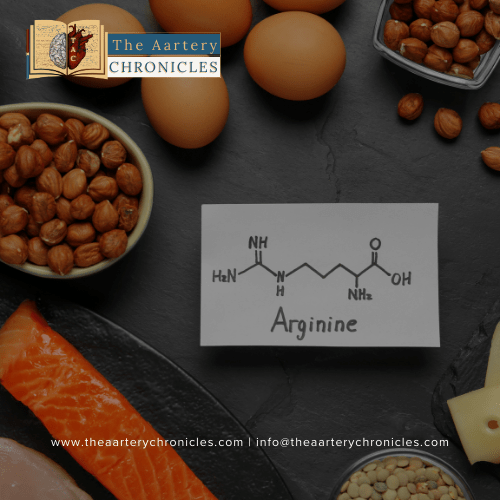
Reading Time: 7 minutesEverything You Need to Know about L-arginine L-arginine, a building block of protein, is an amino acid. While the body can usually produce adequate amounts of L-arginine on its own, it is categorised as a semi-essential amino acid, holding significant importance in diverse biological processes within the body. This means that during specific circumstances such as growth, illness, or stress, the body’s need for L-arginine might exceed its natural synthesis capacity. As a result, acquiring L-arginine from dietary sources or through supplements becomes essential. L-arginine is found in various protein-rich foods, such as meat, poultry, fish, dairy products, nuts, and seeds. It is also available as a dietary supplement and is sometimes used for its potential health benefits. While L-arginine can have beneficial effects, it’s important to understand its usage, potential benefits, and risks. History of L-Arginine:  Discovery of Arginine Arginine was first isolated in 1886 from lupine seedlings by Swiss chemist Ernst Schulze. It was initially identified as a basic amino acid, and its structure was later determined in the early 20th century. Later, In the 1930s, scientists discovered that arginine is a key component of the urea cycle, a metabolic pathway that helps the body eliminate toxic ammonia. This finding highlighted the amino acid’s importance in nitrogen metabolism. As research in biochemistry advanced, scientists learned more about the role of arginine in protein synthesis. It’s one of the 20 standard amino acids that make up proteins, and it contributes to the structure and function of various proteins in the body. In the 20th century, it garnered significant attention due to its cardiovascular advantages.  In 1989, scientists discovered that arginine is a precursor to nitric oxide (NO), a molecule that relaxes blood vessels, improves blood flow, and has a range of cardiovascular effects. This led to research on using arginine supplements to support heart health. Arginine supplements became commercially available as a dietary supplement in the late 20th century. They were marketed for various purposes, including improving exercise performance, enhancing sexual function, and supporting cardiovascular health. Today, L-arginine is used in both dietary supplements and pharmaceuticals. It’s still being studied for its potential health benefits, including its role in wound healing, immune system function, and cognitive health. While L-arginine has shown promise in various areas of health and wellness, it’s important to note that individual responses to supplementation can vary, and it should be used under the guidance of a healthcare professional, especially when addressing specific health concerns. Functions of L-Arginine in the body L-arginine plays several crucial roles in the body, including: Nitric Oxide Production: One of the most well-known functions of L-arginine is its role as a precursor to nitric oxide (NO). Nitric oxide is a vasodilator, meaning it relaxes blood vessels, leading to improved blood flow. This property is essential for cardiovascular health as it helps regulate blood pressure and ensures that tissues and organs receive an adequate supply of oxygen and nutrients. Wound Healing: L-arginine is involved in the early stages of wound healing. It helps support tissue repair and the formation of collagen, a structural protein that plays a vital role in wound closure and scar formation. Immune Function: L-arginine plays a part in the immune response. It helps activate immune cells, allowing the body to defend itself against infections and pathogens effectively. Hormone Release: L-arginine is required for the secretion of various hormones, including insulin and growth hormone. These hormones are essential for regulating blood sugar levels, growth, and development. Detoxification: L-arginine is involved in the removal of ammonia from the body, a waste product that can be toxic if allowed to accumulate. This detoxification process is crucial for overall health. Cell Division: L-arginine is necessary for cell division, a fundamental process that allows the body to grow, repair damaged tissues, and maintain organ function. Urea Cycle: L-arginine is a key component of the urea cycle, a metabolic pathway that converts ammonia into urea, which is then excreted by the body. This cycle helps maintain nitrogen balance and prevents the buildup of toxic ammonia. It’s worth noting that while L-arginine offers numerous health benefits, excessive intake or supplementation should be approached with caution, as very high doses can lead to side effects and interactions with certain medications.  L-Arginine Benefits and Uses L-arginine has been studied for its potential role in the treatment of various conditions, and it may offer some benefits in certain cases. Chest Pain or Pressure (Angina) L-arginine has been investigated for its potential to improve blood flow by increasing nitric oxide production, which can help relax blood vessels. This effect might be beneficial for individuals with angina, a condition characterized by chest pain or discomfort due to reduced blood flow to the heart muscle. A few studies have explored but the results have been mixed. Erectile Dysfunction L-arginine is often marketed as a natural remedy for erectile dysfunction (ED) because of its role in improving blood flow. Nitric oxide, derived from L-arginine, plays a crucial role in the relaxation of blood vessels in the penis, which is essential for achieving and maintaining an erection. Some men with mild to moderate ED have reported improvement with L-arginine supplementation, although its effectiveness can vary. Heart Failure L-arginine has been studied in the context of heart failure, a condition in which the heart struggles to pump blood effectively. The research has suggested that L-arginine might help improve exercise capacity and quality of life in individuals with heart failure. However, its use in heart failure treatment is still a subject of ongoing investigation. High Blood Pressure (Hypertension)   The potential blood pressure-lowering effects of L-arginine are related to its role in enhancing nitric oxide production and promoting blood vessel relaxation. While some studies have shown a modest reduction in blood pressure with L-arginine supplementation, it’s not typically recommended as a first-line treatment for hypertension. Lifestyle modifications and conventional antihypertensive medications are often preferred. Regulation of Blood Sugar L-arginine’s potential role in blood sugar regulation is an interesting area of study, and some research suggests

Everything You Need to Know about L-arginine Read More »

Nutrition and Diet, People Forum

Biotin: Understanding Its Importance for Health and Well-Being

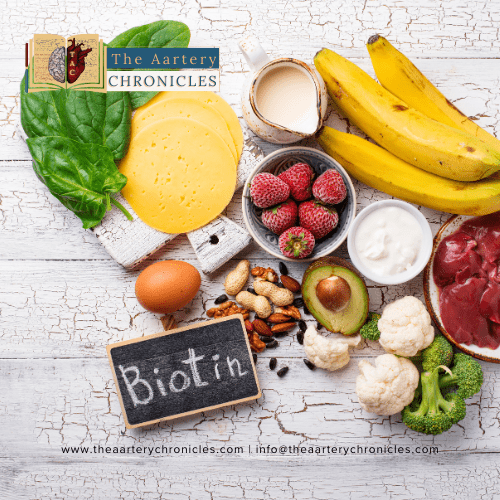
Reading Time: 5 minutesBiotin: Understanding Its Importance for Health and Well-Being The vitamin biotin, commonly referred to as vitamin B7 or vitamin H, is a water-soluble vitamin. The name “vitamin H” originates from the German words ‘Haar and Haut,’ which means hair and skin, highlighting its significance for these aspects of health. Biotin naturally occurs in various food items such as eggs, nuts and certain vegetables. It’s also commonly included in dietary supplements, often marketed for its potential benefits in promoting healthy hair and skin, as well as supporting overall well-being.   The role of Biotin in our body:  Biotin plays a vital role in the metabolism of fats, carbohydrates, proteins, etc. It helps convert these macronutrients into energy that the body can use. Also, biotin is responsible for maintaining cardiovascular health, and proper nerve functioning.  Biotin is often associated with promoting the health of hair, nails, and skin. It is a common ingredient in many beauty supplements.  Biotin is essential in the regulation of genes (as it modifies the activities of transcription factors), histone modifications, and cell signalling.  Biotin is considered to be important in breaking down macronutrients, it is involved in processes such as the synthesis of fatty acids, breakdown of amino acids, and glucogenesis.  Apart from this, biotin plays a key role in lactation, pregnancy, and regulation of blood sugar levels in type 2 diabetic patients. Sources of Biotin: Biotin is present in a variety of plant and animal-based food items, some of which include:  Eggs: The egg yolk is particularly renowned for its high biotin content. However, it’s advisable to cook them as avidin in raw egg whites can interfere with biotin absorption. Spinach: Spinach is not only a good source of biotin but also offers a variety of other vitamins (such as Vitamin A, C, and Folic acid) and minerals (such as Iron, Calcium, and potassium).  Sweet potatoes: Rich in antioxidants, fibre, vitamins, and minerals, sweet potatoes are a nutritious source of biotin Avocados: These are high in biotin and provide vitamin E, which is beneficial for skin and hair health. Organ meats: The liver, particularly chicken liver, is a potent source of biotin. Just 3 ounces of cooked chicken liver can provide a significant amount of biotin. Nuts: Nuts, such as almonds, peanuts, and walnuts, contain biotin and can be included in your diet. Along with these some other food items such as mushrooms, legumes, salmon, yeast, and dairy products are rich in biotin.   What are the normal biotin levels? The normal ranges for biotin levels in the blood serum is approximately: Adults: 133-329 picomoles per litre (pmol/L) Children: 157-425 pmol/L On average in adults, the normal urine biotin concentration must be around 18-127 nmol/24hrs. Biotin Deficiency The biotin deficiency is relatively rare in healthy individuals because biotin is found in a variety of foods, and the body requires only a small amount of it. However, certain medical conditions or genetic factors can lead to biotin deficiency or impaired biotin metabolism. An unusual decrease in biotin excretion through urine signals a deficiency in biotin. Similarly, an elevated excretion of 3-hydroxyisovaleric acid (above 3.3 mmol/mol creatinine) or 3-hydroxyisovalerylcarnitine (above 0.06 mmol/mol creatinine) is indicative of reduced MCC (3-methylcrotonyl-CoA carboxylase) activity, suggesting a biotin deficiency.   What are the signs and symptoms of Biotin deficiency? The Symptoms such as hair fall, conjunctivitis, brittle nails, and rashes, may indicate biotin deficiency. In severe cases of deficiency, In adults, symptoms may include seizures, skin infections, fragile nails, and neurological issues like depression, lethargy, hallucinations, and tingling sensations in the extremities. In infants, symptoms may manifest as hypotonia, lethargy, and developmental delays Serum concentrations of biotin and its metabolites can be increased by administration of oral doses.   Recommended Amounts There’s no Recommended Dietary Allowance (RDA) for biotin because there isn’t sufficient evidence to determine a daily requirement for most healthy individuals. Adolescents and adults are often advised to take between 30 to 100 micrograms (mcg) of biotin daily. Supplements and gummies:  The significance of biotin was first noticed when rats with the absence of biotin in their diet showed disorders such as neuromuscular dysfunction, dermatitis, and alopecia.  In case suffering from a biotin deficiency, supplements can help level up the required concentrations of biotin in the body. A wide range of dietary supplements for biotin are available, including supplements that contain just biotin, and supplements containing various combinations of vitamins and B-complex. However, it is important to choose according to the individual’s deficiencies and requirements.  Biotin gummies are a popular dietary supplement option for individuals looking to increase their biotin intake. Biotin gummies are easy to take and often more enjoyable than swallowing pills or capsules.   Biotin for skin and hair health:  In a recent decade, biotin has become commercially popular for its claimed benefits on skin, nails, and hair health. Biotin is an important nutrient that helps with the production of keratin.  Hair Health: Studies reveal that low levels of biotin can cause hair loss.  Biotin supplements are often prescribed for the strengthening of hair. Cosmetic products also tend to contain biotin as an alternative supplement. Biotin is known to improve the elasticity of hair and reduces brittleness which prevents the strands from breakage. It has been reported that people using biotin-enriched hair products experienced thickness in hair, texture, and overall hair health.    Skin Health: Biotin is said to promote radiant complexion as it is significant in the production of fatty acids which are responsible for maintaining healthy skin cells. And speeds up the process of regeneration supporting the collagen protein which imparts elasticity to the skin. However, the complete role of biotin in maintaining healthy skin has not been elucidated by scientists. The influence of vitamins on the skin may be associated with the effect on the metabolism of fat. Despite the rising craze for biotin in the media, only a small amount of literature is found to support the biotin claims for skin and hair health.   Conclusion:  Biotin plays a vital role in

Biotin: Understanding Its Importance for Health and Well-Being Read More »

Nutrition and Diet, People Forum
Scroll to Top