
An Overview of Hand Arthritis and Its Treatment
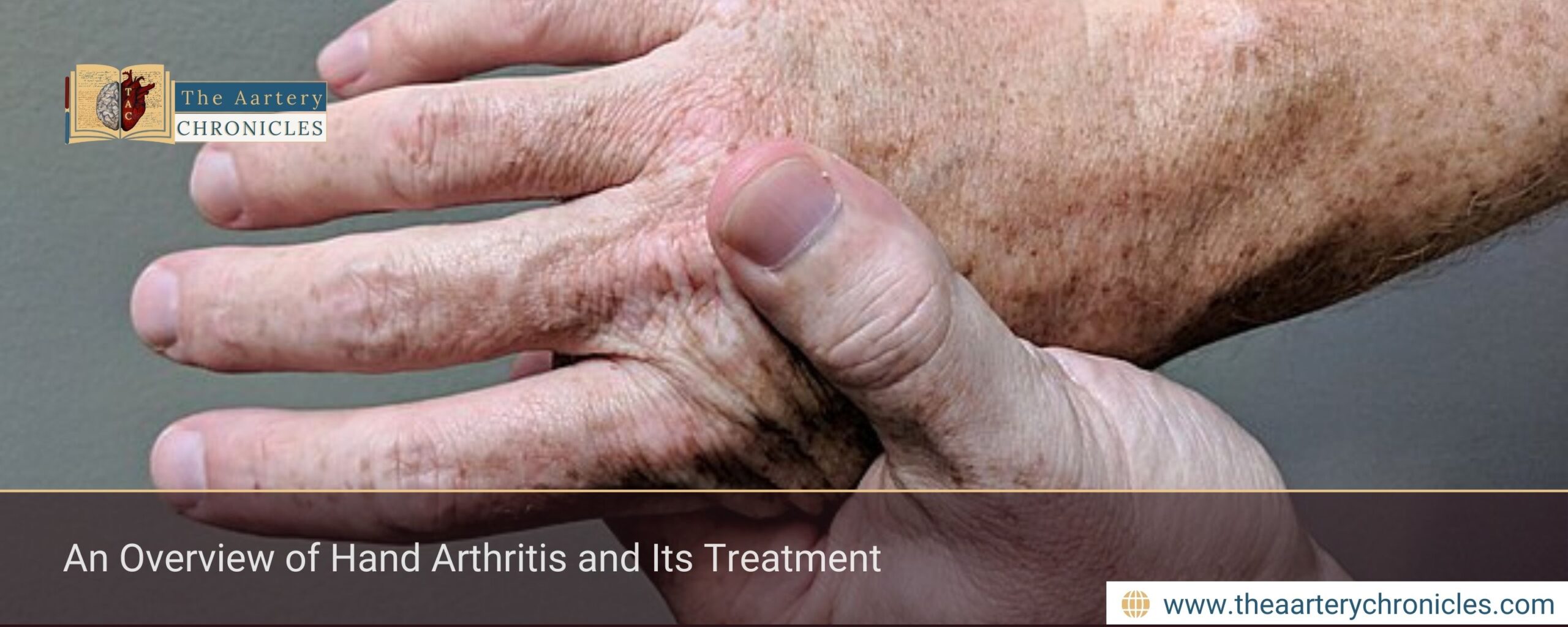
Hand osteoarthritis is a degenerative disease that affects the joints, causing pain, stiffness, and difficulty moving. It is one of the most common forms of osteoarthritis, especially among women over 50, and can significantly impact quality of life, interfering with daily activities such as writing, cooking, or opening a jar. In this article, we will explore the causes of hand osteoarthritis, the main symptoms, and strategies for preventing and managing it effectively.
Causes And Risk Factors Of Hand Osteoarthritis
Osteoarthritis in the hands can develop due to a combination of factors:
1. Aging: As we age, cartilage naturally deteriorates, increasing the risk of osteoarthritis.
2. Genetic predisposition for hand osteoarthritis: A family history of osteoarthritis can certainly increase the likelihood of developing the disease.
3. Repetitive use of hands: Jobs or hobbies that require repetitive hand movements, such as sewing, writing, or using tools, can accelerate joint wear.
4. Trauma or injury: Fractures, dislocations, or other hand injuries can damage the joints and thus contribute to the onset of osteoarthritis.
5. Pre-existing conditions: Diseases such as rheumatoid arthritis or joint infections can predispose to osteoarthritis.
Main Symptoms
Symptoms of hand osteoarthritis can vary in intensity and gradually worsen over time. The most common symptoms include:
- Joint pain: initially mild, but can become constant as the disease progresses.
- Stiffness: especially in the morning or after periods of inactivity.
- Swelling: Caused by inflammation of the joints.
- Deformity: Formation of bony nodules, known as Heberden’s nodes (at the distal joints) and Bouchard’s nodes (at the proximal joints).
- Difficulty in movement: reduced grip strength and difficulty performing manual tasks.
Diagnosis
The diagnosis of hand osteoarthritis is made through a combination of clinical and instrumental tests:
- Physical exam: The doctor evaluates pain, stiffness, and joint deformities.
- X-rays: These show thinning of the cartilage, the presence of bone spurs (osteophytes), and narrowing of the joint space.
- Blood tests: useful for ruling out other conditions, such as rheumatoid arthritis.
Treatments For Hand Osteoarthritis
Although there is no definitive cure for osteoarthritis, there are many strategies to relieve symptoms and improve hand function.
1. Drug therapies
- Painkillers: such as paracetamol, to reduce pain.
- Nonsteroidal anti-inflammatory drugs (NSAIDs): such as ibuprofen or diclofenac, are used to relieve pain and inflammation.
- Corticosteroids: Local injections to treat acute inflammation.
2. Physiotherapy and rehabilitation
Physical therapy can help maintain joint mobility and improve muscle strength. Specific hand exercises include:
- Finger Stretching: To Improve Flexibility.
- Exercises with soft balls: to strengthen your grip.
- Occupational therapy: Learn techniques that reduce stress on joints.
3. Natural remedies and alternative treatments
- Hot or cold compresses: to relieve pain and reduce inflammation.
- Supplements: Such as glucosamine and chondroitin, which can support joint health.
- Massage and essential oils: to relax muscles and improve circulation.
4. Support devices
- Braces or splints: to stabilize joints and reduce pain during activities.
- Household aids: such as ergonomic jar openers or pens with larger handles.
5. Surgery
In severe cases, when pain is debilitating and function is impaired, surgery may be required, including:
- Arthroplasty: Replacement of a damaged joint with a prosthesis.
- Arthrodesis: fusion of bones to stabilize the joint.
Prevention Of Hand Osteoarthritis
While it is not always possible to prevent osteoarthritis, some measures can reduce the risk or slow its progression:
- Protect your hands: avoid repetitive movements and use ergonomic tools.
- Maintain a healthy weight: to reduce stress on your joints.
- Get regular exercise to strengthen muscles and joints.
- Eat a balanced diet: rich in antioxidants, omega-3s, and vitamins to support joint health.
Conclusion
Hand osteoarthritis is a common condition, but it can be managed with a combination of medical treatments, exercises, and lifestyle changes. Consulting a doctor or physical therapist is essential for an accurate diagnosis and a personalized treatment plan. With the right support, you can reduce pain and maintain hand function, improving your quality of life.