

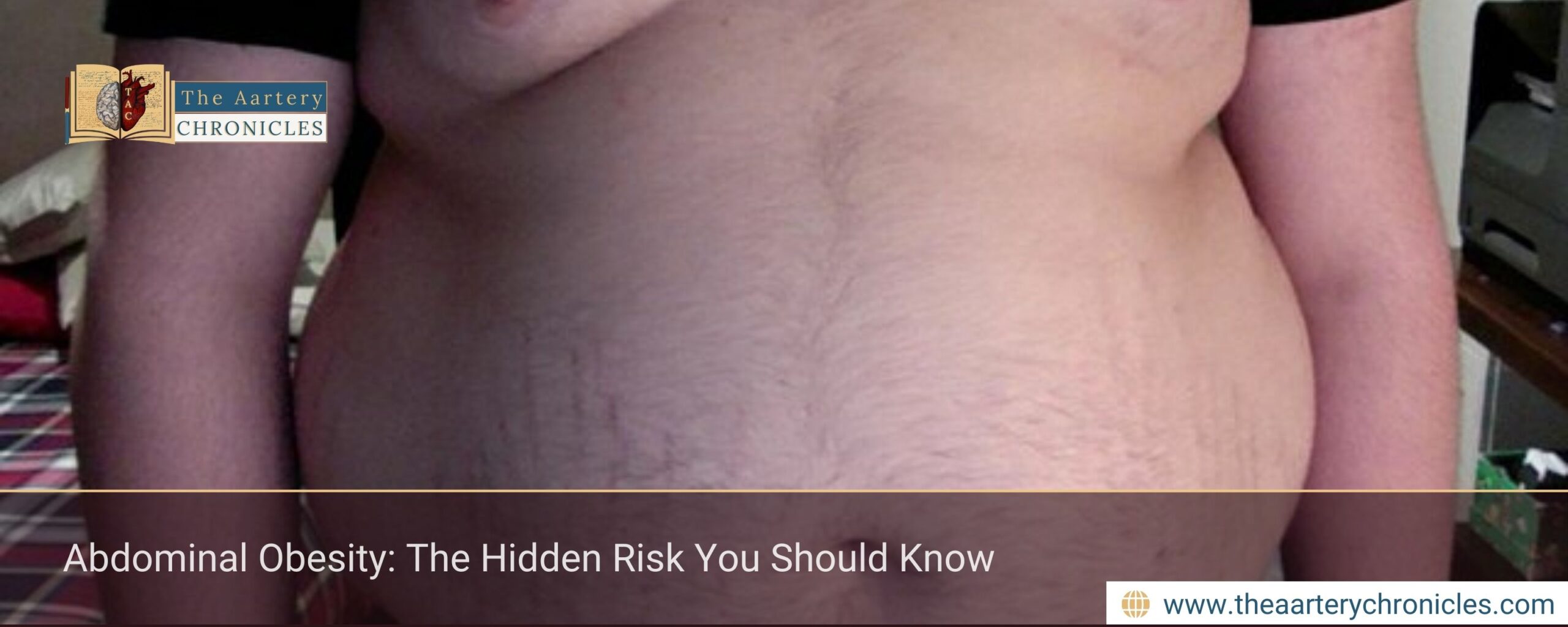
Abdominal Obesity: The Hidden Risk You Should Know
Abdominal obesity is a condition characterised by excessive accumulation of fat in the abdominal area and is considered a major risk factor for several chronic diseases, including cardiovascular disease, type 2 diabetes, and metabolic syndrome. This type of obesity affects men and women of all ages, and its prevalence is increasing, linked to an increasingly sedentary lifestyle and an unbalanced diet. The accumulation of visceral fat, the fat surrounding the internal organs, is particularly dangerous because it can negatively impact various metabolic processes in the body.
What Is Abdominal Obesity?
Abdominal, or visceral, obesity differs from general obesity in the location of body fat. While in general obesity, fat is distributed throughout the body, abdominal obesity concentrates adipose tissue primarily in the abdomen. This condition is considered one of the most critical risk factors for cardiovascular and metabolic health.
Measurement And Criteria For Defining Abdominal Obesity
- Waist circumference: A circumference greater than 94 cm for men and 80 cm for women is an indicator of increased risk. Waist circumference cut-offs may vary by ethnic groups. For South Asians, the risk may begin at even lower values.
- Waist-to-hip ratio (WHR): This is considered a good indicator of body fat distribution. A WHR above 0.9 for men and 0.85 for women is associated with a higher risk of metabolic diseases.
These measurements help assess an individual’s risk of developing chronic conditions related to abdominal obesity, regardless of body mass index (BMI).BMI alone cannot determine abdominal obesity, but it is used alongside waist circumference in clinical assessment.
Main Causes Of Abdominal Obesity
- Unbalanced Diet: A diet high in sugar and saturated fat is undoubtedly one of the main causes of visceral fat accumulation. Excessive consumption of refined carbohydrates, sugary drinks, and processed foods contributes to weight gain and promotes the accumulation of abdominal fat. Low-fibre diets can impair satiety and lead to overeating, indirectly contributing to fat accumulation.
- Sedentary Lifestyle: Lack of physical activity is another contributing factor. Exercise helps burn calories and improve metabolism, but a sedentary lifestyle, characterized by long periods of inactivity, increases the risk of accumulating abdominal fat. People who spend a lot of time sitting or who don’t exercise regularly are more prone to visceral obesity.
- Genetic Factors: Genetic predisposition plays a significant role in the accumulation of abdominal fat. Some people have a natural predisposition to store fat in the abdominal area, regardless of their overall body weight. Genes can influence various metabolic aspects, such as insulin sensitivity and the rate of fat accumulation.
- Hormonal Imbalances: Hormones, such as cortisol (known as the “stress hormone”), can promote abdominal fat accumulation. Elevated cortisol levels, often caused by chronic stress, cause the body to store fat in the abdominal area. Age-related hormonal changes, such as reduced estrogen in women after menopause and lower testosterone levels in men, can shift fat distribution towards the abdomen.
- Sleep Problems and Stress: Sleeping too little or poorly alters hormonal and metabolic balance. Leptin decreases, and ghrelin increases during sleep deprivation. Chronic stress also causes the body to produce more cortisol, which promotes the accumulation of fat in the abdominal region.
Health Risks Associated With Abdominal Obesity
- Cardiovascular Diseases: Visceral fat is highly metabolically active and produces pro-inflammatory cytokines that can increase the risk of cardiovascular disease. Abdominal obesity is directly linked to hypertension, atherosclerosis, and a higher risk of heart attack.
- Type 2 Diabetes: Abdominal fat negatively affects sensitivity to insulin, a hormone that regulates blood glucose levels. This can lead to a condition called insulin resistance, a precursor to type 2 diabetes. Studies have shown that a larger waist circumference is associated with a higher risk of developing diabetes.
- Metabolic Syndrome: Metabolic syndrome is a cluster of conditions, including high blood pressure, high blood sugar, abnormal cholesterol levels, and abdominal obesity. The presence of these conditions significantly increases the risk of developing chronic diseases such as diabetes and heart disease.
- Chronic Inflammation: Visceral fat produces inflammatory substances that can lead to a state of chronic inflammation. Chronic inflammation is associated with a variety of health problems, including cardiovascular disease, diabetes, and some cancers.
Balanced Diet :
A balanced diet, rich in fresh, nutritious foods, is essential for reducing belly fat. Here are some tips:
- Limit sugars: Reduce your consumption of sugary drinks, sweets, and refined carbohydrates, which can increase visceral fat.
- Eat more fiber: Fiber, found in fruits, vegetables, legumes and whole grains, helps improve digestion and reduce the accumulation of abdominal fat.
- Lean protein: Protein boosts metabolism and helps keep you feeling full. Healthy protein sources include chicken, fish, eggs, and legumes.
Regular Exercise :
Physical activity is one of the most effective tools for fighting abdominal obesity. The World Health Organization recommends at least 150 minutes of moderate-intensity aerobic exercise per week. Cardio exercises, such as walking, running, or swimming, are particularly effective for burning visceral fat, while resistance training helps maintain muscle mass and improve metabolism.
Stress Management :
Reducing stress levels can help control cortisol production and prevent abdominal fat accumulation. Activities such as yoga, meditation, and deep breathing techniques are very helpful for managing stress and improving physical and mental well-being.
Quality Sleep :
Sleeping at least 7-8 hours a night is essential for maintaining hormonal balance, which promotes weight loss and well-being. Sleep deprivation increases the risk of obesity and insulin resistance.
Reducing Alcohol Intake :
Alcohol can promote abdominal fat accumulation and reduce the effectiveness of your metabolism. Limiting your alcohol intake can help you maintain a healthy weight and reduce visceral fat.
Conclusion
Abdominal obesity poses a significant health threat, but it can be effectively countered through lifestyle changes. A balanced diet, regular exercise, and proper stress management are essential for preventing and reducing visceral fat. Improving sleep quality and limiting alcohol consumption are additional strategies that can help maintain a healthier abdomen. Reducing abdominal obesity not only supports overall health but also improves metabolic and cardiovascular outcomes