
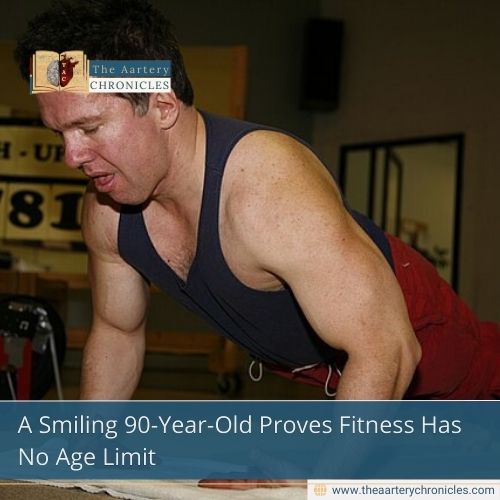

A Smiling 90-Year-Old Proves Fitness Has No Age Limit
A recent viral moment is reshaping how people think about ageing and exercise. A 90-year-old grandpa performs 20 push-ups every day, and he does it with ease, confidence, and a big smile. The video, shared by neuroscientist Andrew Huberman, has captured public attention not just because of the physical strength involved, but because of the deeper health lessons behind it.
According to Huberman, this inspiring example shows that long-term fitness is less about extreme workouts and more about daily habits, mindset, and enjoyment principles supported by modern neuroscience and preventive medicine
Consistency Over Intensity: The Real Secret to Lifelong Fitness
One of the strongest messages from the video is simple but powerful: do something physical every day. The grandson, Michael Gastelum, explains that his grandfather never focused on intense gym routines. Instead, he stayed active consistently throughout his life.
Regular movement supports muscle preservation, balance, cardiovascular health, and brain function, especially in older adults. Research shows that even moderate daily activity can significantly reduce age-related decline.
Fitness Works Best When It Fits Into Real Life
Huberman emphasises that physical health should not replace family life, work, or joy; it should exist alongside them. The grandfather in the video is surrounded by loved ones, relaxed, and fully engaged in the moment.
This balance matters. Studies in lifestyle medicine confirm that social connection lowers stress hormones, improves mental health, and even supports longevity. Exercise done in a positive social environment is more sustainable and beneficial in the long run.
The Brain-Body Connection: Why Mindset Matters
Perhaps the most important takeaway is emotional. While doing the push-ups, the 90-year-old man is laughing and clearly enjoying himself. Huberman highlights that enjoyment changes how the brain responds to physical effort.
He references research from Stanford, including work by behavioural scientists, showing that mindset directly influences physical performance and recovery. When the brain interprets effort as positive rather than stressful, the body adapts better. In simple terms: if exercise feels rewarding, you’re more likely to stick with it and benefit from it.
What This Means for Everyday People
- Move your body daily, even in small ways
- Choose activities you genuinely enjoy
- Stay socially connected while staying active
- Focus on long-term habits, not quick results
As Huberman notes, whenever motivation drops or exercise feels like a burden, remembering a 90-year-old grandpa who performs 20 push-ups every day joyfully and consistently can be a powerful reset.
Conclusion
Healthy ageing is not built overnight. It grows from decades of small, repeated choices. This story is a reminder that strength, mobility, and independence are possible at any age when movement becomes a daily habit and joy becomes part of the process.

Priya Bairagi
Reviewed by Dr Aarti Nehra (MBBS, MMST)
I’m a pharmacist with a strong background in health sciences. I hold a BSc from Delhi University and a pharmacy degree from PDM University. I write articles and daily health news while interviewing doctors to bring you the latest insights. In my free time, you’ll find me at the gym or lost in a sci-fi novel.