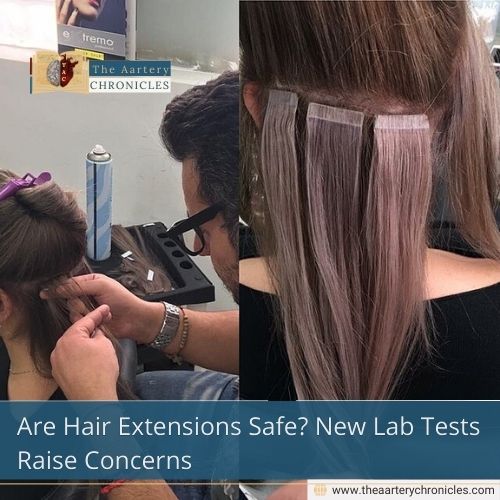
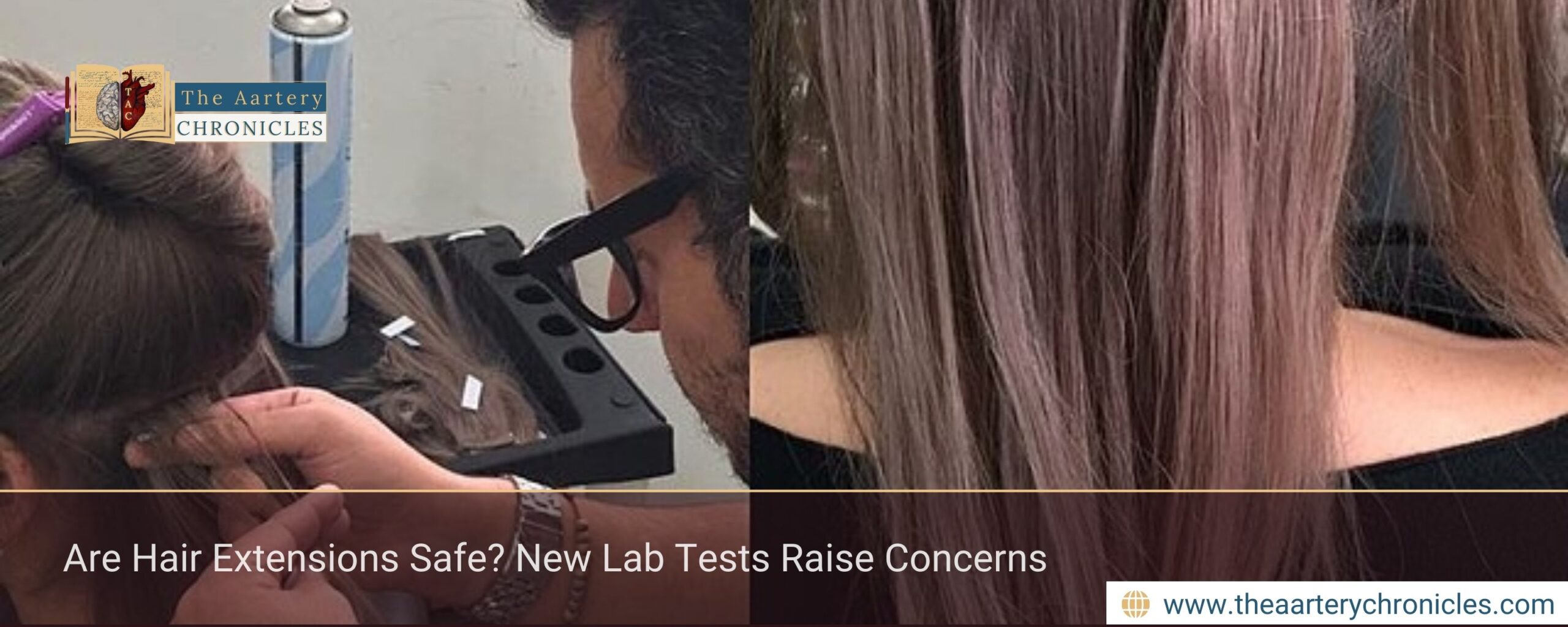
Are Hair Extensions Safe? New Lab Tests Raise Concerns
Hair extensions and toxic chemicals are now part of an important health discussion after new laboratory findings detected potentially harmful substances in some widely sold products. For many Indian women, hair extensions offer instant length and volume. They also help create different styles without waiting months for natural growth. However, doctors now advise consumers to look beyond appearance and consider possible health effects linked to repeated exposure.
What Did Researchers Find in Hair Extensions
Independent laboratory tests on certain commercially available hair extensions found several chemical compounds, especially in synthetic or chemically treated products. These include:
- Phthalates
- Flame retardants
- Organotin compounds
- Volatile organic compounds
Researchers have already linked some of these substances to hormone disruption and cancer risk in other exposure settings. Scientists classify several of them as endocrine disruptors. These chemicals can interfere with normal hormonal balance when exposure continues over time.
At present, no study proves that hair extensions directly cause cancer or infertility. Still, the presence of these compounds has raised concern among dermatologists and public health experts.
Why Long-Term Use Raises More Concern
Women often wear hair extensions for weeks or even months without removal. During this time, the material stays in constant contact with the scalp. In addition, daily washing, brushing, and heat styling may release tiny chemical particles or fumes. The scalp can absorb some substances through the skin. Users may also inhale vapours during styling.
Because of this, cumulative exposure becomes the key issue.
Salon professionals may face even higher exposure. They handle multiple extension procedures daily and may inhale fumes repeatedly in enclosed spaces.
Possible Health Effects Under Discussion
Some of the detected chemicals have shown harmful effects in laboratory and environmental studies. Endocrine-disrupting substances have links to:
- Menstrual irregularities
- Reduced fertility
- Reproductive health problems
- Certain cancers in long-term exposure scenarios
However, doctors clearly state that no direct evidence confirms hair extensions as a cause of these conditions. The concern comes from what scientists already know about these chemicals in other contexts.
What Consumers Should Know
The discussion around hair extensions and toxic chemicals does not mean all products are unsafe. Quality varies widely between brands and materials. Human hair extensions that undergo minimal chemical treatment may carry a lower risk than heavily processed synthetic versions.
Still, consumers should stay aware. People who use extensions frequently or continuously should take extra care.
Doctors recommend the following steps:
- Choose certified products from reputable brands
- Ask salons about ingredient details and avoid formaldehyde-based adhesives
- Ensure good ventilation during application and styling
- Avoid continuous back-to-back use and allow the scalp to rest
- Seek medical advice if you notice persistent itching, scalp irritation, unusual hair loss, or unexplained symptoms
These measures can help reduce potential exposure while still allowing cosmetic use.
A Larger Question About Cosmetic Safety
The debate around hair extensions and toxic chemicals highlights a broader issue in the beauty industry. Many cosmetic products remain in direct contact with the skin for long periods. Yet they do not undergo the same level of safety testing as medicines.
As the beauty market grows rapidly in India, doctors and consumer advocates call for clearer labelling and stronger safety standards. Transparent ingredient disclosure can help consumers make informed decisions.
Young women often follow styling trends seen on social media. However, experts remind them that scalp health matters as much as appearance.
Conclusion
Hair extensions remain popular and widely used. Current evidence does not prove they cause cancer or infertility. However, repeated exposure to certain chemicals found in some products justifies caution.
Doctors advise awareness, moderation, and careful product selection. Cosmetic enhancement should never compromise long-term health. Informed choices remain the most reliable protection for consumers.
Source: Inputs from various media Sources

I’m a pharmacist with a strong background in health sciences. I hold a BSc from Delhi University and a pharmacy degree from PDM University. I write articles and daily health news while interviewing doctors to bring you the latest insights. In my free time, you’ll find me at the gym or lost in a sci-fi novel.
- Priya Bairagi
- Health News and Updates,People Forum
- 18 February 2026
- 11:00