
The Hidden Link Between Stress and the Menstrual Cycle
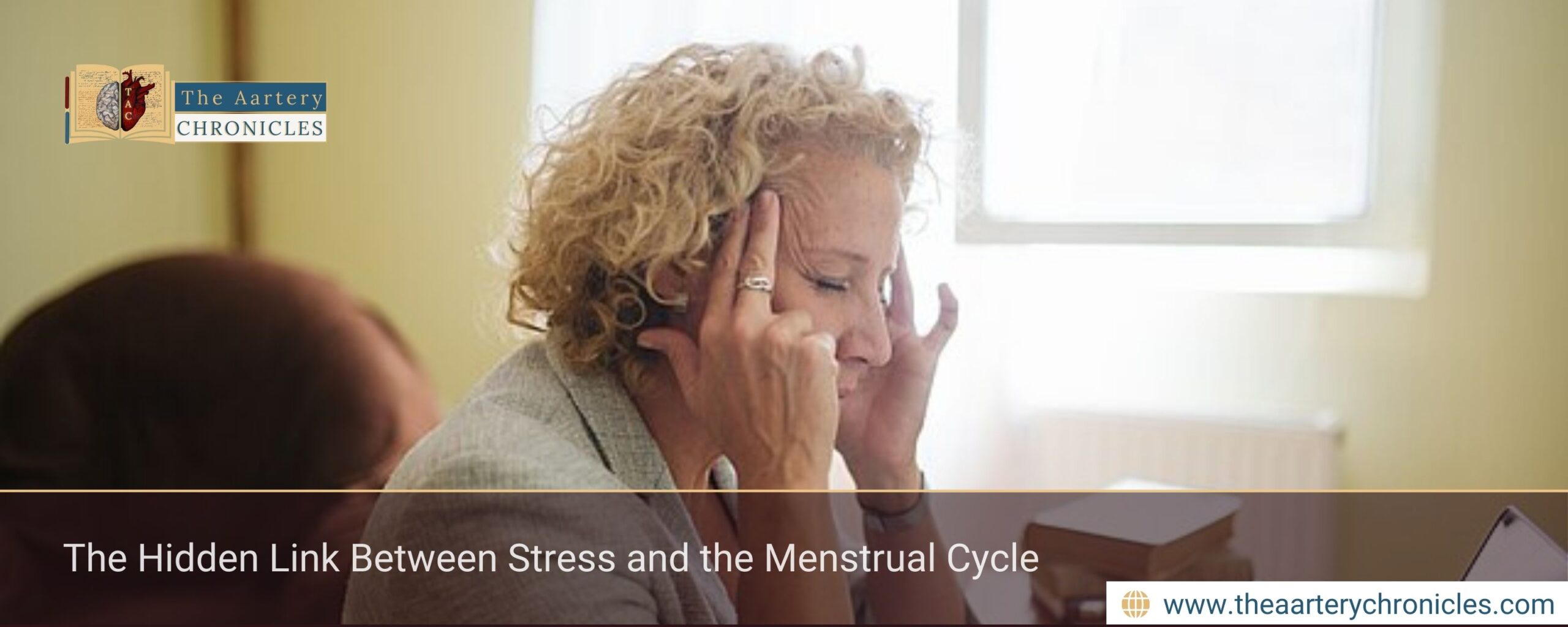
The menstrual cycle is a complex process involving multiple hormones and can be influenced by many variables, including stress. When the body is subjected to prolonged periods of tension or anxiety, significant changes in hormonal function can occur, altering the regularity and characteristics of the menstrual cycle. Understanding the connection between stress and the menstrual cycle is essential for those who want to better manage their reproductive health and improve their overall well-being.
Physiological Effects of Stress on the Menstrual Cycle
- Interaction Between Stress Hormones and Reproductive Hormones: When the body perceives a threat or is under pressure, it produces stress hormones such as cortisol and adrenaline. Increased cortisol, in particular, can alter the balance of other hormones responsible for the menstrual cycle, such as estrogen, progesterone, and luteinizing hormone. This hormonal imbalance can interfere with ovulation and the normal flow of the menstrual cycle. In some cases, chronic stress can even temporarily block ovulation, causing irregular periods or, in extreme cases, amenorrhea (absence of periods).
- Stress-Related Changes in Cycle Length: Stress can affect cycle length, causing it to be earlier or later. For example, situations of strong emotional or physical stress, such as a job change, illness, or a traumatic event, can lead to cycles that are longer or shorter than the normal cycle length, which generally ranges from 28 to 32 days. Recent studies suggest that women exposed to high levels of stress are more likely to experience cycle irregularities than those with a less stressful lifestyle.
- Role of Stress in Premenstrual Symptom Severity: Stress can aggravate premenstrual symptoms (PMS), such as irritability, emotional tension, headaches, and abdominal pain. Cortisol interferes with the release of serotonin, a neurotransmitter that regulates mood. This can make the days leading up to your period more difficult to cope with and increase sensitivity to negative symptoms, making the premenstrual phase seem more intense than usual.
Effects Of Stress During Different Phases Of The Cycle
- Impact of Stress During the Follicular Phase: The follicular phase, which begins on the first day of the cycle, is characterised by the maturation of ovarian follicles, stimulated by follicle-stimulating hormone (FSH). Stress can slow or interrupt this process, altering FSH levels and leading to an irregular cycle. This is especially common among people experiencing prolonged periods of stress.
- Stress-Related Symptom Changes During the Luteal Phase: The luteal phase, which follows ovulation, is when the body prepares for a possible pregnancy, and progesterone levels rise. Stress during this phase can amplify PMS symptoms, causing more frequent mood swings, water retention, and abdominal bloating. Furthermore, high stress can lead to a sudden drop in progesterone, causing an early menstrual cycle.
- Role of Stress in Hypothalamic Amenorrhea: Hypothalamic amenorrhea is a condition in which intense stress disrupts the menstrual cycle. The brain, under intense stress, reduces the production of gonadotropins, hormones that regulate ovulation. People with hypothalamic amenorrhea often notice that their periods return to normal only when they manage to reduce their stress.
Stress Management Strategies for Menstrual Health
- Mind–Body Techniques for Stress Reduction: Incorporating relaxation techniques into your daily routine can help reduce cortisol levels and improve hormonal balance. Meditation, yoga, or deep breathing can effectively reduce tension. Even dedicating 10-15 minutes a day to mindfulness can improve endocrine regulation, positively impacting your menstrual cycle.
- Balanced Diet and Specific Supplements: A diet rich in essential nutrients is essential for maintaining hormonal balance. Including foods rich in vitamin B6, magnesium, and zinc can help regulate stress levels and support reproductive health. Taking natural supplements such as chasteberry (Vitex agnus-castus) has also been associated with reduced PMS symptoms and increased menstrual cycle regularity.
Stress And The Menstrual Cycle
- Role of Physical Activity in Stress Regulation: Exercise is a powerful tool for combating stress. Activities such as jogging, swimming, or even a simple walk help release endorphins, which reduce anxiety and improve mood. However, it’s important to avoid excessive exercise, as excessively intense physical activity can negatively impact the menstrual cycle. Moderate and consistent physical activity is the key to achieving these benefits without risks.
- Sleep Quality and Cortisol Regulation: Good quality sleep is essential for keeping cortisol levels low and regulating the menstrual cycle. Sleeping at least 7-8 hours a night helps the body recover and maintain hormonal balance. Establishing a nightly routine that includes moments of relaxation before bed can promote deeper, more restful sleep.
Conclusion
Stress has a significant impact on reproductive health and can negatively affect the regularity and quality of the menstrual cycle. Recognising signs of stress and taking steps to manage it can help prevent menstrual disorders and improve overall well-being. Reducing stress levels through relaxation techniques, a balanced diet, moderate physical activity, and a regular sleep routine can make a difference. It’s important not to underestimate the impact of stress on hormonal health and, if necessary, consult a professional for appropriate support. Taking care of your mental and physical balance is the key to a more regular cycle and a more peaceful life.

Emmanuel Amana