
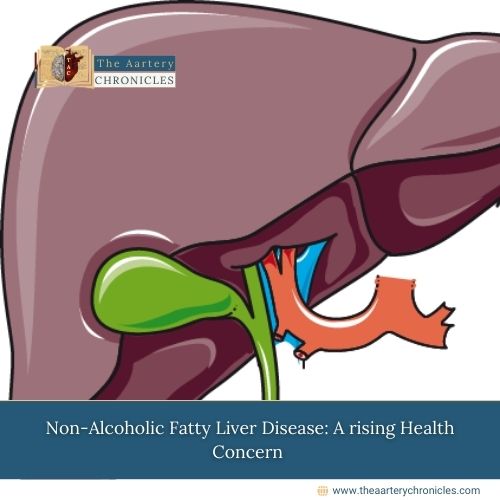
Non-Alcoholic Fatty Liver Disease: A rising Health Concern
The Central Drugs Standard Control Organisation (CDSCO) has released a list of more than 50 drugs that have been classified as “Not of Standard Quality” (NSQ). Among these flagged drugs are popular medications such as paracetamol, calcium and vitamin D3 supplements, anti-diabetes pills, and medicines for high blood pressure.
Paracetamol and Other Common Drugs Fail Quality Tests
Paracetamol tablets manufactured by Karnataka Antibiotics & Pharmaceuticals Ltd are among the drugs that did not meet the required quality standards. The monthly report from the CDSCO highlights that several medications, including essential supplements and treatments, failed to pass quality control tests.
Manufacturing Companies Under Scrutiny
Several well-known pharmaceutical companies such as Hetero Drugs, Alkem Laboratories, Hindustan Antibiotics Limited (HAL), Karnataka Antibiotics & Pharmaceuticals Ltd, Meg Lifesciences, and Pure & Cure Healthcare have been linked to the NSQ drugs. In total, 48 medicines were found to be of substandard quality, with one unexpected item, a Gauze Roll Non-Sterile Roller Bandage, also listed.
Additional Drugs Flagged in Follow-Up List
In addition to the primary list, CDSCO published a secondary list of five more drugs that also failed quality tests. The pharmaceutical companies responsible for these products were allowed to respond, with some denying responsibility.
Spurious Drug Claims
With the latest scientific evidence on NAFLD, India has revised its guidelines to better equip healthcare providers in preventing and managing the disease. The guidelines focus on promoting health and early detection, ensuring that patients receive timely care. They advocate for a multidisciplinary approach, bringing together healthcare providers from different fields to offer comprehensive care to those affected by NAFLD.
Comprehensive Training for Healthcare Providers
The newly developed training module for NAFLD is designed to complement the operational guidelines and strengthen the skills of healthcare professionals, particularly at the primary care level. The module covers a wide range of topics, including
- The causes of NAFLD
- Risk factors
- Screening protocols
- Diagnostic methods
- Standard treatment guidelines
The module also stresses the importance of
- Early detection
- Patient education
- Lifestyle changes
- Integrated care strategies to improve patient outcomes
Conclusion
The updated guidelines and training modules mark a critical step in India’s efforts to address the rising burden of NAFLD. By equipping healthcare providers with the necessary knowledge and tools, the Health Ministry aims to improve early detection, prevention, and management of this emerging public health issue.
Source: Inputs from various media Sources

Priya Bairagi